In many climates, winter is often mistakenly viewed as a hibernation period for home improvement. In reality, the cold season (typically December through February) is the industry’s “off-peak” period, offering strategic advantages for homeowners focused on interior projects. Planning your renovation during the winter can result in faster completion times, potential cost savings, and high-quality results in a climate-controlled environment.
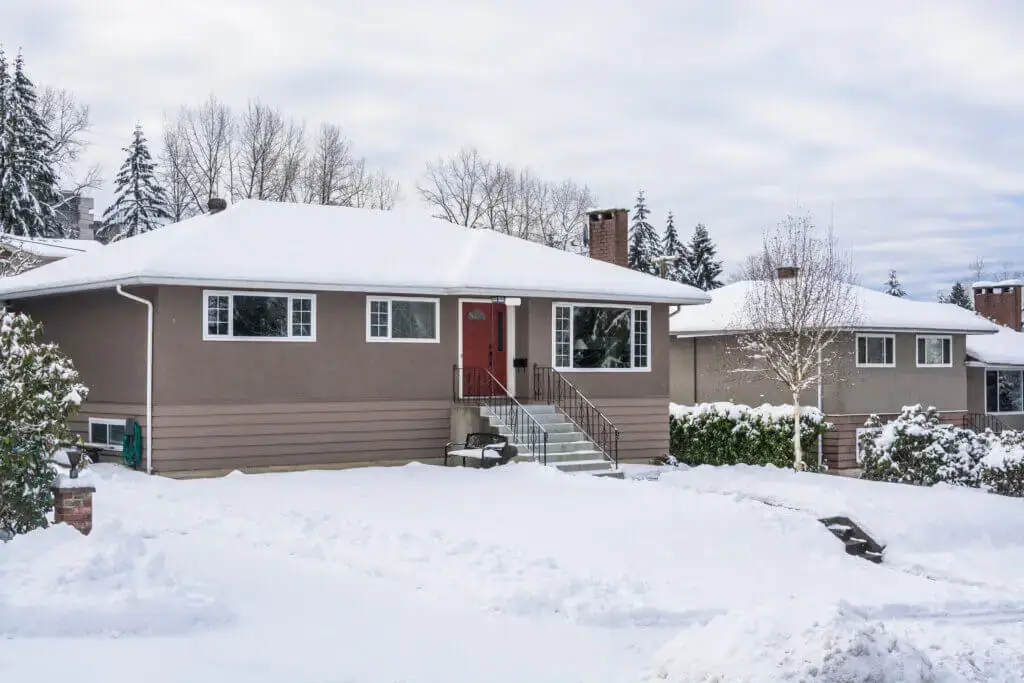
Why Winter Is a Great Time to Renovate
The construction market dynamics shift significantly once the weather cools down, creating favorable conditions for indoor work.
Faster Contractor Availability
The demand for contractors peaks dramatically during the spring and summer months (the “busy season”). By scheduling your project for winter, you bypass the long wait times associated with this rush.
- Priority Scheduling: Contractors are highly motivated to keep their expert crews working during the slower months, meaning you are more likely to secure your preferred start date quickly.
- Greater Focus: With fewer large-scale exterior projects on their books, your crew can often dedicate more concentrated time and energy to your interior job, leading to increased efficiency and focus.
Lower Material Costs and Indoor Focus
While lumber and commodity prices fluctuate globally, the lessened demand for residential construction during winter can sometimes lead to lower labor rates and better deals on interior finishes.
- Labor Negotiation: You may find that contractors offer more competitive quotes or include better amenities to fill their winter pipeline, effectively lowering your overall project cost.
- Climate Control: Interior work like painting, drywall installation, and cabinetry requires stable temperature and humidity. Working indoors in winter means the project site is entirely controlled by your home’s HVAC system, leading to ideal curing conditions for finishes and fewer weather-related delays.
Top Winter Renovation Projects
The best winter projects are those that maximize the efficiency of an indoor crew and do not require extensive foundation work or roof penetration.
Basement Finishing and Insulation Upgrades
Basements are the quintessential winter project because they are entirely protected from the weather and are crucial for improving overall home energy efficiency.
- New Living Spaces: Converting a cold, damp basement into a family room, home office, or gym is perfect for winter, involving all indoor trades: framing, plumbing, electrical, and finishing.
- Insulation Focus: Upgrading basement walls and attic insulation can significantly lower heating bills for the remainder of the winter, providing an immediate return on investment for efficiency-focused homeowners.
Kitchen or Bathroom Remodels
These highly detailed, complex projects thrive in the controlled indoor environment of winter.
- Utility Shutdowns: While temporary water or gas shutdowns may still be necessary, they are typically brief and can be carefully managed without exposure to extreme weather.
- Finish Precision: Installing complex tile patterns, custom cabinetry, and high-end countertops requires stable temperatures to ensure proper adhesion and seamless joints, making the winter’s controlled indoor climate ideal.
Painting, Flooring, and Lighting Improvements
Smaller, cosmetic improvements are easily accomplished in the winter and can dramatically refresh a space.
- Refinishing Hardwoods: Refinishing floors is an excellent winter task. While ventilation is still critical, modern low-VOC and water-based finishes cure perfectly in stable indoor temperatures.
- Lighting Design: Upgrading electrical wiring, installing new recessed lights, or updating light fixtures can be done without opening the exterior of the house, dramatically improving the ambiance during the darker months.
Preparing Your Home for a Winter Remodel
Taking a few proactive steps can ensure your home stays comfortable and safe throughout the winter construction process.
Seal Drafts and Improve HVAC Performance
Working with your contractor to manage heat loss is crucial for your comfort and the quality of the work.
- Isolation: Use heavy plastic sheeting and temporary zippers to seal off the work zone from the rest of the house, minimizing dust and heat transfer.
- Temporary Heating: For large, unheated spaces like a basement, the contractor may use temporary, vented propane heaters to maintain the required minimum temperature for materials (like drywall mud or paint), preventing your home’s main HVAC system from being overloaded.
Plan for Debris Removal During Bad Weather
Logistics during snow and ice events require extra planning to maintain safety and cleanliness.
- Designated Drop Zones: Establish a clear, covered path for workers to enter and exit, and lay down floor protection throughout the access routes to prevent tracking snow or mud.
- Secure Disposal: Ensure the dumpster or waste container is placed on a stable surface and scheduled for removal promptly, as heavy snow can impede access for waste collection services.
Expert Tips for Winter Construction
To ensure a smooth winter project, communicate clearly with your contractor about material needs and safety.
Use Temperature-Stable Materials
In freezing temperatures, certain materials fail to cure correctly, leading to major long-term issues. Your contractor should ensure:
- Proper Storage: All temperature-sensitive materials (adhesives, grout, paint, joint compound) must be stored inside the heated work zone for at least 24 hours prior to use, as cold materials will not bond correctly.
- Winterized Products: The contractor should opt for materials specifically rated for lower temperatures when needed, especially around doorways or utility penetrations leading outside.
Work with Licensed and Insured Contractors
Safety is paramount during winter. Snow, ice, and reduced daylight hours present hazards.
- Safety Protocols: A licensed contractor maintains strict safety protocols for crews working on ladders, roofs (if necessary for ventilation), and in slippery conditions.
- Liability Coverage: Ensure your chosen contractor has current liability and workers’ compensation insurance. If a worker were injured on your property due to winter conditions, their insurance would protect you from liability.
FAQs
Is winter a bad time for home renovation?
No, winter is an excellent time for interior renovations. It’s only a “bad” time if your project involves extensive foundation digging, framing the exterior of an addition, or requires prolonged exposure of the home’s interior to the elements (like a full roof replacement). For projects like kitchen remodels, bathroom upgrades, and basement finishing, winter offers significant logistical and scheduling advantages.
Can exterior work be done in cold weather?
Limited exterior work can be done, but it is highly constrained.
- Avoided Projects: Work requiring water (concrete, stucco, masonry) or adhesive bonding (asphalt shingles, siding sealants) is generally impossible or ill-advised once temperatures consistently drop below 40°F (4.4°C).
- Possible Projects: Small, structural repairs, selective tree removal, and planning/design work (getting permits and finalizing selections) are all perfectly suited for cold weather.
Call to Action for Greater Boston Contractors:
Don’t wait until spring’s rush to start your dream renovation. Winter is the time to secure the best rates and focused attention for your interior projects.
Contact Greater Boston Contractors today to leverage the winter advantage and start planning your stress-free kitchen, bath, or basement transformation.