A sagging roof is more than just a cosmetic blemish on your home’s curb appeal; it is a visible SOS signal from your house’s structure. Identifying the root cause early can be the difference between a targeted repair and a full-scale roof replacement.
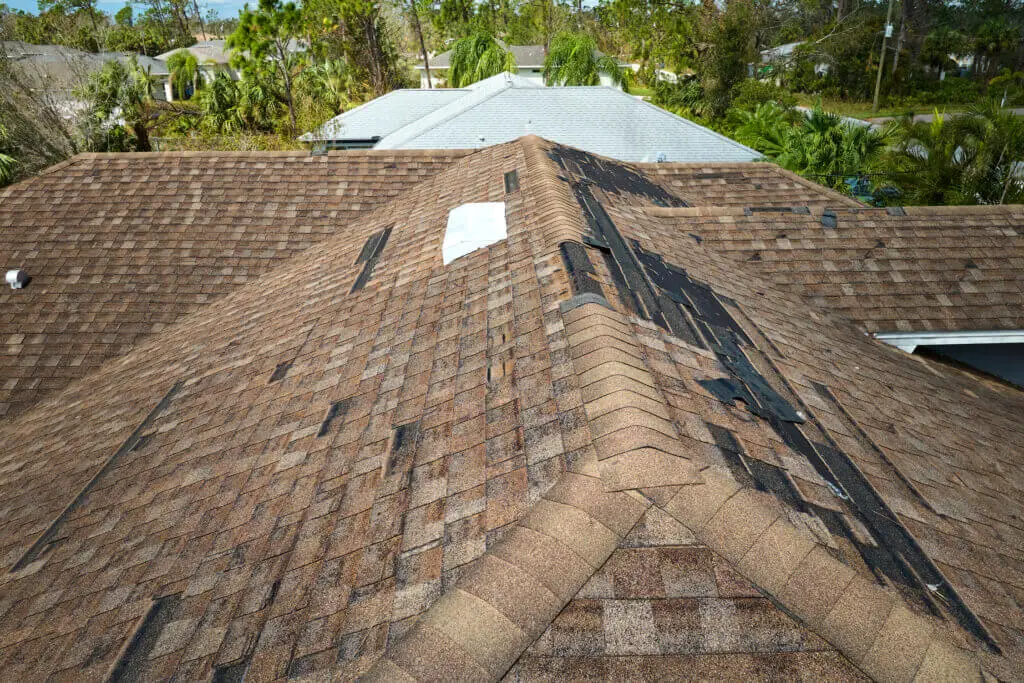
Quick Answer: Structural Stress or Moisture Damage
A sagging roof is almost always caused by a compromise in the structural support system or prolonged exposure to moisture. In the U.S., the most common culprits are undersized rafters, decaying wood due to leaks, or extreme weight loads from winter snow. Regardless of the cause, a dip in the roofline indicates that the materials can no longer support the weight they were designed to carry.
Why roofs sag over time
Roofs are designed to be rigid, but they are under constant pressure from gravity and the elements. Over decades, even a well-built roof can experience “creep”—a slow, permanent deformation of wood under constant stress. However, rapid or noticeable sagging usually indicates an external factor, such as rot or structural failure, has accelerated this natural process.
Common Causes of Roof Sagging
Understanding the “why” behind the sag is essential for determining the correct fix.
Water damage and rot
Moisture is the primary enemy of wood framing. If asphalt shingles are damaged or flashing is improperly installed, water seeps into the roof deck and rafters.
- The Result: Continuous moisture leads to wood rot (fungal decay), which softens the wood fibers. Once the rafters become “spongy,” they lose their load-bearing capacity and begin to bow under the weight of the roofing materials.
Undersized or damaged framing
In some older American homes, or homes built with DIY additions, the rafters or trusses may be “undersized.”
- Span Issues: If the horizontal span is too wide for the thickness of the lumber used (e.g., using 2x4s where 2x8s were required by code), the wood will eventually succumb to gravity.
- Modified Trusses: Sagging often occurs if a homeowner or unqualified contractor cuts into roof trusses to create attic space or install HVAC equipment, compromising the entire structural triangle.
Excess snow or load
For homeowners in the Midwest, Northeast, or mountainous regions, snow load is a major factor.
- Weight Stress: A heavy “wet” snow can add thousands of pounds of pressure to a roof. If the roof is already weakened by age or minor rot, a single heavy winter can cause a permanent sag.
- Material Overload: Sagging can also happen if a new layer of shingles is installed directly over an old one (a “lay-over”). Most residential structures are not designed to hold the weight of two or three layers of asphalt shingles.
Warning Signs You Shouldn’t Ignore
You don’t always need to climb a ladder to know your roof is in trouble.
Interior ceiling dips
If you notice that your interior ceilings look uneven or if cracks are appearing in the drywall where the wall meets the ceiling, the roof structure may be shifting. This is often accompanied by doors or windows in the upper floors that suddenly stick or become difficult to close.
Uneven rooflines
Stand across the street and look at the “ridge” (the very top peak of the roof). It should be a perfectly straight horizontal line. If it looks like a “swayback horse” or dips in the middle, you have a structural issue. Similarly, check the “planes” of the roof for any localized depressions or “waves.”
Is a Sagging Roof Dangerous?
The short answer is: Yes. It represents a failure of the home’s primary shield.
Structural risk assessment
A sagging roof is in a state of progressive failure. While it may not collapse tomorrow, the integrity is compromised. A saggy roof is prone to “ponding” (water collecting in the dip), which leads to even more weight, more rot, and eventually, a breach where water enters the home’s interior, damaging electrical systems and insulation.
Timeline for action
If you notice a sag, you should contact a structural engineer or a licensed roofing contractor within 24 to 48 hours. This is not a “wait and see” home maintenance issue. If there has been a heavy snowstorm or if you hear cracking sounds from the attic, the area should be evacuated until a professional can shore up the structure.
FAQs
Can a sagging roof collapse?
Yes. If left unaddressed, the structural members can reach a “point of no return” where they snap. This is especially true during extreme weather events like high winds or heavy snow loads.
Is sagging covered by insurance?
It depends on the cause. If the sag is due to “wear and tear,” lack of maintenance, or age, homeowners insurance typically will not cover it. However, if the sag is the result of a sudden “peril”—such as a heavy tree limb falling or an unusual snow load—you may have a valid claim.
How quickly should repairs be made?
Immediately. The longer you wait, the more expensive the repair becomes. What starts as a simple “sistering” of rafters (adding new lumber alongside old) can quickly turn into a total roof-off structural reconstruction if the damage spreads.
At Greater Boston Contractors, we specialize in structural restoration and high-performance roofing systems. A sagging roof is a serious concern, but it is fixable with the right expertise. Our team can assess your framing, identify moisture sources, and reinforce your home’s structure to ensure your family stays safe and dry. Don’t wait for a leak to become a collapse—contact us today for a comprehensive structural roof inspection.