A staircase often serves as a focal point in a home, making a significant first impression and influencing the overall style and atmosphere of your living space. Yet, it’s one of the areas most prone to wear, tear, and outdated designs. A thoughtful staircase renovation can dramatically transform the aesthetic of your entire home, breathing new life into tired interiors and significantly boosting property value. Discover how a renovation can elevate your home’s look and learn about popular ideas, real-world transformations, and essential tips for a successful project.
Why stair renovations add value and style
Renovating your staircase is more than just a cosmetic update; it’s an investment that pays dividends in both appeal and equity.
- Enhanced Curb Appeal (Interior): Your staircase is often one of the first things visitors see. A dated or damaged staircase can detract from even the most beautifully decorated rooms. A modern, well-maintained staircase instantly elevates the perception of your home’s interior.
- Modernizes Your Home’s Aesthetic: Styles evolve, and so should your home. Replacing old carpet with sleek wood treads, updating clunky balusters with contemporary designs, or adding glass panels can instantly bring your home’s design into the current decade, moving away from 80s, 90s, or early 2000s trends.
- Increases Property Value: Prospective buyers often look for move-in ready homes with updated features. A renovated staircase signals that the home has been well-maintained and thoughtfully updated, which can significantly increase its market appeal and resale value.
- Improves Safety: Older staircases can have loose treads, wobbly handrails, or balusters that don’t meet current safety codes (e.g., spacing too wide for small children). Renovation provides an opportunity to address these safety concerns, making your home safer for everyone.
- Optimizes Light and Space: Open-concept railing designs, such as those incorporating glass or thin metal balusters, can allow more light to filter through, making spaces feel larger, brighter, and more inviting, especially in entryways or open living areas.
- Personalized Style: A renovation allows you to infuse your personal style into a key architectural element, ensuring it complements your home’s decor and reflects your taste, whether it’s classic, modern, minimalist, or eclectic.
Popular stair renovation ideas (wood, glass, railings)
From classic elegance to contemporary flair, a variety of renovation ideas can transform your staircase.
- Wood Staircases:
- Refinishing: For existing wood stairs, sanding down and applying a fresh stain or paint can revitalize their appearance. This is a cost-effective way to update dark wood to a lighter, more modern tone or add a pop of color to risers.
- New Treads and Risers: If your stairs are currently carpeted or heavily damaged, replacing old components with new wood treads and risers offers a clean, durable, and elegant solution. Hardwood, engineered wood, or even high-quality laminate options are popular choices.
- Two-Tone Designs: Painting risers white and staining treads a contrasting wood tone (e.g., dark walnut or light oak) is a timeless and popular look that defines each step and brightens the overall staircase.
- Glass Panel Railings:
- Modern and Minimalist: Glass panels offer an ultra-modern, minimalist aesthetic. They create an open, airy feel, allowing light to flow unobstructed and enhancing the sense of space.
- Safety and Clean Lines: Frameless or nearly frameless glass railings provide a sleek look while maintaining safety. They are easy to clean and maintain, making them a practical choice for contemporary homes.
- Railings and Baluster Updates: The railing system is a major component of a staircase’s visual impact.
- Wrought Iron Balusters: Replacing old wooden balusters with sleek wrought iron designs (often in black or bronze) can add a touch of sophistication and modern farmhouse charm.
- Cable Railings: For a truly contemporary and industrial look, stainless steel cable railings offer durability and an unobstructed view, perfect for modern homes with expansive views.
- Updated Wood Balusters: Even if keeping wood, opting for new, simpler square or turned baluster designs can make a big difference compared to ornate or builder-grade options.
- Newel Posts: Upgrading the main newel posts (the large posts at the top and bottom of the staircase) can significantly impact the overall style. Think square, clean lines for modern, or elegant turned designs for traditional.
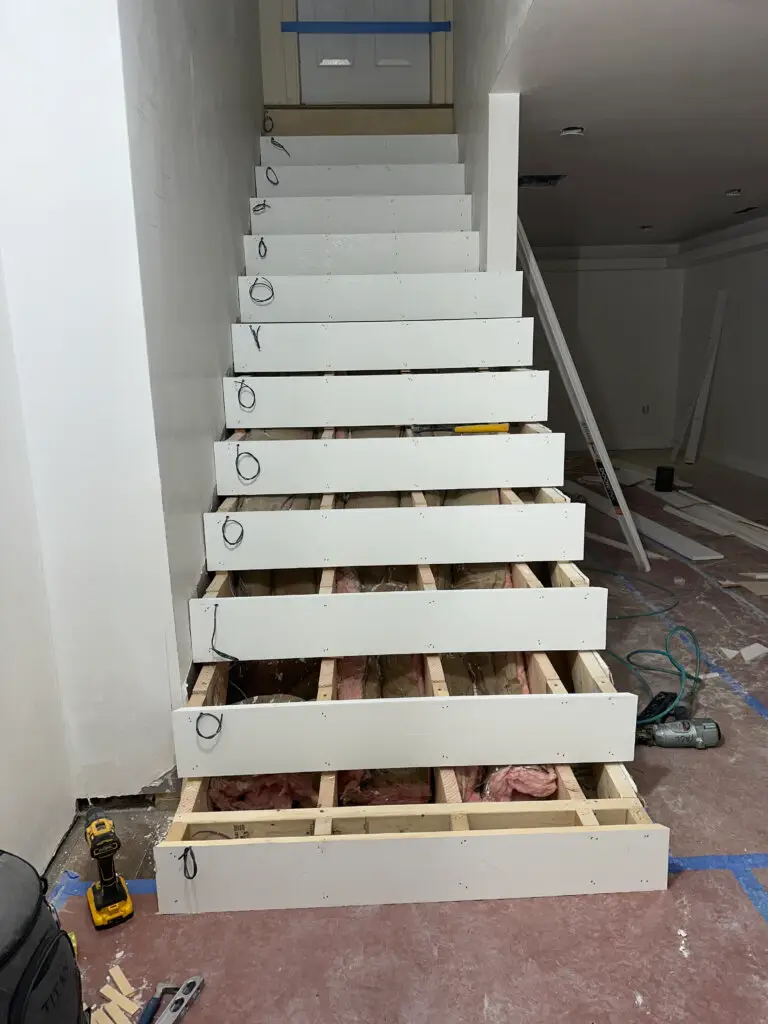
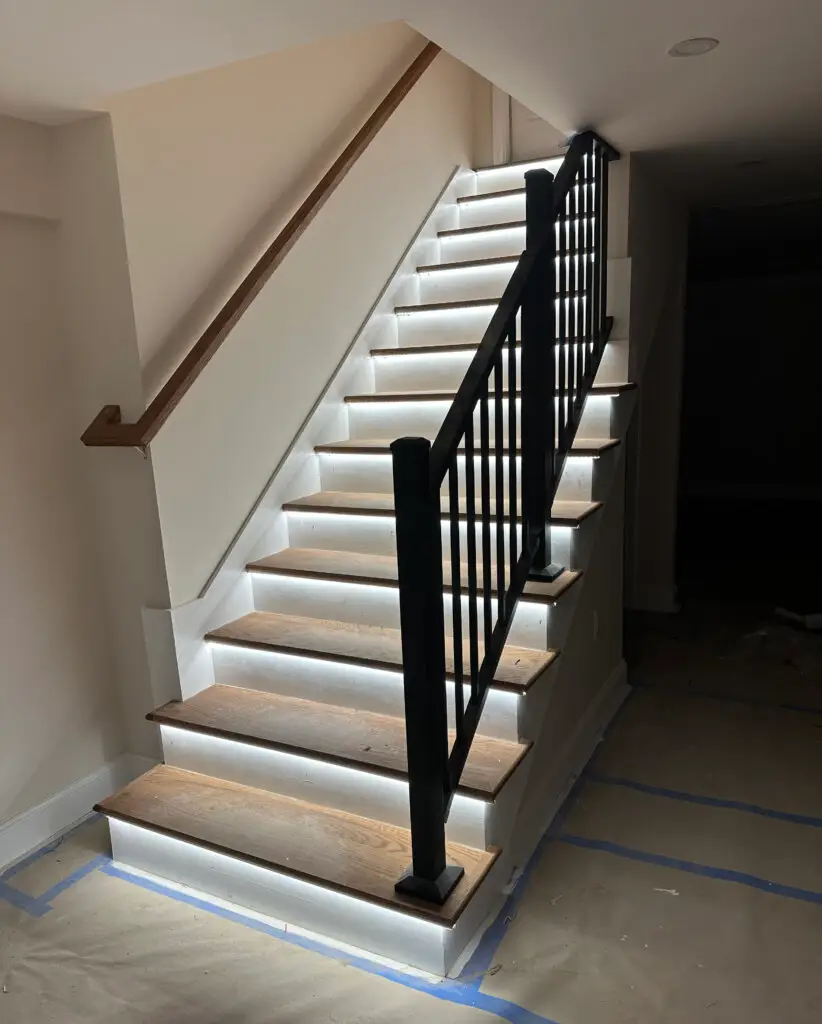
Before and after stair renovation examples
Imagine these transformations in your own home:
- Before: A staircase with worn, stained, light-colored carpet covering both treads and risers. The wooden handrail and balusters are a dated, orange-toned oak, and the entryway feels dark and enclosed.
- After: The carpet has been removed to reveal solid wood underneath. The treads are now a rich, dark espresso stain, while the risers and stringers are painted a crisp, bright white. The old wooden balusters have been replaced with slender, black wrought iron pickets, and the handrail has been refinished to match the dark treads. The entire space now feels brighter, more open, and exudes a modern, elegant farmhouse style.
- Before: A staircase featuring traditional, chunky turned wood balusters and a heavy wooden newel post, all in a uniform medium-brown stain. The steps themselves are worn and scuffed.
- After: The staircase has been completely modernized. The existing wood treads were sanded and stained a cool, natural light oak. The old balusters and newel post were removed and replaced with clear glass panels held by minimalist chrome clamps. The handrail is now a simple, square-profile wood piece in the same light oak. The transformation opens up the entryway, allowing light to flood the space and creating a minimalist, contemporary design statement.
- Before: A carpeted staircase with a standard, builder-grade wooden handrail and closed, painted risers. The space lacks character and feels somewhat utilitarian.
- After: The carpet has been removed, and new solid oak treads were installed, left in their natural finish and sealed. The risers are painted a clean white. The most striking change is the railing system: the traditional balusters have been replaced with sleek, horizontal stainless steel cables, creating an industrial-chic vibe. The newel posts are simple, square wood posts matching the treads, completing a sophisticated and airy transformation.
Costs and timelines for stair remodeling projects
The cost and duration of a staircase renovation can vary significantly based on the scope of work, materials chosen, and whether you opt for DIY or professional services.
Costs:
- DIY Cosmetic Updates (Paint, Sanding, Minor Repairs): This is the most budget-friendly option, potentially costing a few hundred dollars for paint, sandpaper, wood filler, and basic tools if you already own them.
- Moderate DIY (Replacing Balusters, New Tread Caps): Costs can range from $800 to $3,000+ for materials like new balusters (wood, iron), newel posts, and wood tread caps, plus tools.
- Professional Refinishing/Restaining: Expect to pay between $1,500 and $4,000+ for a professional to sand, stain, and seal existing wood stairs.
- Professional Replacement (Carpet to Wood Treads/Risers with New Railing): This is a more significant investment.
- For a standard straight staircase, costs typically range from $4,000 to $15,000, depending on the quality of wood, complexity of the railing system (e.g., basic wood balusters vs. wrought iron vs. glass), and labor rates.
- More complex or grand staircases (e.g., curved, multiple landings, high-end materials like exotic wood or custom glass) can easily push costs to $15,000 to $30,000+.
- Factors Influencing Cost:
- Materials: Hardwoods (oak, maple) are more expensive than pine. Glass or cable railings cost more than standard wood or iron.
- Staircase Type: Straight stairs are less expensive than L-shaped, U-shaped, or curved stairs.
- Scope of Work: Removing old materials, structural repairs, and extensive custom work add to the cost.
- Labor Rates: Varies by region and the expertise of the contractor.
Timelines:
- DIY Cosmetic Updates: 2-5 days (allowing for drying times between coats).
- Moderate DIY: 1-2 weeks, depending on your skill level and availability.
- Professional Refinishing: 3-7 days.
- Professional Full Replacement: 1-3 weeks for a standard staircase, potentially longer for complex designs. This includes demolition, installation, and finishing.
Tips for a successful staircase renovation
Ensure a smooth and satisfying renovation with these key tips.
- Plan Meticulously and Budget Realistically: Before you begin, have a clear vision for your stairs. Collect inspiration photos, choose your materials, and get detailed estimates if hiring professionals. Always allocate an additional 10-20% for unexpected costs.
- Assess DIY vs. Pro: Be honest about your skills, time, and comfort level. While painting risers is a common DIY, replacing structural components or installing complex railing systems is best left to experienced professionals.
- Prioritize Safety: Staircase renovation can be hazardous. Ensure the staircase is blocked off during work. Use stable ladders, wear safety glasses, gloves, and dust masks, especially during sanding or demolition.
- Choose Durable Materials: Stairs endure heavy foot traffic. Invest in high-quality, durable finishes like floor-grade paint, tough polyurethane, or hard-wearing wood species that can withstand daily use for years to come.
- Consider Lighting: Good lighting not only highlights your newly renovated stairs but also improves safety. Think about recessed lighting, wall sconces, or even LED strip lighting under treads.
- Maintain Flow and Style: Ensure your renovated staircase complements the architectural style and existing decor of your home. It should feel like a natural extension of your living space, not an isolated feature.
- Don’t Rush the Drying Process: Patience is key, especially with paint and stain. Rushing to apply the next coat or using the stairs before they are fully cured can lead to damage and require rework.
- Get Multiple Quotes: If hiring a professional, obtain at least three detailed quotes from reputable contractors. Compare not just prices, but also what’s included in each bid and check references.
- Look for Local Building Codes: Before making any structural changes, consult your local building department to ensure your plans comply with current codes, especially concerning handrail height and baluster spacing.
A staircase renovation is a powerful way to enhance your home’s beauty, functionality, and value. Whether you tackle a DIY refresh or opt for a full professional overhaul, the “before and after” transformation can be truly astonishing, leaving you with a staircase that is both a statement piece and a safe, integral part of your living space.
Ready to transform your home with a stunning staircase renovation? Contact us today for a personalized consultation and a free estimate to bring your vision to life!