Clapboard siding is one of the most recognizable and enduring architectural features of homes throughout the United States, particularly in New England. Known for its traditional aesthetic and historical resilience against harsh weather, clapboard remains a top choice for durability and classic curb appeal.
At Greater Boston Contractors, we specialize in high-quality exterior renovations, helping homeowners select the perfect siding material that balances beauty, budget, and long-term performance.
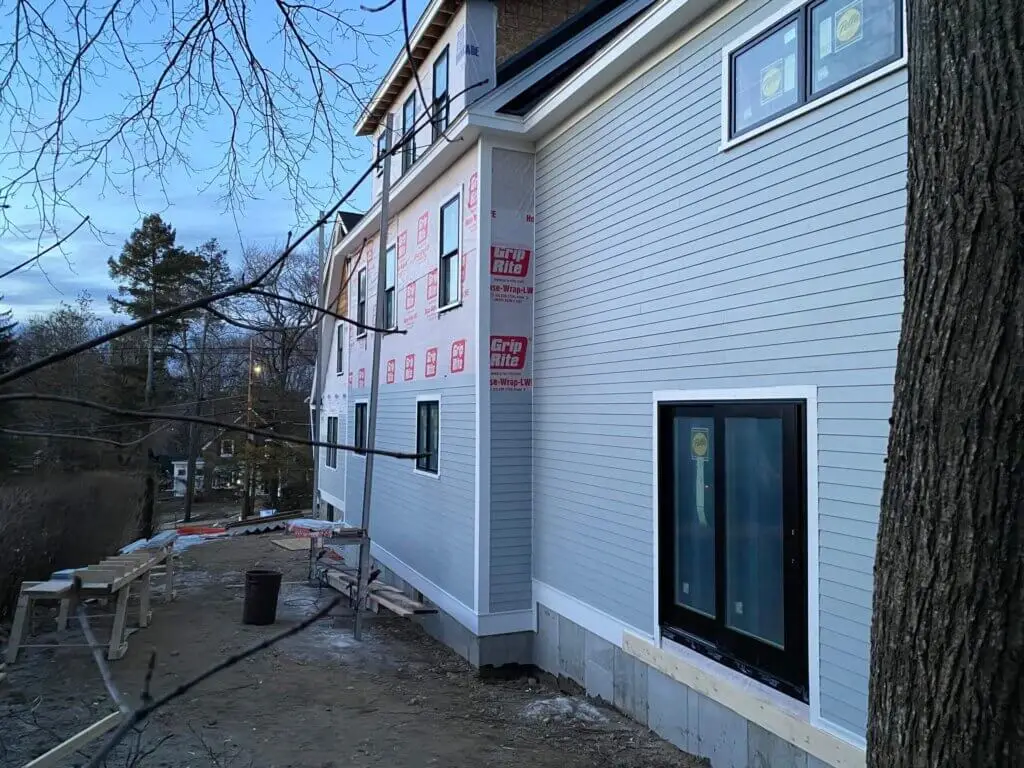
What Is Clapboard Siding?
Clapboard (also known as bevel siding or weatherboard) is a specific type of horizontal siding defined by its installation method and distinct profile.
How it Differs from Other Siding Types
Unlike flat-panel sheet sidings (like T1-11) or vertical boards and batten, clapboard consists of individual, long boards that are tapered in thickness. The thick edge rests flat against the wall sheathing, while the thin edge overlaps the thick edge of the board below it. This creates a signature wedge shape and shadow line.
Traditional New England Style
This style is ubiquitous in the Northeast because it was historically the most effective way to shed rain and snow. The overlapping design ensures that moisture runs down the face of the siding and over the exposed edge, preventing water penetration.
Horizontal Overlapping Boards
The overlap is the defining functional feature. Each board is fastened to the wall, leaving the bottom edge exposed, creating a series of horizontal lines that define the home’s aesthetic.
Types of Clapboard Siding
While the profile remains the same, clapboard is now available in several high-performance materials.
Natural Wood (Cedar, Pine)
- Cedar: The premium choice. It is naturally resistant to moisture, decay, and insects, making it highly durable in coastal and humid climates. It requires consistent painting or staining.
- Pine: More affordable than cedar but requires rigorous priming and painting to prevent rot and warping.
Engineered Wood
These products use wood fibers mixed with binding agents to create durable, moisture-resistant boards. They are heavier and stronger than natural wood and often come pre-primed or pre-finished, offering high impact resistance and stability.
Fiber Cement Clapboard
Fiber cement (like James Hardie) is one of the most popular choices for longevity. Made from cement, sand, and cellulose fibers, it is fire-resistant, impervious to insects, and highly durable. It holds paint exceptionally well but is heavy and requires specialized installation.
Vinyl Clapboard Options
The most budget-friendly option. Vinyl is lightweight, requires almost no maintenance, and offers good moisture resistance. However, it can crack in extreme cold and its color may fade over time. Vinyl also does not provide the same rich shadow lines as thicker, natural wood or fiber cement boards.
Benefits of Clapboard Siding
Clapboard offers a blend of timeless aesthetics and modern performance.
Classic Curb Appeal
The horizontal lines create a sense of stability and history, instantly boosting the architectural value of the home and matching the traditional look of neighborhoods across the region.
Durable in Harsh Climates
The overlapping structure is inherently designed for weather resistance. It allows for natural expansion and contraction of the boards while continuously directing moisture away from the sheathing and wall cavity.
Versatile Design Options
Clapboard can be painted any color to suit the design trend of the moment, or it can be stained to highlight the natural grain of cedar. Furthermore, the exposure (the amount of board face left visible) can be adjusted during installation for a custom look (e.g., 4-inch exposure for a historic look, 7-inch for a contemporary look).
Clapboard Siding Installation & Maintenance
Proper installation is non-negotiable for weather resistance and longevity.
Professional Installation Steps
- Preparation: Ensuring the wall sheathing is properly sealed with a weather-resistant barrier (WRB).
- Starter Strip: A strip is nailed at the bottom to kick out the first course of clapboard at the correct angle.
- Lapping: Each subsequent board is carefully overlapped to cover the top of the board beneath it, ensuring a consistent reveal (exposure) and proper slope for water runoff.
- Flashing: Meticulous flashing is required around windows, doors, and corners to prevent water intrusion at vulnerable points.
Painting and Staining Schedules
- Natural Wood: Requires painting or staining every 5–10 years, depending on the exposure and quality of the coating.
- Fiber Cement: Holds factory-applied paint for 15+ years before needing a repaint.
- Engineered Wood: Typically needs painting every 10–15 years.
Preventing Moisture and Rot
Regular maintenance is key. Check all horizontal joints and window/door trim for failing caulk annually. Ensure landscaping is kept away from the siding to allow airflow and prevent prolonged moisture contact at the base.
Clapboard Siding Cost
Costs vary significantly based on material selection and the complexity of the installation (e.g., height, existing structural condition).
Cost Per Square Foot by Material (Installed)
| Material Type | Estimated Cost Per Square Foot | Notes |
| Vinyl | $3.50 – $7.00 | Most budget-friendly. |
| Engineered Wood | $6.00 – $9.50 | Good durability and pre-finished options. |
| Fiber Cement | $8.00 – $13.00 | Highest durability, low maintenance. |
| Natural Cedar | $10.00 – $16.00 | Premium material, high-end look. |
Labor Cost Considerations
Labor costs are elevated for fiber cement and natural wood due to the weight of the material and the precise cutting and handling required. Vinyl is the fastest and least expensive to install.
Boston-Area Price Ranges
Given the high demand for durable, weather-resistant siding and high local labor costs, expect your siding quotes in the Greater Boston area to land on the higher end of these ranges.
FAQs
“Is clapboard siding waterproof?”
Clapboard siding is highly water-resistant due to its overlapping structure, which directs water down and away from the home. However, no siding is entirely “waterproof” on its own; it requires a proper weather-resistant barrier (WRB) underneath to ensure that any wind-driven rain that gets past the boards does not penetrate the wall structure.
“How long does wood clapboard last?”
High-quality, well-maintained wood clapboard (especially cedar) can last 50 to 100 years or more. Longevity depends entirely on the quality of the paint/stain finish and whether it is regularly recoated to prevent moisture from saturating the wood fibers.
“Is fiber cement better than wood?”
“Better” depends on your priority. Fiber cement is superior in maintenance and fire resistance (it requires minimal upkeep and won’t burn). Natural wood is superior in insulation value and traditional aesthetic appeal (it looks more organic). Both are excellent, long-lasting options when properly installed.
Ready to revitalize your home’s exterior with classic clapboard siding?
Contact Greater Boston Contractors today for a durable, weather-resistant siding installation and detailed material consultation.