Old wood window frames add character to a home, but they can also be susceptible to damage from moisture and age. While a severely rotted frame may need to be replaced, many can be repaired with the right tools and techniques. This guide will walk you through the process, helping you decide if it’s a job for you or a professional.
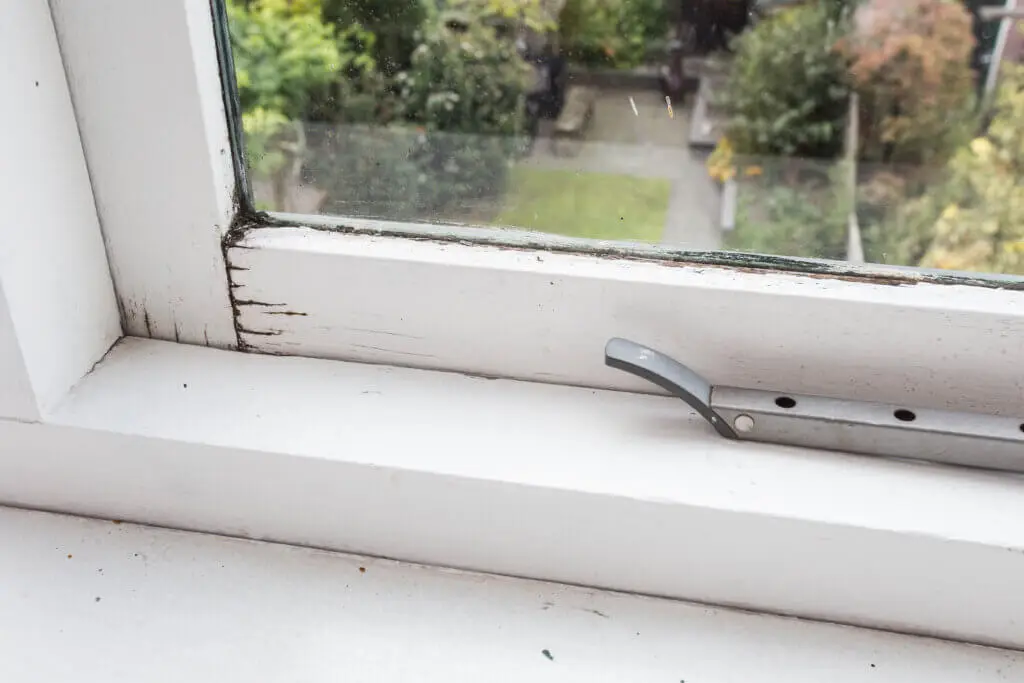
Signs of Damage in Wood Frames
Knowing what to look for is the first step in any repair. Here are the most common signs that your wood window frame needs attention:
Rot, Cracks, and Peeling Paint
- Soft or Spongy Wood: Use a screwdriver to gently probe the wood. If it gives easily or feels soft, it’s likely suffering from rot.
- Cracks and Gaps: Look for cracks in the wood, especially at joints where water can seep in.
- Peeling or Bubbling Paint: This often indicates moisture trapped beneath the surface, which is a precursor to rot.
Drafts and Sticking Windows
If your windows are hard to open or close, or you feel a noticeable draft around the frame, it’s a sign that the wood has swollen, warped, or that the seals have failed.
Tools & Materials You’ll Need
For a successful repair, you’ll need a few key items. Many of these can be found at any local hardware store.
Wood Filler, Epoxy Consolidant
- Epoxy Consolidant: For serious rot, a liquid epoxy consolidant soaks into the soft wood and hardens, restoring its structural integrity.
- Wood Filler: For small cracks and holes, a quality exterior-grade wood filler is perfect for patching. For larger repairs, a two-part epoxy filler is best as it is incredibly durable.
Sandpaper, Clamps, Primer
- Sandpaper: You’ll need various grits (from coarse to fine) to smooth out the repair.
- Clamps: To hold new pieces of wood in place or to apply pressure while a filler cures.
- Primer and Paint: An exterior-grade primer is essential to protect the repair and ensure a lasting finish.
Step-by-Step Repair Process
Removing Damaged Wood
- Use a chisel or a utility knife to carefully remove all of the rotted or damaged wood.
- Make sure you get every bit of the soft material. If you leave any rot behind, it will continue to spread.
- For larger sections of rot, you may need to cut out the entire section and patch it with a new piece of treated wood, secured with waterproof wood glue and screws.
Applying Filler and Sanding Smooth
- If using an epoxy consolidant, follow the manufacturer’s instructions for application and curing.
- For an epoxy filler, mix the two parts and apply the putty firmly into the void you created. You’ll have a limited amount of “pot life” before it hardens, so work quickly.
- Once the filler is cured and hard, use sandpaper to sand it smooth and flush with the surrounding frame.
Painting and Sealing
- Clean the frame and apply a high-quality, exterior-grade primer to all repaired areas.
- Once the primer is dry, paint the frame with at least two coats of exterior paint.
- Finally, apply fresh caulk or sealant around the window’s perimeter to prevent future moisture intrusion.
When to Repair vs. Replace
The decision to repair or replace is often based on the extent of the damage and cost.
Minor vs. Severe Rot
If the rot is confined to a small area, like a corner of the sill or a small section of the jamb, a repair is a cost-effective solution. However, if more than 30% of the frame is rotted, or the rot is structural and has compromised the integrity of the window, a full replacement is the smarter, more permanent solution.
Cost Comparison for Replacements
While a simple repair might cost a couple hundred dollars, a full window replacement can range from hundreds to thousands of dollars depending on the size and type of window. It’s often worth it to get a professional to provide a quote for both options so you can make an informed decision.
FAQs
Can historic windows be saved?
Yes, in many cases, historic windows can and should be saved. Preservationists often prefer repairing original materials to maintain a building’s historical integrity.
How long do repairs last?
A proper repair using epoxy and exterior-grade paints can last for many years, often as long as the rest of the window. The key is to address the underlying moisture problem that caused the rot in the first place.
Whether you’re looking for a professional repair or a complete replacement, the team at Greater Boston Contractors can help. Contact us for a free, no-obligation consultation to find the best solution for your windows.