A roof leak is one of the most frustrating problems a homeowner can face. The good news is that many leaks are preventable, and even a minor leak can often be fixed with a few simple steps. Here’s a guide to help you identify, address, and repair a roof leak.
Signs You May Have a Leak
Sometimes a leak is obvious—water dripping from the ceiling during a rainstorm. Other times, the signs are more subtle.
Water Stains on Ceilings
The most common sign of a leak is a water stain or discoloration on your ceiling or walls. These stains often appear as a yellowish or brownish patch and can grow larger over time. The stain may not be directly below the leak, as water can travel along rafters and sheathing before dripping down.
Damp Insulation in Attic
Before the water makes it to your ceiling, it will likely be absorbed by the insulation in your attic. If you have access to your attic, check for damp or compressed insulation, particularly after a heavy rain or snowmelt. This is a clear indicator that water is penetrating the roof deck above.
Common Leak Sources
Finding the source of a leak is often the hardest part of the repair. The culprit is rarely directly above the stain.
Shingle Damage
The most frequent cause of leaks is damaged, missing, or worn-out shingles. Look for cracked, curled, or warped shingles. Strong winds can lift and tear off shingles, while hail can create small, invisible cracks. A single missing shingle can allow enough water to cause significant interior damage.
Flashing and Vents
Flashing, the thin metal strips around chimneys, vents, and skylights, is designed to create a watertight seal. Over time, this flashing can rust, crack, or become dislodged. The seals around roof vents and pipes can also deteriorate, creating an easy pathway for water to enter your home.
Skylights and Chimneys
Leaks around skylights and chimneys are very common. The seals around the skylight frame or the flashing around the base of the chimney can fail. Cracks in the chimney’s masonry or mortar can also allow water to seep through.
Step-by-Step Repair Methods
Once you’ve located the source of the leak, you can attempt a temporary fix. Important: Safety is paramount. Always use a stable ladder and work with a partner.
Temporary Patching
For a quick, temporary fix on a small hole or crack, use roof cement or roofing tar. Apply a generous amount with a trowel over the damaged area. This will stop the leak immediately until a more permanent repair can be made.
Shingle Replacement
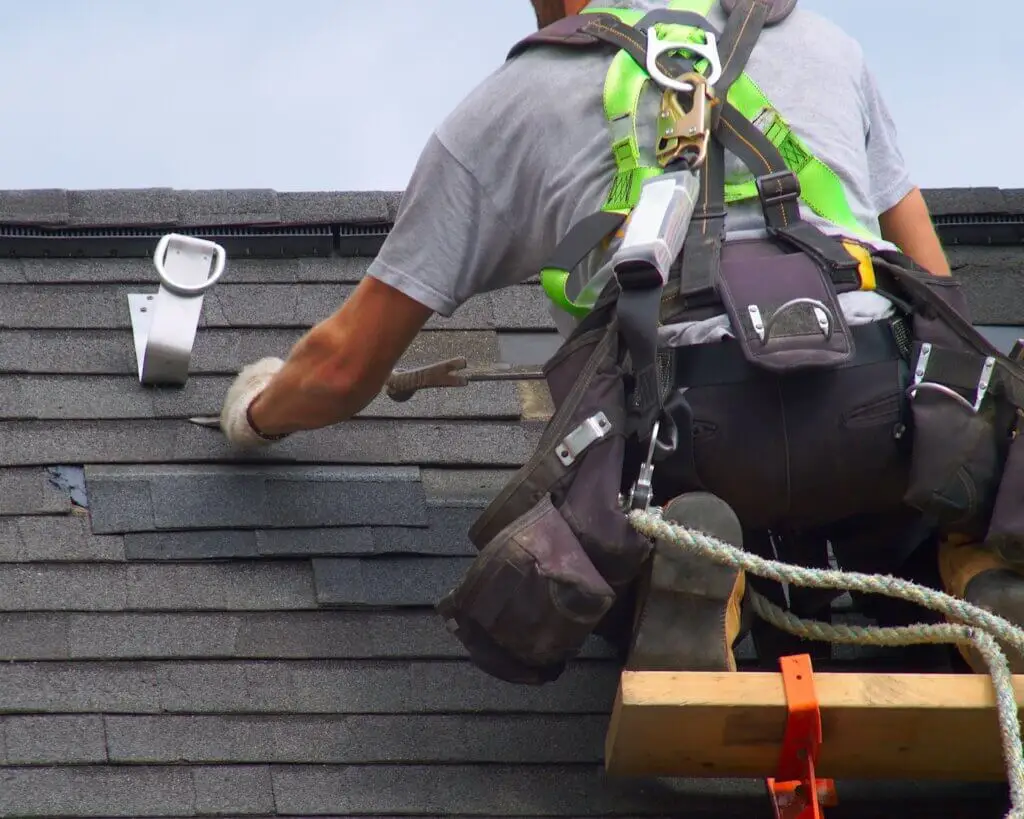
If a single shingle is damaged, you can replace it. Gently pry up the shingles above the damaged one and remove the nails. Slide the new shingle into place, making sure it’s aligned with the others. Use roofing nails to secure it and a small dab of roof cement to hold it firmly in place.
Sealing Flashing
If the leak is around flashing, use a high-quality sealant or roof cement to fill any cracks or gaps. If the flashing is severely damaged, it will need to be replaced by a professional.
When to Call a Professional Roofer
While DIY repairs can stop a minor leak, there are times when it’s best to call in an expert.
Recurring Leaks
If a leak returns in the same spot, it’s a sign that the root cause hasn’t been addressed. A professional roofer can perform a comprehensive inspection to identify and fix the underlying issue.
Widespread Roof Damage
If your shingles are old and brittle, or if you have multiple leaks, it may be a sign that your roof has reached the end of its life. In this case, a full roof replacement is the most cost-effective and long-term solution.
FAQs
How much does a small repair cost?
The cost of a small roof repair can vary widely depending on the extent of the damage and your location. However, a small repair is a fraction of the cost of a full roof replacement.
Can roof leaks be fixed in winter?
Yes. Professional roofers are equipped to handle cold-weather repairs. They use specialized tools and materials to ensure a safe and effective repair, even in freezing temperatures.
Suspect a leak? Don’t wait for a small problem to become a major headache. Contact Greater Boston Contractors today for a professional roof inspection and a free, no-obligation estimate on your repair.