Insulating your garage is one of the most effective ways to improve your home’s energy efficiency, comfort, and functionality. Whether you plan to use it as a workshop, a home gym, or simply want to protect your vehicles and belongings from extreme temperatures, a properly insulated garage can make a world of difference.
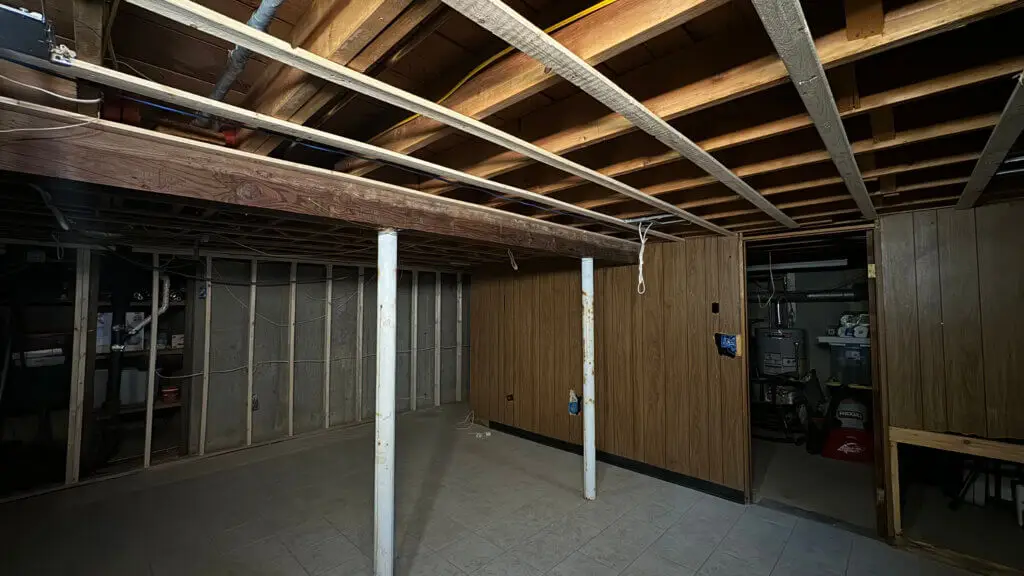
Assess the Envelope First
Before you start adding insulation, you need to seal the garage’s “envelope” to prevent air leaks and moisture issues. Skipping this step will severely limit the effectiveness of your insulation.
Air Sealing Gaps and Penetrations
Look for any gaps or cracks in the walls, around windows, or where the foundation meets the frame. Use an expandable foam sealant to fill larger gaps and a high-quality caulk for smaller cracks. Don’t forget to seal around any pipes, wiring, or vents that pass through the walls or ceiling. A properly sealed garage prevents conditioned air from escaping and unconditioned air from entering.
Moisture and Vapor Control
Moisture is the enemy of insulation. Any water vapor trapped behind walls can lead to mold, mildew, and rot. Before you insulate, ensure your garage walls are dry. This is especially important for garages attached to the home, where moisture issues can affect the rest of your house.
Wall & Ceiling Insulation Methods
The choice of insulation material for your walls and ceiling depends on your budget, the age of your garage, and your performance goals.
Fiberglass Batts vs. Blown-in
Fiberglass batts are the most common and cost-effective option for insulating garage walls and ceilings. They are pre-cut to fit standard stud and joist spacing and are easy for a professional to install. They offer a good balance of cost and performance. Blown-in fiberglass or cellulose is a great option for hard-to-reach areas or for garages with complex framing. It fills every nook and cranny to create a continuous thermal barrier.
Rigid Foam and Continuous Insulation
For superior thermal performance, rigid foam boards (XPS or EPS) can be used. They are excellent for creating a continuous layer of insulation, especially on the exterior of the walls or ceiling. While more expensive than fiberglass, they provide a higher R-value per inch and are less susceptible to moisture.
Vapor Retarders and Drywall
Once the insulation is in place, you must cover it with a vapor retarder (a plastic sheeting) to prevent moisture from reaching the insulation. This step is critical in colder climates to prevent condensation. Finally, finish the walls and ceiling with drywall. This not only protects the insulation but also provides a finished, fire-resistant surface.
Doors, Windows & Floor
The garage door, windows, and floor slab are all major sources of heat loss that must be addressed.
Insulated Doors and Weatherstrips
An uninsulated garage door can be a thermal weak point. Insulating your existing door with a kit or, for better performance, replacing it with a new, pre-insulated door is essential. Make sure the bottom seal and weatherstripping around the perimeter of the door are in good condition to prevent drafts.
Window Upgrades
If your garage has old, single-pane windows, consider replacing them with new, energy-efficient, double-pane windows. This can make a significant difference in both temperature control and noise reduction.
Foam Underlayment Over Slab
The concrete slab of your garage floor can be a major source of cold in the winter. While you can’t easily insulate underneath an existing slab, you can lay a subfloor with a foam underlayment over it. This provides a thermal break and a more comfortable surface.
Ventilation & Conditioning
After insulating and sealing the garage, you’ll need a plan for ventilation and climate control.
Dehumidifiers and Exhaust
Proper ventilation is key to preventing moisture buildup. A simple exhaust fan can help remove stale air and humidity, especially if you plan to use the garage for activities that generate moisture, like working out. A dehumidifier can be an excellent way to maintain a consistent humidity level.
Mini-split Heating/Cooling
For a year-round, comfortable space, a ductless mini-split system is the ideal solution. It provides both efficient heating in the winter and cooling in the summer without the need for extensive ductwork.
FAQs
Do I need a permit in MA?
In many parts of the US, including Massachusetts, adding insulation to an existing garage typically does not require a permit. However, if you are making structural changes, adding electrical work, or converting it into a living space, a permit will almost certainly be required. It’s always best to check with your local building department to be sure.
What R-values should I target?
For most US climates, a good target is at least R-13 for walls and R-30 for the ceiling. However, in colder climates, you may want to aim for R-21 in the walls and R-38 in the ceiling to maximize efficiency.
Ready to make your garage more comfortable and energy-efficient? Greater Boston Contractors provides expert garage insulation and weatherization services to help you get the most out of your space.
Contact us today for a free consultation and a detailed estimate.