One of the most common questions homeowners ask is, “How long will I be without a working bathroom?” The answer depends heavily on the complexity of your remodel, but understanding the typical phases of construction can help you plan your life around the project.
At Greater Boston Contractors, we prioritize clear communication and efficient scheduling to minimize disruption. Here is a realistic timeline for different types of bathroom remodels.
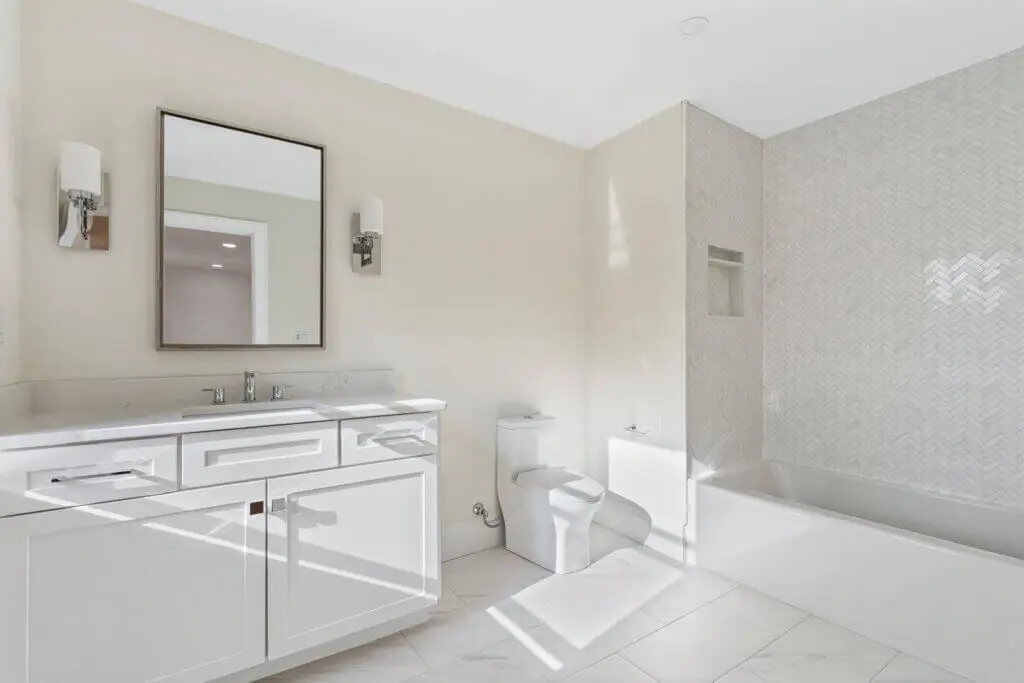
Average Bathroom Remodel Timeline
The duration of your project is determined by the amount of demolition and structural change involved.
Basic Cosmetic Remodel: 1–2 Weeks
This involves surface-level updates only: new paint, new vanity, new toilet, updated lighting, and new fixtures. The existing shower/tub and flooring remain, and no plumbing is moved. This is the fastest type of project.
Mid-Range Remodel: 3–5 Weeks
This includes everything in a cosmetic remodel, plus tearing out and replacing the tub/shower surround (often with new tile) and potentially replacing the flooring. This scope requires plumbing work, waterproofing, and tile curing time.
Full Gut Remodel: 6–8+ Weeks
This is a complete tear-out down to the studs and subfloor. It involves moving plumbing and electrical lines, installing new ventilation, reconfiguring the layout, and extensive custom tile work (floor and shower). This timeline accounts for necessary inspections and material delivery lead times.
What Influences the Timeline?
Several external and internal factors can slow down or speed up the remodeling process.
Custom vs. Prefabricated Materials
Choosing custom materials (e.g., custom-built vanities, specialty glass shower enclosures, imported tile) automatically adds several weeks to the timeline due to manufacturing and shipping lead times. Prefabricated tubs, vanities, and stock tiles can be delivered and installed quickly.
Plumbing or Electrical Changes
Any time a fixture is moved from its original location (e.g., moving the toilet or shifting the sink), a plumber must update the rough-in and wait for subsequent steps (like subfloor repair) before finishing the installation. These sequential steps add days to the schedule.
Permit Requirements
In the Boston area, if your project involves moving plumbing, moving walls, or making structural changes, a permit is required. The time taken for permit approval and subsequent inspections throughout the process must be factored in. Work must stop pending inspector approval at several critical junctures.
Structural Repairs
If demolition reveals unforeseen issues—such as rotted subfloor, water-damaged joists, or mold—these structural repairs must be completed before the new work can begin, causing unexpected delays.
Step-by-Step Remodel Process
While every job is different, most professional remodels follow this general sequence:
Design & Planning (1–2 Weeks)
This phase occurs before physical construction starts. It involves finalizing the design, selecting all materials (tile, fixtures, vanity), and obtaining permits. Getting all materials on site or in stock before demo is critical.
Demolition (1–3 Days)
Tearing out the old fixtures, tile, drywall, and exposing the plumbing and framing.
Plumbing & Electrical Rough-In (2–5 Days)
Plumbers and electricians install new lines, ventilation, and wiring based on the new layout. This is followed by a rough-in inspection (if required).
Tile, Drywall & Flooring (1–2 Weeks)
This is a multi-stage process:
- Drywall installation and mudding.
- Waterproofing the shower area.
- Tile installation (floor and shower walls).
- Grout application and curing time.
Fixtures, Paint & Finishing Touches (3–7 Days)
Final installation of the vanity, toilet, faucets, shower fixtures, glass enclosure, mirror, and painting the walls. The contractor ensures all systems are working perfectly and the site is clean.
How to Speed Up the Remodel
If time is your primary concern, here are the most effective ways to accelerate the timeline:
Pre-Order Materials
Order your major materials (vanity, tub, toilet, tile) as soon as the design is finalized. Waiting for materials is the number one cause of remodeling delays.
Maintain Original Layout
Do not move the toilet or the sink. Keeping the original plumbing rough-in locations avoids complicated plumbing work, inspections, and time spent opening and repairing walls and floors.
Hire a Full-Service Contractor
A full-service contractor manages the entire team (plumbers, electricians, tile setters) under one roof, ensuring coordinated scheduling and eliminating delays that occur when coordinating independent subcontractors.
FAQs
“Can you use the bathroom during remodel?”
No, generally not. In a mid-range or full gut remodel, the toilet, sink, and shower will be removed and the water shut off for extended periods during the demolition, plumbing, and tiling phases. Always plan to use a different bathroom for the duration of the project.
“What delays are most common?”
The most common delays are:
- Material Delays: Backordered or damaged fixtures/tile.
- Inspection Delays: Waiting for the municipal inspector to approve rough-in work.
- Unforeseen Repairs: Discovering mold, rot, or termite damage after demolition.
“Does a small bathroom remodel go faster?”
While the total number of labor hours is less than a large bathroom, the sequence of tasks is the same (plumbing, electrical, drywall, tile, fixtures). Therefore, a small bathroom remodel takes only slightly less time than a large one, usually shortening the timeline by only a few days to one week.
Ready to start your bathroom remodel with a clear timeline and expert execution?
Contact Greater Boston Contractors today for a detailed project plan and scheduling assessment.