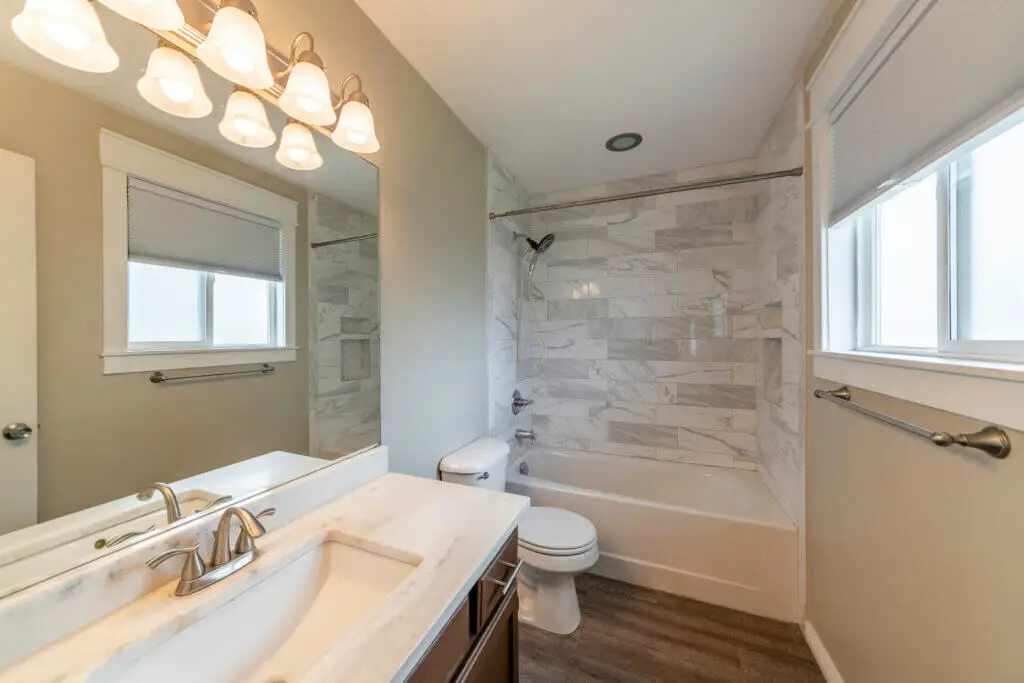
The 5×8 bathroom is the quintessential American “standard” bathroom. Whether it’s a hallway guest bath or a master ensuite in a smaller home, this 40-square-foot space is a staple of residential architecture. While the footprint is small, the density of plumbing, electrical, and finish work makes the timeline more complex than most homeowners anticipate.
Quick Answer: 2–4 Weeks for Most Projects
For a professionally managed 5×8 bathroom remodel, the “active” construction phase typically lasts between 10 to 20 working days. However, this does not include the pre-construction phase (design and ordering) or unexpected delays.
Why Timelines Vary
No two bathrooms are identical. Even with the same dimensions, the timeline fluctuates based on the age of the home. A home built in the 1920s may require a total subfloor replacement and lead pipe abatement, whereas a 1990s suburban home might only need a cosmetic update. The availability of the crew and the sequence of subcontractors also play major roles.
Remodel vs. Refresh
- A “Refresh” (3–5 Days): This involves “pull and replace” aesthetics—swapping a vanity, changing the light fixture, and painting. There is no movement of plumbing or removal of wall tile.
- A “Full Remodel” (2–4 Weeks): This involves stripping the room to the studs (gutting), updating rough-in plumbing, potentially moving the toilet or shower drain, and installing new tile, cabinetry, and fixtures.
Typical Remodel Timeline Breakdown
A full-scale remodel follows a strict linear sequence. Because the space is only 40 square feet, typically only one trade (plumbing, electrical, or tiling) can work in the room at a time.
1. Demolition (1–2 Days)
The room is cleared of all fixtures. In a full gut, the drywall is removed to expose the “bones” of the house. This is the fastest stage but creates the most debris and dust.
2. Plumbing and Electrical Rough-in (2–4 Days)
Once the walls are open, the licensed plumber and electrician move in. They install the new valves for the shower, move drain lines if necessary, and update the wiring to meet modern US building codes (such as installing GFCI outlets). This phase often requires a “rough-in inspection” from the local building department.
3. Preparation and Waterproofing (2–3 Days)
Before tile can be laid, the walls must be prepped with cement board or modern waterproof membrane systems (like Schluter-Kerdi). Ensuring the shower pocket is perfectly square and waterproof is the most critical step for the longevity of the bathroom.
4. Tile Installation (4–7 Days)
This is the most time-consuming phase. It involves:
- Setting the tile.
- Allowing the mortar to cure (24 hours).
- Grouting.
- Sealing the grout.
If you chose a complex pattern like herringbone or small mosaic tiles, expect this to lean toward the 7-day mark.
5. Fixtures and Finishing (2–3 Days)
In the final stretch, the “trim” work happens. The vanity is set, the toilet is installed, and the shower trim and sink faucets are connected. Final painting and the installation of mirrors and towel bars happen during these last few days.
What Can Delay a Bathroom Remodel
Permit Approvals
In many US jurisdictions, a permit is required for any work involving structural, plumbing, or electrical changes. Waiting for an inspector to visit the site can halt a project for 24 to 48 hours at each phase.
Custom Materials
Ordering “special order” tile from Italy or a custom-sized vanity can take 6 to 12 weeks for delivery. If these items arrive damaged, the project can grind to a halt. Always verify that all materials are in your garage before the first hammer hits the wall.
Hidden Damage
Once the walls are opened, “surprises” often appear. Common issues in American bathrooms include:
- Leaking Subfloors: Rotted wood that must be replaced before tiling.
- Outdated Wiring: Discovery of knob-and-tube or aluminum wiring that needs a full upgrade.
- Mold: Remediation can add several days and specialized costs to the project.
How to Keep the Project on Schedule
Planning Ahead
Decide on every single finish—from the grout color to the toilet paper holder—before work begins. “Deciding on the fly” is the number one cause of contractor downtime.
Working with a Single Contractor
Hiring a “Design-Build” firm or a General Contractor (GC) is usually faster than managing individual trades yourself. A GC has a dedicated roster of subs and can schedule them back-to-back, ensuring that as soon as the plumber leaves, the tiler arrives.
FAQs
Can I use the bathroom during the remodel?
In a 5×8 bathroom remodel, the answer is almost always no. The toilet and shower are usually the first things removed and the last things installed. If this is your only bathroom, you will need to make alternative living arrangements for at least 2 weeks.
Do small bathrooms remodel faster?
Not necessarily. While there is less surface area to cover, the “cure times” for mortar, grout, and paint remain the same. Furthermore, the small footprint limits the number of workers who can be in the room at once, which can actually make the process feel slower than a large kitchen.
Are permits required?
For a full remodel in the United States, yes. While some homeowners skip this for “cosmetic” work, any changes to the footprint, plumbing, or electrical systems require a permit to ensure the work is up to safety codes and to protect your home’s resale value.
Ready to Transform Your Bathroom?
Navigating a bathroom remodel requires precision, timing, and professional oversight. At Greater Boston Contractors, we specialize in turning cramped 5×8 bathrooms into modern, functional retreats with a focus on sticking to your timeline and budget.
Contact Greater Boston Contractors today for a detailed quote and let’s get your project on the calendar!