In the context of American home remodeling, kitchen cabinets represent one of the largest single investments a homeowner will make. Understanding their expected lifespan is crucial for budgeting and home valuation. While many industry standards suggest a lifespan of 20 to 50 years, the actual duration depends heavily on the materials used, the environment of the kitchen, and how the cabinets are maintained.
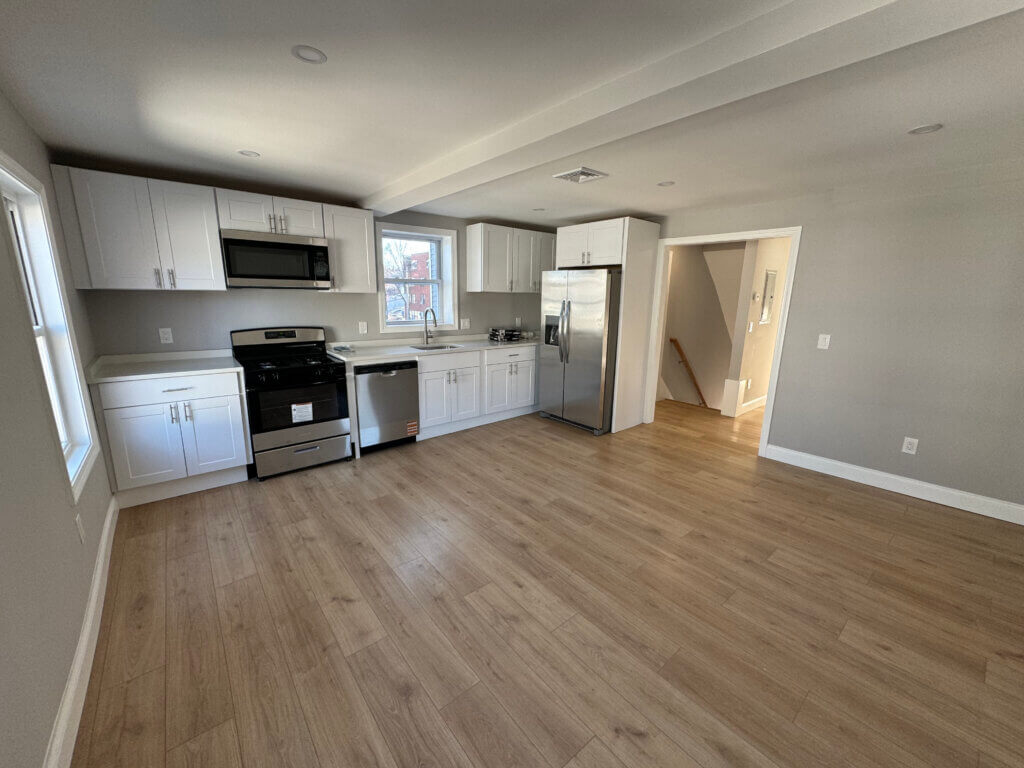
Average Lifespan by Cabinet Type
The construction method of your cabinets is the primary indicator of how many decades of service they will provide. In the US market, cabinets are generally categorized into three tiers.
Stock vs. Semi-Custom vs. Custom Cabinets
- Stock Cabinets (10–15 years): These are mass-produced in standard sizes. They often use thinner materials and basic joinery (like glue and staples). While affordable, they are prone to sagging and hardware failure over time.
- Semi-Custom Cabinets (20–30 years): These offer a middle ground, using better materials such as plywood boxes instead of particleboard. They feature higher-quality hinges and drawer slides that can withstand thousands of cycles.
- Custom Cabinets (50+ years): Built specifically for your kitchen dimensions by master craftsmen, these usually feature “heirloom quality” construction. With dovetail joints and premium hardwoods, these cabinets can often last as long as the house itself.
Solid Wood vs. MDF
- Solid Wood: Naturally durable and capable of being sanded and refinished multiple times. It handles weight well but can expand or contract with seasonal humidity changes in the US, potentially leading to hairline cracks in paint.
- MDF (Medium-Density Fiberboard): Often used for painted doors because it doesn’t expand/contract like wood. However, if the protective coating is breached, MDF can swell significantly when exposed to water, which often necessitates total replacement as it cannot be easily repaired.
Factors That Shorten or Extend Cabinet Life
Even the best cabinets can fail prematurely if they are subjected to a harsh environment or poor installation.
Moisture and Heat Exposure
The area around the sink and the dishwasher is the “danger zone.” Persistent steam or small leaks can cause the wood to rot or the laminate to delaminate. Similarly, high-heat appliances (like self-cleaning ovens) can scorch nearby cabinet finishes if heat shields are not properly installed.
Usage and Maintenance
Cabinets in a high-traffic family kitchen with children and pets face more physical impact. Regularly tightening loose hinges and cleaning off grease—which can chemically break down finishes over time—will significantly extend the life of the cabinetry.
Quality of Installation
If cabinets are not installed perfectly level and plumb, the weight of stone countertops (like granite or quartz) will put uneven stress on the “box” of the cabinet. Over time, this causes the structure to rack, leading to doors that won’t stay closed and drawers that stick.
Refinish, Refacing, or Replace?
When cabinets start looking dated, homeowners must choose the most cost-effective path forward.
When Painting is Enough
If the “bones” (the cabinet boxes) are structurally sound and the layout of the kitchen works for you, a professional paint job is the most economical way to update the look. This is ideal for solid wood or high-quality plywood cabinets that are simply the wrong color.
When Replacement Makes More Sense
If you want to change the “footprint” of your kitchen (e.g., adding an island or moving the stove), replacement is necessary. Furthermore, if the boxes are made of cheap particleboard that has begun to crumble or smell of mold, refinishing is a wasted investment.
Signs Cabinets Need Attention
Structural Damage
Check the “toekick” (the base) and the back of the cabinets. If you see soft spots, visible mold, or the cabinet pulling away from the wall, the structural integrity is compromised.
Door Alignment Issues
While most modern US hinges are 6-way adjustable, if you find yourself constantly re-adjusting them or if the wood around the screw holes has stripped away, it is a sign that the material is failing.
FAQs
Can old cabinets be painted to look new?
Yes, provided they are cleaned of all kitchen grease and sanded properly. Using a high-quality “cabinet grade” lacquer or enamel paint is required for a factory-like finish that won’t peel.
Do cabinets add resale value?
Absolutely. The kitchen is the #1 room that sells a home in the United States. High-quality, well-maintained cabinets can provide a significant Return on Investment (ROI) during a home sale.
Is refacing cheaper than replacement?
Generally, yes. Refacing (replacing only the doors and drawer fronts while veneering the boxes) usually costs about 30–50% less than a full replacement. However, it only makes sense if the existing cabinet boxes are in excellent condition.
Revitalize Your Kitchen with Expert Care
Whether you are looking to preserve your existing cabinetry or are ready for a complete custom overhaul, Greater Boston Contractors provides the expertise needed to ensure your kitchen remains the heart of your home for decades. We specialize in identifying structural potential and delivering finishes that stand the test of time.
Contact Greater Boston Contractors today for a professional consultation and bring your dream kitchen to life!