Embarking on a whole-home remodel is a significant undertaking that requires meticulous planning and a robust budget. Unlike remodeling a single room, a full remodel involves coordinating every system in the house—structural, mechanical, and aesthetic—simultaneously.
At Greater Boston Contractors, we provide transparent, detailed planning to ensure you understand the true investment required to transform your property into your dream home.
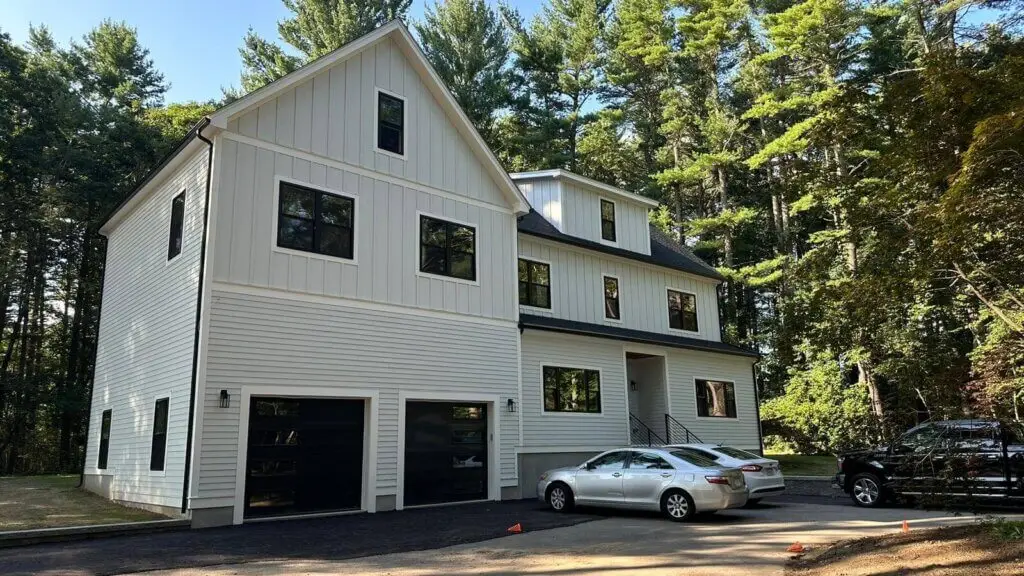
Average Cost of a Whole-Home Remodel
The price of a full remodel depends heavily on the scope—are you updating finishes, or are you tearing down walls and replacing systems?
National Average Range
Nationally, homeowners typically spend between $100,000 and $250,000 for a full, mid-range interior remodel of a standard single-family home (2,000–3,000 sq ft). High-end or luxury remodels that involve custom features, major structural changes, or luxury finishes often exceed $400,000.
Greater Boston Cost Comparison
The cost of materials, specialized labor, and permit compliance is significantly higher in the Greater Boston area compared to the national average. Homeowners should anticipate costs to be 15% to 30% higher than national averages for comparable quality work.
Cost Per Square Foot (Low, Mid, High-End)
A good starting point for budgeting is the cost per square foot for the remodeled area:
| Scope of Remodel | Cost Per Square Foot (Approximate) |
| Low-End Refresh (Surface Finishes Only) | $50 – $100 |
| Mid-Range Remodel (New Systems, Mid-Grade Finishes) | $120 – $250 |
| High-End/Luxury Remodel (Custom Structures, High-End Finishes) | $275 – $450+ |
What Affects Full House Remodel Pricing?
The final price is determined by the complexity of the work hidden behind the walls.
Size and Age of the Home
- Size: Larger homes simply require more materials and labor hours for flooring, paint, and trim.
- Age: Older homes (especially those built before the 1980s) require more extensive remediation, including lead paint or asbestos removal, updated electrical service panels, and resolving outdated plumbing (like galvanized or cast-iron pipes).
Structural Changes and Layout Updates
This is one of the most expensive cost drivers. Removing load-bearing walls, adding dormers, or extending the footprint of the home requires architectural plans, engineering stamps, and lengthy permit approval, significantly increasing both cost and timeline.
Plumbing and Electrical Upgrades
A full remodel often involves replacing or updating the entire electrical service (e.g., from 100-amp to 200-amp service) to handle modern appliance loads. Similarly, moving kitchen and bathroom fixtures requires extensive plumbing rough-in work, which is costly due to the specialized nature of the trade.
Material and Finish Selections
Choosing high-end marble or quartz countertops instead of laminate, selecting custom-built cabinetry over semi-custom, or opting for solid hardwood flooring instead of luxury vinyl plank will shift your budget toward the luxury end.
Cost Breakdown by Room
When budgeting a full remodel, it is helpful to visualize the cost centers, as these are typically the most expensive portions of the project.
Kitchen Remodel
The kitchen is always the single most expensive room. A complete mid-range kitchen remodel typically runs $25,000 to $65,000, encompassing new cabinetry, high-end appliances, and countertops.
Bathroom Remodels
Bathrooms are expensive per square foot due to the density of plumbing and tile work. A typical mid-range 5×8 bathroom remodel starts around $15,000 to $25,000 in the local area.
Flooring Installation
Replacing all flooring (hardwood refinishing or new installation) is a major line item. Costs vary widely based on material (wood, tile, carpet) and preparation work needed on the subfloor.
Interior Paint & Trim
While less costly than the kitchen, full-house interior painting, baseboard, crown molding, and door/window trim replacement add up quickly, covering thousands of square feet.
Exterior Siding or Roofing
If the remodel extends to the exterior, replacing the roof (often $10,000–$25,000) or replacing the siding (vinyl, fiber cement, or wood shake) will significantly increase the total project cost.
How to Budget for a Home Remodel
Successful whole-home remodels rely on careful planning and financial buffers.
Must-Have vs. Nice-to-Have
Create a tiered list of priorities. Differentiate between structural necessities (new electrical panel, fixing foundation issues) which are “must-have,” and high-end finishes (heated floors, imported tile), which are “nice-to-have.” This allows you to scale back if unexpected issues arise.
Contingency Planning (10–20%)
Because a full remodel of an existing home almost always uncovers unforeseen problems (e.g., termite damage, code violations, burst pipes), you must include a 10% to 20% contingency fund in your total budget. This fund should not be touched unless absolutely necessary.
Working with a Design-Build Contractor
A design-build firm manages both the design phase (architectural drawings, material selection) and the construction phase. This approach ensures cost efficiency, as the builders are involved in the design process and can flag expensive or impractical ideas early on, saving time and money.
FAQs
“How long does a full remodel take?”
A full gut remodel of a standard home typically takes between 6 to 12 months from the start of demolition to final finishing touches. The duration depends heavily on permitting speed and the complexity of the structural changes.
“Is a whole-home remodel worth it for resale?”
Yes, highly worth it. A quality whole-home remodel brings the entire house up to modern standards, making it immediately move-in ready. This eliminates buyer concerns about future major repairs (like plumbing or electrical), often resulting in a high return on investment at resale.
“Can I live in the house during a remodel?”
While possible in extreme circumstances, it is highly discouraged for full-scale remodels. The noise, dust, limited utilities (water/power), and safety concerns make the environment uninhabitable. It is usually best to budget for temporary housing or storage during the construction phase.
Ready to plan your comprehensive home transformation?
Contact Greater Boston Contractors today for a detailed feasibility study and transparent budget consultation on your full house remodel.