The front porch is the face of your home—it’s the first thing guests see and the feature that defines your curb appeal. A front porch remodel is one of the highest-impact projects a homeowner can undertake, offering an immediate return on investment in terms of aesthetic appeal and functionality.
At Greater Boston Contractors, we transform tired, old porches into welcoming, durable outdoor spaces. Here are some of the most popular styles and essential upgrades for your next front porch project.
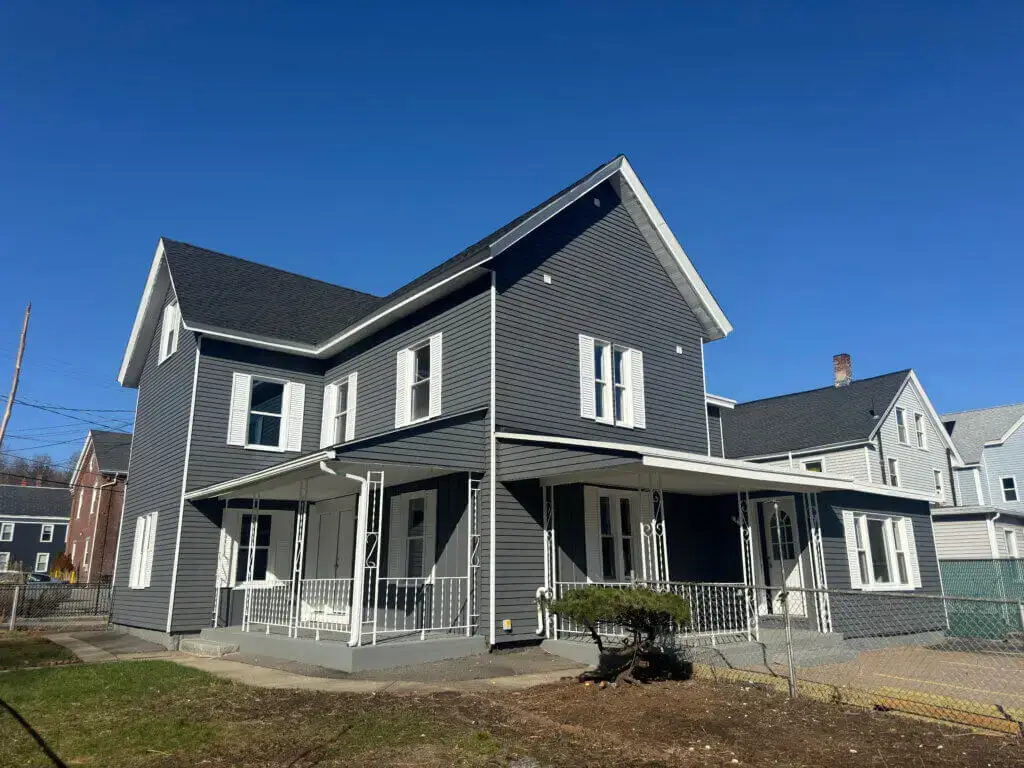
Popular Front Porch Styles
The architecture of your home should guide your porch design, ensuring a cohesive and timeless look.
Modern Farmhouse
This style features clean lines, often uses durable composite or wood decking, and incorporates simple, sturdy square columns. Railings are typically X-pattern or vertical wire for a rustic yet updated feel. Colors usually stick to contrasting whites, grays, and natural wood stains.
New England Coastal
Characterized by painted white railings, often with turned balusters or lattice work, and wide plank flooring. This style emphasizes charm and light, creating a bright, breezy entry that is highly resistant to salt and moisture.
Classic Colonial
A colonial porch requires symmetry and formality. Features include round or square fluted columns, clean white trim, and a classic portico roof structure. The design is traditional, elegant, and uses durable materials built to last generations.
Rustic or Craftsman-Inspired
These porches emphasize natural materials and robust construction. Look for thick, square cedar or painted columns that rest on stone or brick piers, with simple, vertical balusters. The focus is on substance and integration with the landscape.
Design Ideas That Transform Your Porch
Small design choices can have a massive impact on the look and feel of your entryway.
New Railings and Posts
Replacing outdated, flimsy railings or posts with thicker, more architecturally significant elements (such as tapered columns or custom-milled balusters) instantly upgrades the entire facade. We often upgrade from simple metal posts to decorative, low-maintenance vinyl or treated wood.
Porch Extensions
Sometimes the issue is simply size. Extending a narrow porch creates enough room for comfortable furniture, turning a pass-through into a true seating area. This requires careful foundation work to match the existing structure.
Decorative Stone or Brick
Using stone veneer or brick to skirt the bottom of the porch, or to create handsome piers for the posts, adds texture and visual weight, anchoring the structure to the ground.
Updated Stairs and Skirting
Replacing worn, uneven stairs with wider, deeper treads improves safety and comfort. Adding closed skirting or lattice work under the porch helps hide the substructure, creating a neat, finished look.
Functional Upgrades
The best porches blend beauty with practicality, especially when dealing with the demanding climate of New England.
Lighting and Electrical
Good lighting is essential for safety and ambiance. This includes installing recessed ceiling lights, wall sconces near the door, and ground-level step lighting. Adding an exterior outlet for seasonal decorations or charging devices is a must.
Weather-Resistant Flooring
In our climate, the flooring material must withstand snow, rain, and temperature fluctuations. We recommend:
- Composite Decking: Low maintenance, moisture-resistant, and won’t splinter.
- Pressure-Treated Wood: Economical, but requires regular staining or painting.
- PVC or Vinyl: The most water-resistant option, perfect for open porches.
Seating Areas and Porch Swings
If the space allows, plan for permanent seating. A built-in bench or the structural installation of a classic porch swing creates an inviting, functional space that encourages outdoor use.
Tips for Increasing Curb Appeal
A remodel is the perfect time to tie the porch into the rest of your property.
Paint & Stain Ideas
Choose paint colors that contrast slightly with your main house color. A crisp white on the railings and trim against a darker house siding creates a sharp, clean appearance. If using wood flooring, a weather-resistant stain in a mid-tone brown or grey protects the material while highlighting the grain.
Landscaping Add-ons
Integrate the porch with landscaping by adding flower boxes or permanent planters built into the railing. Use mulch beds and low shrubs to soften the transition from the foundation to the yard.
Seasonal Décor
Even the best remodel needs personality! Plan for areas to display seasonal décor, such as holiday wreaths, pumpkins, or summer ferns, that enhance the welcoming nature of the porch.
FAQs
“How long does a porch remodel take?”
A typical front porch remodel, including foundation, framing, decking, and finishing, generally takes between one to three weeks, depending on the size and whether custom features (like complex stone piers or large structural elements) are involved.
“Can I remodel an old wooden porch?”
Absolutely. We often revitalize old wooden porches by addressing the structural integrity first (replacing rotted joists or supports) and then upgrading the decking, railings, and posts with modern, low-maintenance materials.
“What materials last longest in New England?”
Due to the intense freeze-thaw cycles and moisture exposure, the longest-lasting materials are composite or PVC decking, pressure-treated lumber (correctly maintained), and natural stone or engineered pavers for foundation surfaces. These materials handle expansion and contraction well.
Ready to revitalize your home’s entrance and boost its curb appeal?
Contact Greater Boston Contractors today for a detailed consultation and estimate on your front porch remodel!