The floating vanity has transitioned from a niche architectural trend to a staple of modern bathroom design. By mounting the vanity directly to the wall and leaving the floor beneath it visible, you transform the entire geometry of the room. But while they offer a sleek, high-end look, they come with unique structural requirements. At Greater Boston Contractors, we often advise clients on whether a wall-mounted unit is the right choice for their specific space and lifestyle.
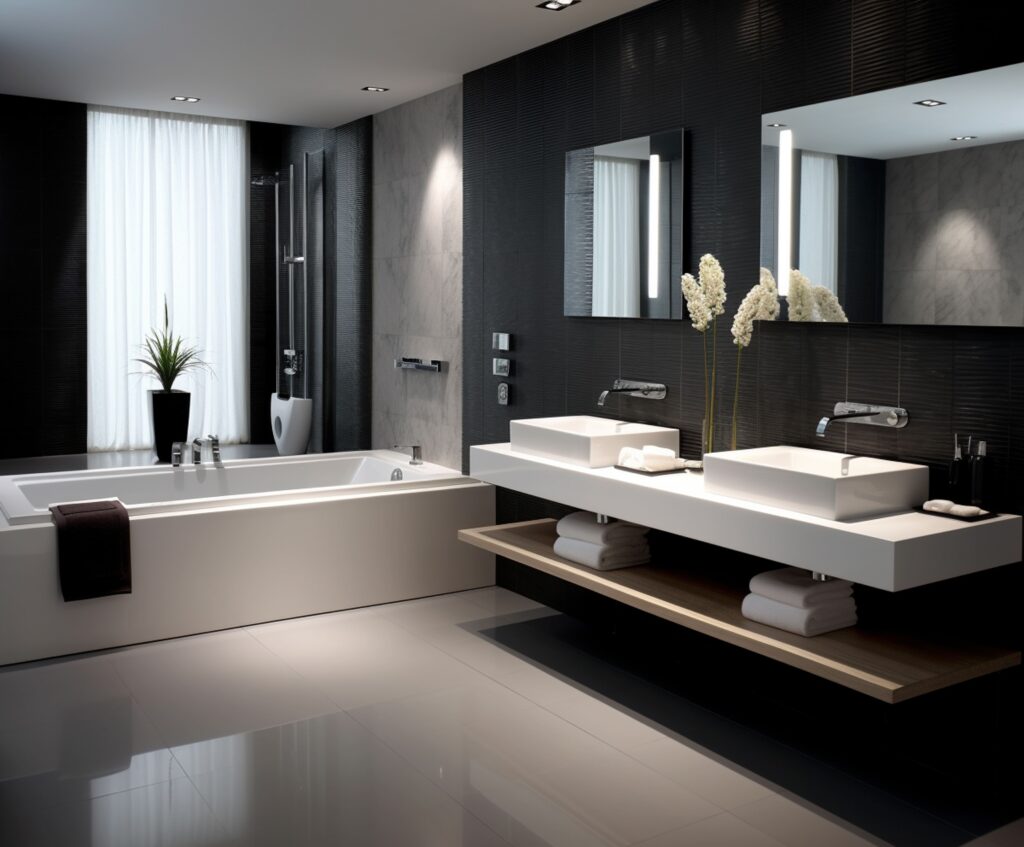
Quick Answer: Are Floating Vanities Worth It?
Yes, if you value aesthetics, space optimization, and easy cleaning. Floating vanities are an excellent investment for those seeking a contemporary, airy feel. However, they are not a “drop-in” replacement for standard vanities; they require a structurally sound wall and often demand plumbing adjustments. If maximizing storage capacity is your absolute top priority, you may find them slightly more limiting than traditional full-depth base cabinets.
What Is a Floating Vanity?
A floating vanity is a bathroom cabinet that is bolted to the wall rather than sitting on the floor. It creates a “gap” between the bottom of the vanity and the floor surface. This gap is the defining feature, providing a minimalist silhouette that keeps the floor plane unobstructed.
Pros of Floating Vanities
- Expansive Visual Space: By exposing the floor underneath, your eyes perceive more square footage, making the entire bathroom feel significantly larger.
- Effortless Cleaning: Say goodbye to the narrow, hard-to-reach gap between your vanity legs and the wall. A floating design allows you to sweep or mop the entire floor with ease.
- Design Versatility: Because you mount them to the wall, you aren’t tied to standard heights. You can install them exactly where it’s most comfortable for your height.
- Modern Appeal: It is the fastest way to achieve that “spa-like,” boutique hotel aesthetic that is highly sought after in current home design.
Cons of Floating Vanities
- Storage Trade-offs: You naturally lose some volume since the cabinet cannot extend all the way to the floor.
- Structural Requirement: You cannot just mount these on drywall. The wall must have “blocking” (reinforced support studs) capable of holding the weight of the vanity, the countertop, and the sink.
- Plumbing Challenges: In a traditional vanity, pipes are hidden inside the cabinet base. With a floating vanity, you may need to move plumbing lines lower into the wall to keep them hidden and aesthetically pleasing.
Floating vs. Freestanding: Which to Choose?
| Feature | Floating Vanity | Freestanding Vanity |
| Visual Style | Minimalist/Modern | Traditional/Classic |
| Floor Space | Appears larger (floor visible) | Defines the floor space |
| Storage | Limited/Open | High capacity |
| Installation | Requires wall reinforcement | Simple, sits on floor |
Storage Hacks for Floating Vanities
If you are worried about the loss of storage space, try these contractor-approved solutions:
- Maximize Drawer Interior: Use premium drawer organizers to make every inch of the remaining drawer space count.
- Medicine Cabinets: Since you’re losing under-vanity storage, install a recessed medicine cabinet above the sink to reclaim your toiletries space.
- Shelving: Use the space on the wall above the vanity for slim, wall-mounted floating shelves that complement the design.
Critical Installation Considerations
Don’t attempt a floating vanity install without a pro. Here is what we check before starting:
- Wall Structure: Does the wall have sufficient backing to support the weight? If not, the wall must be opened to add structural blocking.
- Plumbing Height: We need to verify that your drain and supply lines will be hidden by the vanity frame, rather than awkwardly visible beneath it.
- Tile Continuity: Since the floor will be visible, you must ensure that your flooring extends to the wall. If you are replacing a vanity that had tile cut around it, you may need to perform floor patches or install new tile.
FAQ
Are floating vanities practical?
They are highly practical for cleaning and visual space, provided you don’t require massive amounts of under-sink storage for bulk items.
Do floating vanities save space?
They save visual space and floor area, making a room feel less cramped, though they physically reduce the total cubic storage capacity compared to a floor-to-ceiling cabinet.
Can any bathroom have a floating vanity?
Almost any bathroom can, but it may require moving plumbing or adding internal wall support, which adds to the renovation cost.
Are floating vanities hard to install?
They are significantly more complex than freestanding vanities due to the need for structural wall reinforcement and precision plumbing alignment.
Do floating vanities add value?
Yes. They are considered a modern, premium feature. They signal to potential buyers that the bathroom has been renovated with current, high-end design trends in mind.
Ready to elevate your bathroom design?
Don’t settle for “standard” when you can have a space that feels open and custom-designed for you. Contact Greater Boston Contractors today for a professional installation assessment—let’s get your project started!