For many homeowners, the basement is the great untapped frontier of their property. It’s often a large, open footprint just waiting for a purpose. But from a real estate perspective, the “Finished vs. Unfinished” debate is more nuanced than just square footage. Does turning that concrete-walled storage area into a carpeted family room actually put money back in your pocket?
At Greater Boston Contractors, we’ve seen how strategic basement finishes can change the entire marketability of a home. Here is the reality of how basement space impacts your home’s value.
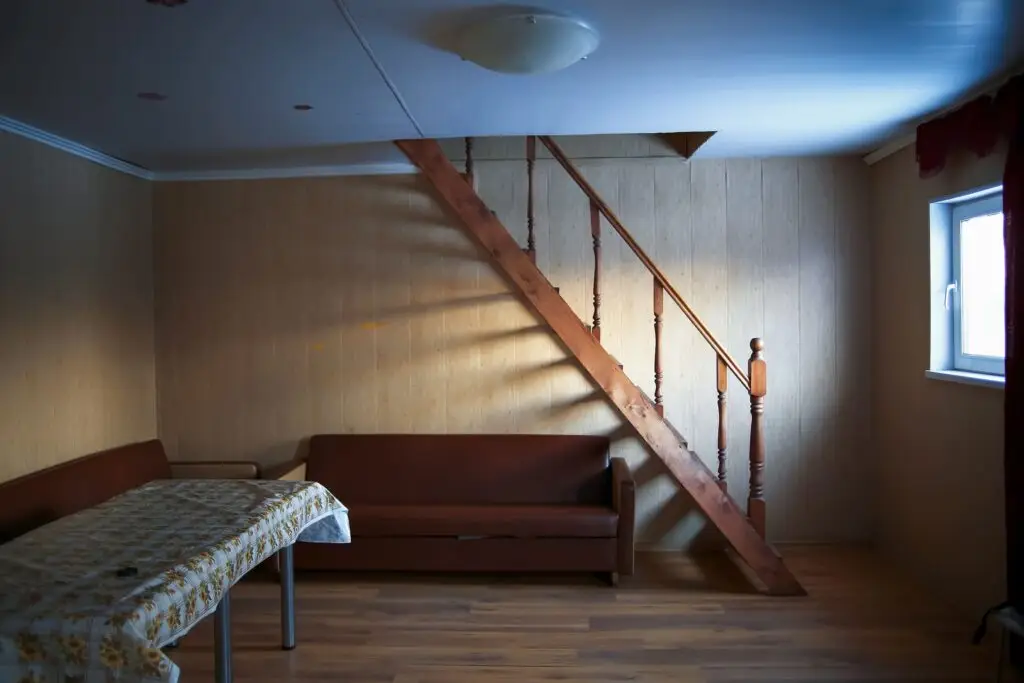
What Is the Difference Between a Finished and Unfinished Basement?
The distinction comes down to livability and code compliance:
- Finished Living Space: A basement that has been professionally framed, insulated, and finished with walls, ceilings, and flooring that meet local building codes. It is heated, cooled, and integrated into the home’s main living environment.
- Partially Finished: Often involves some insulation or drywall but lacks the “full finish” level (e.g., exposed ceilings or unfinished flooring). This acts as a middle ground but doesn’t always count toward “total livable area.”
- Storage/Utility Areas: The “raw” state. While every home needs storage space, these areas—while necessary—do not command the same premium as functional, livable square footage.
Does a Finished Basement Add Home Value?
The short answer is yes, but with a few caveats:
- Added Usable Space: Buyers are almost always looking for more room. A finished basement can turn a 1,500-square-foot house into a 2,200-square-foot home, which drastically widens your buyer pool.
- Appraisal Considerations: Note that in many markets, basement square footage is often appraised differently than main-level square footage. Even if it doesn’t count as “above-grade” space, a high-quality finish still adds substantial “perceived value.”
- Buyer Appeal: A home with a dedicated playroom, gym, or guest suite is inherently more attractive than a home with a dark, cold concrete box.
When an Unfinished Basement Still Adds Value
Don’t feel like you must finish the basement to make your home valuable. An unfinished basement is still a major asset if it is:
- Clean & Dry: A basement that is free of water damage, efflorescence, and mold is highly prized.
- Organized Storage: Potential buyers love seeing “room for growth.” If the area is clean and well-lit, they see a “blank canvas” where they can build their dream basement later.
- Well-Maintained Systems: An unfinished basement that showcases a tidy, updated HVAC system, water heater, and electrical panel gives buyers peace of mind regarding the home’s mechanical health.
Best Uses for a Finished Basement
Functionality wins. When finishing, tailor the space to what modern buyers are seeking:
- Family Room/Media Room: The classic choice for creating a secondary lounge space.
- Home Office: A quiet, professional-grade office is increasingly essential for today’s hybrid workforce.
- Guest Suite: Adding a private bedroom and bath provides “bonus” accommodation that is hard to find in standard homes.
- Fitness Studio: Dedicated space for a home gym is a high-demand feature.
- Accessory Dwelling Unit (ADU): Where permitted, a kitchen-equipped basement space can be a massive value driver.
What Affects Basement Value?
Not all finishes are equal. The quality of your renovation matters:
- Ceiling Height: Low ceilings can make a finished basement feel claustrophobic. If you have the height, keep it!
- Moisture Control: This is the foundation of value. If your basement feels damp or smells musty, no amount of high-end flooring will add value.
- Egress & Safety: To count a room as a bedroom, it must have a code-compliant egress window.
- Bathroom/Kitchenette: Adding plumbing is the single most effective way to drive up the value and utility of a basement.
FAQ
Is finishing a basement worth it?
Finishing a basement is almost always worth it for the lifestyle improvement. From a strictly financial ROI perspective, you generally recoup 60% to 75% of your costs, depending on your market.
Does a finished basement count as square footage?
Generally, no. Most appraisers count finished basements as “below-grade” square footage, which is usually valued lower than “above-grade” living space. However, it still adds significant market appeal.
How much value does a finished basement add?
While it varies, finishing a basement can boost the resale price of your home significantly by adding features—like an extra bathroom or bedroom—that otherwise wouldn’t exist.
Is a basement bedroom legal?
Only if it meets local safety codes, including the installation of an emergency egress window, proper fire-rated drywall, and adequate ceiling height.
What is the best way to finish a basement for resale?
Focus on high-quality, moisture-resistant materials and create a versatile layout that appeals to the broadest group of buyers—like a family room, a full bathroom, and a flexible space that could act as an office or bedroom.
Thinking about finishing your basement? At Greater Boston Contractors, we ensure your basement project is dry, code-compliant, and beautifully designed to maximize your home’s value.
Click here to contact Greater Boston Contractors today for your professional basement assessment!