The roof is arguably the most critical component of any building, providing essential protection against the elements, contributing to structural integrity, and significantly impacting a property’s aesthetic appeal and energy efficiency. From classic suburban homes to modern architectural marvels, roofs come in a vast array of shapes and are covered with diverse materials, each offering unique benefits and suited for different climates and styles. Understanding these variations is key to making an informed decision for your home.
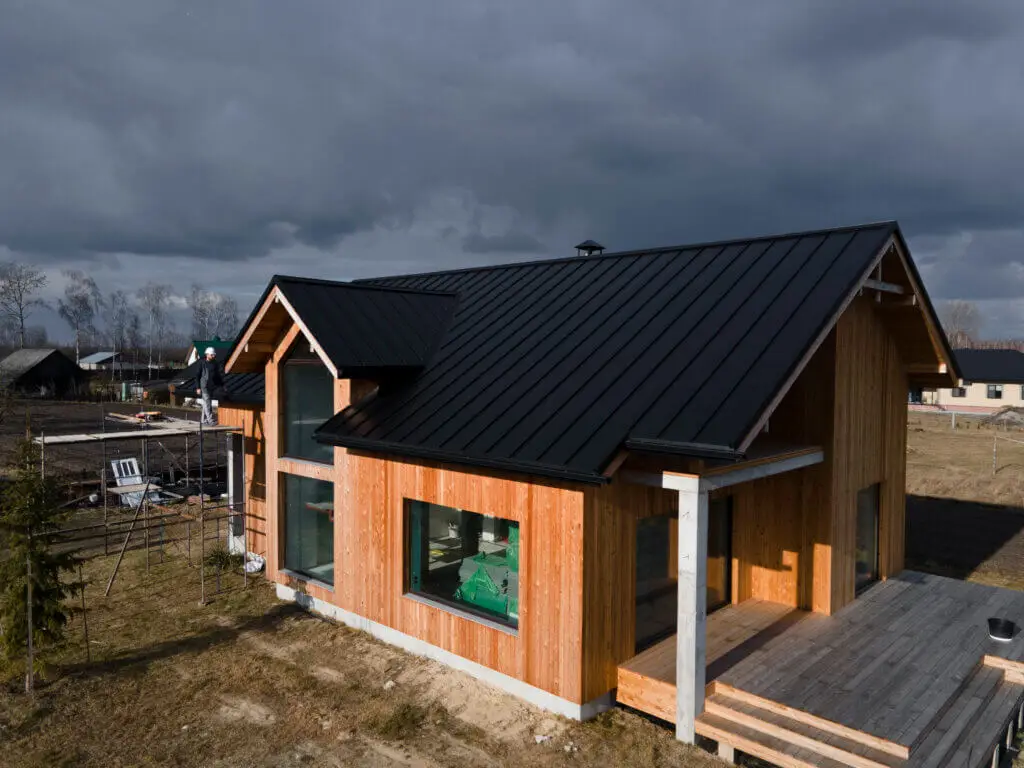
Popular roof shapes (Gable, Hip, Flat, etc.)
The shape of a roof defines its architectural style and influences its performance and construction complexity.
Gable Roof:
- Description: The most common roof type, characterized by two sloping sides that meet at a ridge, forming a triangular wall (a “gable”) at each end.
- Pros: Simple design, easy to build, good for drainage, provides attic space, allows for good ventilation.
- Cons: Can be vulnerable to high winds if not properly constructed (especially with large overhangs).
- Common in: Traditional, Colonial, Craftsman, and many contemporary home styles.
Hip Roof:
- Description: All sides slope downwards to the walls, typically with four sloping sides that meet at a ridge or come to a point.
- Pros: Extremely stable, excellent for high wind and heavy snow areas as slopes deflect wind, offers overhangs on all sides for protection.
- Cons: More complex and expensive to build than a gable roof, less attic space.
- Common in: Ranch, Craftsman, Bungalow, and Mediterranean styles.
Flat Roof:
- Description: Despite the name, flat roofs have a slight slope (typically 1/4 inch per foot) to allow for water drainage.
- Pros: Creates usable outdoor living space (e.g., roof decks), cost-effective for large commercial buildings, allows for hidden HVAC units and solar panels.
- Cons: Requires specialized roofing materials (e.g., EPDM, TPO, built-up roofing) to prevent leaks, drainage must be meticulously maintained, shorter lifespan than pitched roofs if not properly cared for.
- Common in: Modern, Contemporary, Commercial, and some industrial buildings.
Gambrel Roof:
- Description: A type of gable roof with two slopes on each side, the lower slope being steeper than the upper slope. Creates a barn-like appearance.
- Pros: Maximizes usable attic space (creating a loft or living area), good for sheds and barns, good drainage.
- Cons: Complex to frame, potential for water leaks at the break in the pitch, requires careful flashing.
- Common in: Barns, Dutch Colonial homes, sheds.
Mansard Roof:
- Description: A four-sided gambrel-style hip roof, with each side having two slopes. The lower slope is much steeper and often punctuated by dormer windows, creating usable attic space.
- Pros: Creates additional living space or attic room, allows for design flexibility with dormers, unique aesthetic.
- Cons: Complex and expensive to build, prone to water leakage if flashing is not perfect, potentially higher long-term maintenance.
- Common in: French architectural styles (e.g., Second Empire, Chateauesque).
Shed Roof (Lean-to Roof):
- Description: A single, continuous slope.
- Pros: Simple, cost-effective, good for extensions or modern designs, good for drainage, can easily accommodate solar panels.
- Cons: Limited architectural interest, can be challenging for insulation and ventilation depending on orientation.
- Common in: Modern homes, additions, sheds, carports.
Common roofing materials explained
The material covering your roof is just as important as its shape, offering varying levels of durability, cost, aesthetics, and performance.
Asphalt Shingles
- Description: The most popular roofing material in North America, made from a fiberglass mat coated with asphalt and ceramic granules. Available in various styles, including 3-tab (flat) and architectural/dimensional (thicker, textured look).
- Pros:
- Affordable: Most cost-effective roofing option.
- Versatile: Wide range of colors and styles to match any home.
- Easy to Install: Relatively straightforward installation by professionals.
- Good Performance: Provides reliable waterproofing and moderate wind resistance.
- Repairable: Individual shingles can often be repaired or replaced.
- Cons:
- Lifespan: Typically 15-30 years, shorter than many other materials.
- Vulnerability: Can be susceptible to high winds, hail, and extreme temperature fluctuations.
- Environmental Impact: Petroleum-based, though recycling efforts are increasing.
- Best For: Most residential homes, offering a balance of cost, performance, and aesthetics.
Metal Roofing
- Description: Available in various forms, including standing seam (panels with raised seams), corrugated panels, and metal shingles/tiles designed to mimic other materials. Common metals include steel (galvanized, Galvalume), aluminum, copper, and zinc.
- Pros:
- Exceptional Durability: Can last 40-70+ years, often outliving the home.
- Weather Resistance: Highly resistant to fire, wind, hail, rot, and insects. Does not absorb water.
- Energy Efficiency: Can reflect solar radiant heat, potentially lowering cooling costs.
- Low Maintenance: Generally requires very little maintenance once installed.
- Recyclable: Many metal roofs contain recycled content and are fully recyclable at the end of their life.
- Cons:
- Higher Upfront Cost: Significantly more expensive than asphalt shingles.
- Noise: Can be noisy during heavy rain or hail, though proper insulation can mitigate this.
- Denting: Softer metals like aluminum can dent from heavy impacts.
- Installation: Requires specialized knowledge and expertise.
- Best For: Homes in harsh climates, those seeking maximum durability, or a modern/industrial aesthetic.
Slate and Tile
- Description:
- Slate: Natural stone, cut into thin, flat tiles. Highly durable with a distinctive, elegant appearance.
- Tile: Most commonly clay or concrete tiles. Available in various profiles (e.g., Spanish/barrel, flat, interlocking), colors, and textures.
- Pros:
- Extreme Longevity: Slate can last 75-200+ years. Clay and concrete tiles 50-100 years.
- Fireproof: Inherently fire-resistant.
- Aesthetics: Unmatched natural beauty and character, enhancing curb appeal.
- Weather Resistant: Excellent protection against severe weather, rot, and insects.
- Sustainable: Natural materials with long lifespans.
- Cons:
- Very Expensive: Among the most expensive roofing materials, both for material and specialized installation.
- Heavy: Requires robust roof framing to support the weight.
- Fragile: Can break if walked on improperly or from heavy impact (e.g., large hail, falling branches).
- Installation: Requires highly skilled and experienced installers.
- Best For: Luxury homes, Mediterranean, Spanish, or Colonial architectural styles, and those prioritizing ultimate longevity and high-end aesthetics.
Wood Shake
- Description: Made from split (shakes) or sawn (shingles) pieces of cedar, redwood, or cypress. Shakes have a rougher, more textured appearance than shingles.
- Pros:
- Natural Beauty: Provides a rustic, natural, and timeless look.
- Insulation: Offers good insulation properties, helping with energy efficiency.
- Durability: Naturally resistant to rot and insects (especially cedar/redwood). Can last 25-40 years with proper maintenance.
- Cons:
- Flammability: Inherently flammable (though fire-retardant treatments are available).
- Maintenance: Requires regular cleaning, repairs, and treatment to prevent moss/algae growth and enhance longevity.
- Cost: More expensive than asphalt shingles.
- Vulnerability: Can curl, split, or develop mildew in damp conditions if not properly maintained.
- Best For: Craftsman, Bungalow, historic homes, or those desiring a unique natural aesthetic.
How to choose the best roof type for your home
Selecting the ideal roof involves balancing several critical considerations:
- Architectural Style: The roof should complement your home’s design. A Spanish tile roof on a modern minimalist home might look out of place, just as an ultra-modern flat roof might clash with a traditional Colonial.
- Budget: Roofing is a significant investment. Determine your budget for both initial installation and long-term maintenance. Asphalt shingles offer the lowest upfront cost, while slate and copper are at the highest end.
- Climate and Weather Conditions:
- Heavy Snow: Look for materials that can withstand heavy loads (e.g., metal, robust asphalt shingles, slate). Adequate pitch is also crucial.
- High Winds: Hip roofs and materials like metal or well-fastened asphalt shingles are good choices.
- Hail: Metal and certain types of impact-resistant asphalt shingles or concrete tiles perform well.
- Humidity/Rain: Materials naturally resistant to mold, mildew, and rot (e.g., metal, tile, properly treated wood) are beneficial. Good drainage and ventilation are key regardless of material.
- Local Building Codes and HOAs: Check with your local building department and any homeowners’ association (HOA) for specific requirements or restrictions on roof types, colors, or materials.
- Lifespan and Warranty: Consider how long you plan to live in the home and the warranty offered by the manufacturer and installer. A longer-lasting roof might have a higher upfront cost but lower long-term expenses.
- Maintenance Commitment: Some materials (wood shake, slate) require more specialized and frequent maintenance than others (metal, asphalt).
- Weight of Material: Heavy materials like slate and concrete tile require strong roof framing, which might necessitate structural reinforcement, adding to costs.
- Energy Efficiency Goals: Metal roofs and lighter-colored materials can contribute to lower cooling costs. Proper insulation in the attic is always paramount.
Roof pitch, climate, and budget considerations
These three factors are intrinsically linked and often dictate the most suitable roofing solution.
- Roof Pitch:
- Low Pitch/Flat Roofs: Require specialized membrane roofing materials (e.g., TPO, EPDM, PVC, Built-Up Roofing) that can handle standing water and have highly effective waterproofing. Traditional shingles are not suitable.
- Moderate to Steep Pitch (4:12 to 12:12 and above): Provides excellent drainage and is suitable for most roofing materials, including asphalt shingles, metal panels, slate, tile, and wood shake. Steeper pitches often allow for longer material lifespans due to quicker water shedding.
- Impact on Material Choice: Some materials like standing seam metal can be used on very low pitches, while others like certain tile profiles require a minimum steeper pitch.
- Climate:
- Cold Climates (Snow/Ice): Durability against freeze-thaw cycles is critical. Metal roofs shed snow well, and proper ice damming prevention (ice and water shield, ventilation) is essential regardless of material.
- Hot Climates (Sun/Heat): Materials with high solar reflectivity (e.g., light-colored metal, cool asphalt shingles) can reduce cooling loads. UV resistance is paramount to prevent premature aging and fading.
- Humid/Wet Climates: Materials naturally resistant to mold, algae, and rot (e.g., metal, tile, asphalt shingles with algae resistance) are beneficial. Proper ventilation of the attic is also vital.
- High Wind Zones: Look for materials with high wind ratings and professional installation techniques that include robust fastening.
- Budget:
- Upfront Cost: This is often the primary driver. Asphalt shingles are the most budget-friendly for initial installation.
- Long-Term Cost (Life Cycle Cost): Consider not just the initial installation but also the expected lifespan, maintenance requirements, and potential energy savings. A more expensive material initially (like metal or tile) might prove more cost-effective over its much longer lifespan, as it avoids frequent replacement costs.
- Return on Investment (ROI): For homeowners looking to sell in the near future, an updated asphalt shingle roof might offer a better immediate ROI than a luxury material. For a “forever home,” investing in a durable, long-lasting roof makes more sense.
By carefully evaluating your home’s unique characteristics, your local climate, and your financial parameters, you can confidently choose a roof type that offers the best balance of style, performance, and value for your property.