Choosing the exterior cladding for your home is a high-stakes decision that impacts your property’s “curb appeal,” structural protection, and long-term resale value. In the United States, two of the most popular contenders are natural Cedar and modern Vinyl. While they both serve the same primary function, they cater to very different homeowner priorities.
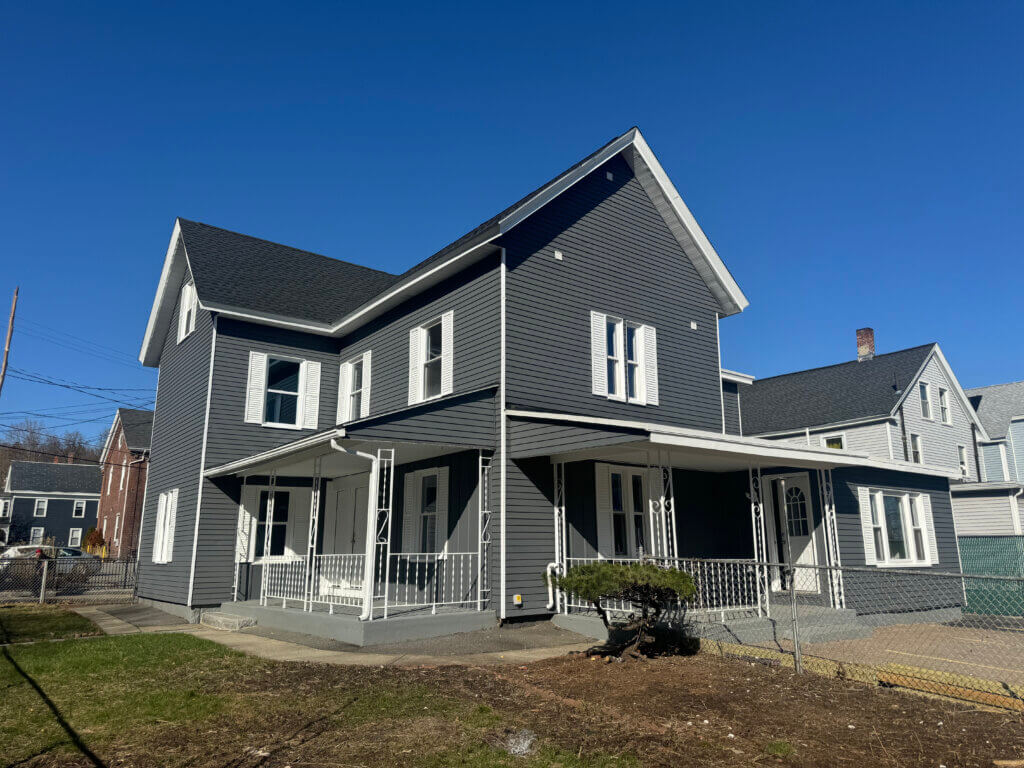
Quick Answer: Cedar Looks Premium; Vinyl Is Lower Maintenance
The choice typically boils down to a trade-off between aesthetic prestige and lifestyle convenience.
- Cedar is the gold standard for luxury and architectural authenticity. It offers unmatched natural beauty but requires a commitment to periodic labor and higher costs.
- Vinyl is the “set-it-and-forget-it” option. Modern manufacturing has improved its appearance significantly, making it the most popular choice for homeowners who want to minimize weekends spent on home maintenance.
Upfront cost vs ongoing upkeep differences
In terms of initial investment, Cedar is substantially more expensive. A typical professional installation for Cedar can range from $10 to $20 per square foot, whereas Vinyl usually falls between $4 and $9 per square foot. However, the financial story doesn’t end at installation. Cedar requires staining or painting every 3–7 years, while Vinyl only requires an occasional power wash.
What matters most for your home goals
If your goal is to maximize the historical character of a classic home or achieve a “natural” Pacific Northwest or New England aesthetic, Cedar is the winner. If your priority is a predictable budget and more free time, Vinyl is the logical path.
Cedar Siding Pros & Cons
Natural look and repairability
Cedar (specifically Western Red Cedar) is prized for its rich grain, warm tones, and distinct aroma.
- Aesthetic Versatility: It can be installed as shakes, shingles, or horizontal lap boards. It can be clear-coated to show off the wood, stained to a specific hue, or painted.
- Repairability: Unlike synthetic materials, if a single cedar board is damaged, it can be replaced and matched to the rest of the house relatively easily. It is also an excellent natural insulator, providing better R-value (thermal resistance) than standard vinyl.
Maintenance needs (painting, pests, and moisture)
The primary “con” of Cedar is its vulnerability to the elements.
- The Upkeep Cycle: Without regular sealing, wood will rot, warp, or turn a weathered grey (which some homeowners like, but it must still be protected from moisture).
- Biological Threats: Woodpeckers and insects (like carpenter bees or termites) are attracted to natural wood.
- Fire Risk: Unless treated with fire retardants, cedar is more flammable than fiber cement or high-grade vinyl.
Vinyl Siding Pros & Cons
Low-maintenance performance and cleaning
Introduced in the 1960s as an alternative to aluminum, modern vinyl is made from PVC (polyvinyl chloride).
- Ease of Care: It never needs to be painted. The color is “baked in” throughout the material, meaning scratches don’t show as easily. A simple solution of soap and water once a year is usually enough to keep it looking new.
- Durability: It is impervious to moisture and rot, making it ideal for humid or rainy climates.
Color fade and impact damage considerations
- Brittleness: In extremely cold climates, vinyl can become brittle. A stray baseball or a rogue rock from a lawnmower can crack or puncture a panel.
- Fading: While modern UV inhibitors are much better than they used to be, vinyl will eventually fade over decades. Unlike wood, you cannot simply “restain” faded vinyl; you usually have to replace it.
- Environmental Impact: PVC is more difficult to recycle than natural wood, which is biodegradable.
Best Choice by Home Type & Priorities
Historic/character homes vs newer builds
- Historic Homes: Many homeowner associations (HOAs) or historic districts in the US strictly forbid vinyl because it can look “flat” compared to the depth of real wood. Cedar preserves the architectural integrity of Victorian, Craftsman, and Cape Cod styles.
- Newer Builds: For modern suburban developments, vinyl is often the standard. It provides a clean, uniform look that fits perfectly into contemporary neighborhoods.
Budget + timeline + long-term plans
- The “Flip”: If you are Renovating to sell quickly, vinyl provides a fresh look for a lower investment.
- The “Forever Home”: If you plan to stay for 30 years and love the ritual of home care, the timeless beauty of Cedar may be worth the premium.
FAQs
Does cedar siding increase home value?
Generally, yes. Real wood is considered a “high-end” material. In a competitive real estate market, a well-maintained cedar-sided home often commands a higher asking price than a similar home with vinyl. However, “well-maintained” is the keyword; peeling or rotting cedar will actually decrease value.
How long does vinyl siding last?
High-quality vinyl siding can last 20 to 40 years. Most premium manufacturers offer limited lifetime warranties, though the visual appeal may decline before the structural integrity does due to fading.
Can you install vinyl over wood siding?
Technically, yes, but it is rarely recommended. Installing over existing wood can trap moisture between the layers, leading to hidden rot in your home’s framing. The best practice is to “strip to the sheathing,” inspect for damage, install a weather-resistant barrier (house wrap), and then apply the new siding.
Protect and Beautify Your Home with Professional Siding Solutions.
Whether you choose the timeless elegance of natural Cedar or the modern efficiency of Vinyl, the quality of the installation is what determines the lifespan of your exterior. At Greater Boston Contractors, we specialize in precision siding applications that stand up to the harshest American climates.
Ready to transform your home’s exterior? Contact Greater Boston Contractors today for an on-site consultation and a detailed, no-obligation estimate!