Cedar plank siding stands as a timeless and highly sought-after choice for home exteriors, celebrated for its inherent beauty, aromatic qualities, and remarkable natural durability. Far beyond mere aesthetics, cedar offers a unique combination of characteristics that contribute to a home’s longevity, energy efficiency, and curb appeal. For homeowners seeking a distinct, natural look coupled with robust performance, cedar plank siding presents a compelling option that, with proper care, can last for decades.
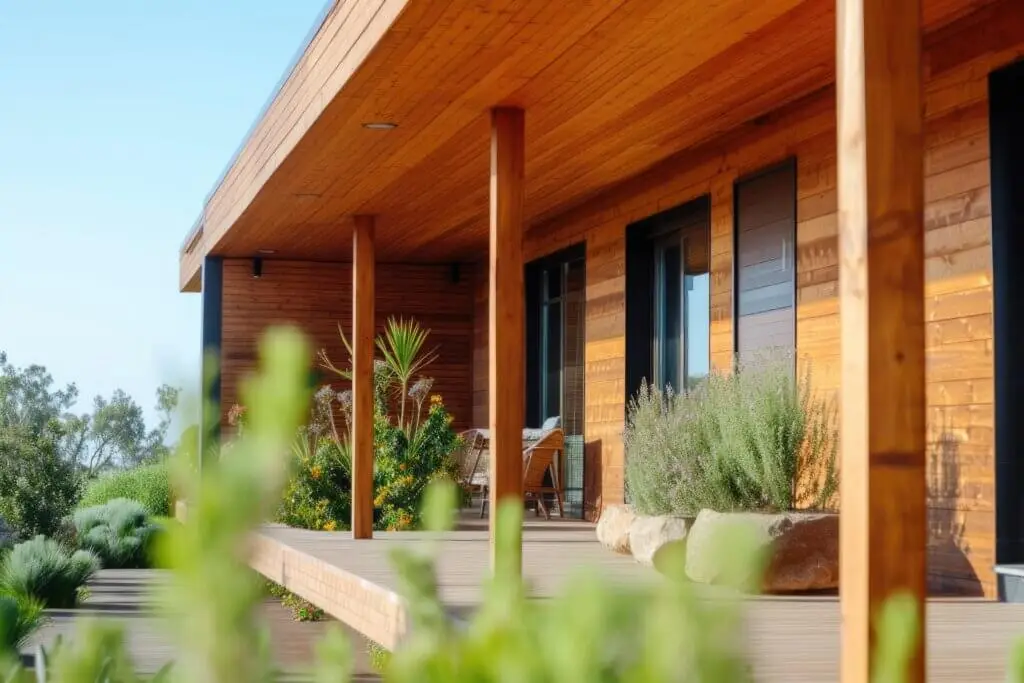
Why choose cedar for your home exterior?
The appeal of cedar as an exterior siding material is deeply rooted in its unique natural properties and aesthetic versatility.
- Natural Beauty: Cedar boasts a rich spectrum of colors, from warm honey tones to deep reddish-browns, often with striking grain patterns. Its natural variation creates a dynamic and inviting facade that is difficult to replicate with manufactured materials.
- Aromatic Qualities: Cedar emits a distinct, pleasant aroma that is a signature characteristic of the wood. While more noticeable during installation, it contributes to the overall natural experience of the home.
- Natural Durability and Pest Resistance: Unlike many other wood species, cedar contains natural oils (extractives) that act as inherent preservatives. These extractives make cedar exceptionally resistant to:
- Insect Infestation: Pests like termites and carpenter ants are naturally deterred by cedar’s compounds.
- Rot and Decay: The natural oils provide superior resistance to fungal growth, mold, and mildew, which are common causes of rot in other woods, especially in humid climates.
- Dimensional Stability: Cedar has a low density and a unique cellular structure that makes it highly resistant to warping, twisting, and shrinking, even with fluctuations in temperature and humidity. This stability ensures the siding maintains its straight lines and tight fit over time.
- Excellent Insulator: The cellular structure of cedar also provides excellent thermal insulation properties. This can contribute to better energy efficiency for your home, helping to keep it cooler in summer and warmer in winter.
- Workability: Cedar is a relatively soft wood, making it easy to cut, saw, and nail. This workability can simplify installation for skilled professionals.
- Versatility in Appearance: Cedar can be stained to enhance its natural color, painted for a solid color finish, or left untreated to weather to a beautiful silver-gray patina.
Benefits of cedar plank siding
Beyond its inherent qualities, cedar plank siding offers several practical benefits for homeowners:
- Exceptional Curb Appeal: A cedar exterior instantly elevates a home’s aesthetic. It exudes warmth, sophistication, and a connection to nature that few other materials can achieve. Its unique grain patterns ensure no two homes look exactly alike.
- Environmentally Friendly: As a renewable resource, cedar is a more sustainable building material compared to many synthetic options. Reputable suppliers source cedar from sustainably managed forests.
- Long-Lasting Performance: When properly installed and maintained, cedar siding can last for 30-50 years or even longer, offering a robust and durable exterior envelope for your home.
- Impact Resistance: While not impervious, cedar is generally more resistant to hail and other forms of impact damage compared to thinner, brittle materials like vinyl siding. Minor dents can often be repaired or sanded.
- Sound Dampening: Cedar’s cellular structure helps absorb sound, contributing to a quieter interior environment by reducing external noise transmission.
- Paint and Stain Acceptance: Cedar holds paint and stain exceptionally well due to its porous nature, allowing for a wide range of color and finish options.
Longevity and maintenance considerations
While cedar is naturally durable, its lifespan and beauty are significantly enhanced with proper installation and ongoing maintenance.
- Longevity: With minimal maintenance (e.g., re-sealing every few years), cedar can last 30-50 years. With diligent care, including regular cleaning and re-finishing, it can exceed 75 years in some climates.
- Key Maintenance Practices:
- Cleaning: Annually wash the siding with a mild detergent and water, or a specialized cedar-cleaning solution, to remove dirt, mildew, and pollen. Use a soft-bristle brush or a low-pressure setting on a power washer (use extreme caution to avoid damaging the wood).
- Refinishing:
- Clear Sealants/Transparent Stains: Need to be reapplied every 1-3 years depending on sun exposure and product type.
- Semi-Transparent Stains: Typically last 3-5 years.
- Solid Stains/Paints: Can last 5-10 years before needing reapplication.
- Inspection: Periodically inspect for any signs of cracking, splitting, or water damage, especially around windows, doors, and corners. Re-caulk or repair as needed.
- Moisture Control: Ensure proper roof overhangs, flashing, and gutters to direct water away from the siding. Trim back landscaping that traps moisture against the walls.
- Vulnerability: Despite its natural resistance, cedar is still wood. Prolonged, unaddressed moisture exposure, especially in conjunction with poor ventilation, can eventually lead to rot. Insect resistance, while high, is not absolute.
How cedar ages over time
One of the most appealing aspects of cedar is its graceful aging process, especially when left untreated or finished with clear sealants.
- Natural Weathering (Untreated): If left untreated, cedar will gradually weather to a beautiful, soft, silver-gray patina over time. This process typically takes 1-2 years, depending on sun exposure and climate. Many homeowners prefer this natural, rustic look.
- Color Retention (Stained/Painted): If you wish to maintain cedar’s original warm tones, it must be regularly treated with UV-protective clear sealants or transparent/semi-transparent stains. Painting cedar will provide a solid color, but the paint must be suitable for wood and maintained to prevent chipping or peeling.
- Grain Enhancement: Over time, the subtle texture of the wood grain can become more pronounced as softer wood fibers wear slightly.
- Consistency: The aging process is generally uniform, though areas with more sun exposure will weather faster than shaded areas.
Cost and installation insights
Cedar plank siding represents a significant investment, reflecting its quality and natural characteristics.
- Cost of Materials: Cedar siding is generally more expensive than synthetic options like vinyl or fiber cement. The cost varies based on the grade of cedar (clear vs. knotty), board width, and profile (e.g., clapboard, shingle, tongue-and-groove). Expect material costs to be in the range of $3 – $10+ per square foot.
- Installation Cost: Labor costs for cedar siding installation can also be higher than for other materials because it often requires more precise cutting, careful nailing (stainless steel fasteners are a must to prevent staining), and attention to detail to achieve the desired aesthetic and weatherproofing. Installation can range from $4 – $10+ per square foot, depending on complexity and local labor rates.
- Total Project Cost: Combining materials and installation, expect a total project cost for cedar plank siding to be in the range of $7 – $20+ per square foot. This places it among the higher-end siding options.
- Professional Installation: Due to the material cost and the need for proper weatherproofing and aesthetic consistency, professional installation by experienced siding contractors is highly recommended. Improper installation can lead to moisture issues and significantly shorten the lifespan of the siding.
Cedar vs Other wood siding options
While various wood species can be used for siding, cedar often stands out due to its specific properties.
Cedar vs. Pine/Fir:
- Cedar: Superior natural rot and insect resistance, excellent dimensional stability, less prone to warping/twisting, and more durable in harsh weather. Higher cost.
- Pine/Fir: Less expensive, but requires more extensive chemical treatment (e.g., pressure-treated or kiln-dried) and vigilant maintenance (painting/sealing) to achieve acceptable exterior durability. Much more prone to rot, decay, and insect damage if untreated.
Cedar vs. Redwood:
- Redwood: Also highly naturally resistant to rot and insects, similar to cedar. Offers different color tones (more reddish). Can be more difficult to source and potentially more expensive outside of specific regions.
- Cedar: More widely available across North America, often making it a more practical choice.
Cedar vs. Manufactured Wood Siding (e.g., Engineered Wood):
- Cedar: Authentic natural wood, sustainable, unique grain patterns, can be left to weather naturally. Requires more maintenance.
- Engineered Wood: Made from wood fibers/strands with resins. Offers consistent quality, often comes pre-primed, less expensive, and can be easier to install. Lacks the natural aesthetic and unique character of solid cedar, and longevity depends heavily on the quality of the manufacturing and finishing.
In summary, cedar plank house siding offers a captivating blend of natural beauty and robust durability. While it represents a higher initial investment and requires consistent maintenance, its timeless appeal, insulating properties, and remarkable longevity make it a worthwhile choice for homeowners seeking a premium exterior that truly sets their home apart.