It’s a common question for homeowners looking to upgrade their home’s exterior without the mess and expense of a full tear-off. While it may seem like a quick and cost-effective solution, installing new vinyl siding over old wood siding is a decision that requires careful consideration of both the short-term benefits and the long-term risks.
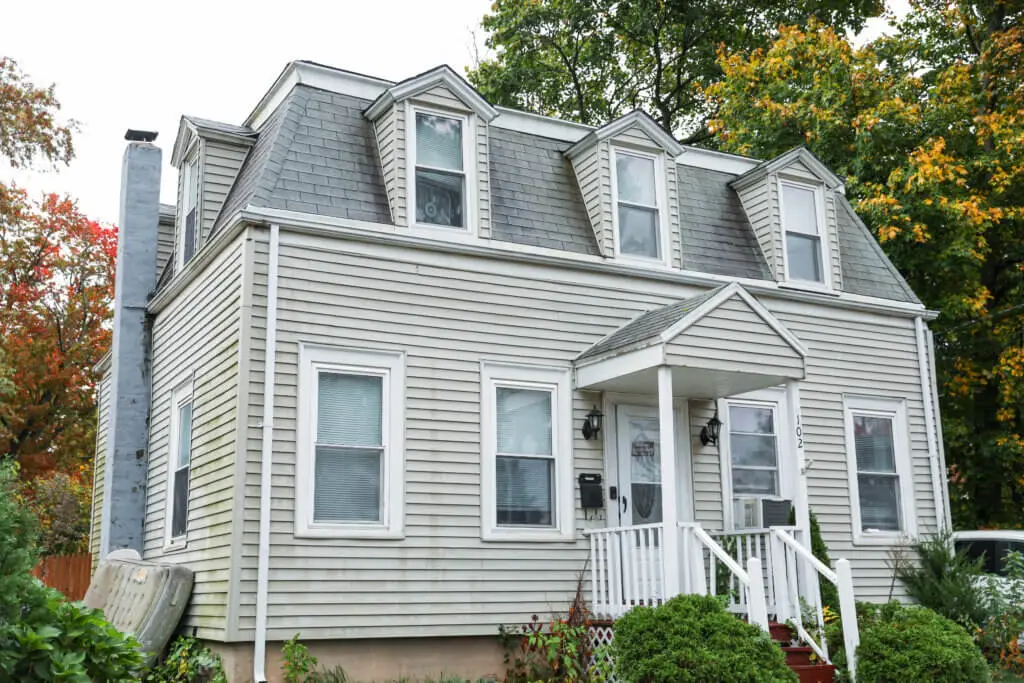
Is It Possible to Install Vinyl Over Wood?
Technically, yes, it is possible to install vinyl siding directly over existing wood siding. However, this is only a viable option if the underlying wood siding is in near-perfect condition. A professional contractor will assess the integrity of the existing structure before recommending this approach.
Structural and Code Considerations
Your home’s framing and sheathing must be strong enough to support the new layer of siding. The added weight of vinyl siding is not substantial, but any existing structural issues in the walls will be exacerbated. You must also ensure that the installation complies with local building codes, which may have specific requirements for sheathing, moisture barriers, and ventilation.
Moisture and Rot Risks
One of the biggest risks of installing vinyl over wood is trapping moisture. If there are any areas of existing rot or water damage, covering them with vinyl will create a sealed environment that will accelerate decay. This is why a thorough inspection is critical before any installation begins.
Pros of Leaving Old Wood in Place
Despite the risks, there are a few reasons why a homeowner might choose this method, provided the underlying wood is sound.
Lower Upfront Cost
The primary advantage is cost savings. By skipping the demolition and disposal of the old siding, you save on labor and landfill fees. This can make the project more affordable and quicker to complete.
Added Insulation Value
Leaving the old siding on can provide an additional layer of thermal protection. Although not a substitute for proper wall insulation, it can contribute a small amount to your home’s overall R-value, potentially leading to minor energy savings.
Cons and Long-Term Concerns
The risks of this approach often outweigh the benefits, leading most professionals to recommend a full tear-off.
Hidden Damage and Pests
The greatest risk is concealing problems. What looks like a healthy section of siding on the surface could be hiding rot, mold, or an active pest infestation underneath. Once these issues are covered, they can spread undetected, causing significant structural damage to your home’s frame.
Uneven Surfaces and Warping
Wood siding is not perfectly flat. Over time, boards can cup, warp, or swell, creating an uneven surface. Installing vinyl over an uneven surface will result in a wavy, unprofessional-looking finish. This detracts from your home’s curb appeal and can even void the vinyl siding manufacturer’s warranty.
When It’s Better to Remove Old Siding
For most homes, a full tear-off is the recommended and safest approach.
Rot or Mold Found
If an inspection reveals any signs of rot, mold, or mildew, the old siding must be removed. This allows the contractor to address the source of the moisture problem, replace damaged sheathing, and ensure the new installation is on a sound, healthy surface.
Preparing for Warranties and Inspections
Manufacturer warranties for vinyl siding often require the product to be installed on a flat, solid substrate. Installing over uneven wood can void this warranty. Furthermore, a full tear-off allows the installer to properly install a new moisture barrier, which is required by many building codes and is essential for preventing future water damage.
FAQs
Does it affect home value?
A professional, well-executed siding job will positively impact your home’s value, regardless of whether you tear off the old siding. However, a “wavy” or visibly flawed installation that results from an uneven sub-surface can have a negative effect on your home’s curb appeal and may raise red flags for potential buyers.
How long will it last?
The lifespan of vinyl siding is typically 20-40 years. However, its longevity is directly tied to the quality of the installation and the condition of the surface it’s installed on. If installed over a compromised wood surface, its lifespan could be significantly shortened by underlying problems.
Considering new siding for your home? Let the experts at Greater Boston Contractors provide a professional evaluation. We’ll ensure your project is done right from the ground up, protecting your investment for years to come.