The kitchen backsplash is a pivotal design element that marries aesthetics with practicality. Beyond its primary role of protecting walls from splashes and spills, the backsplash offers a significant opportunity to infuse style, personality, and visual interest into your kitchen. From subtle textures to bold patterns, the right backsplash can tie together your entire kitchen design, creating a cohesive and inviting atmosphere.
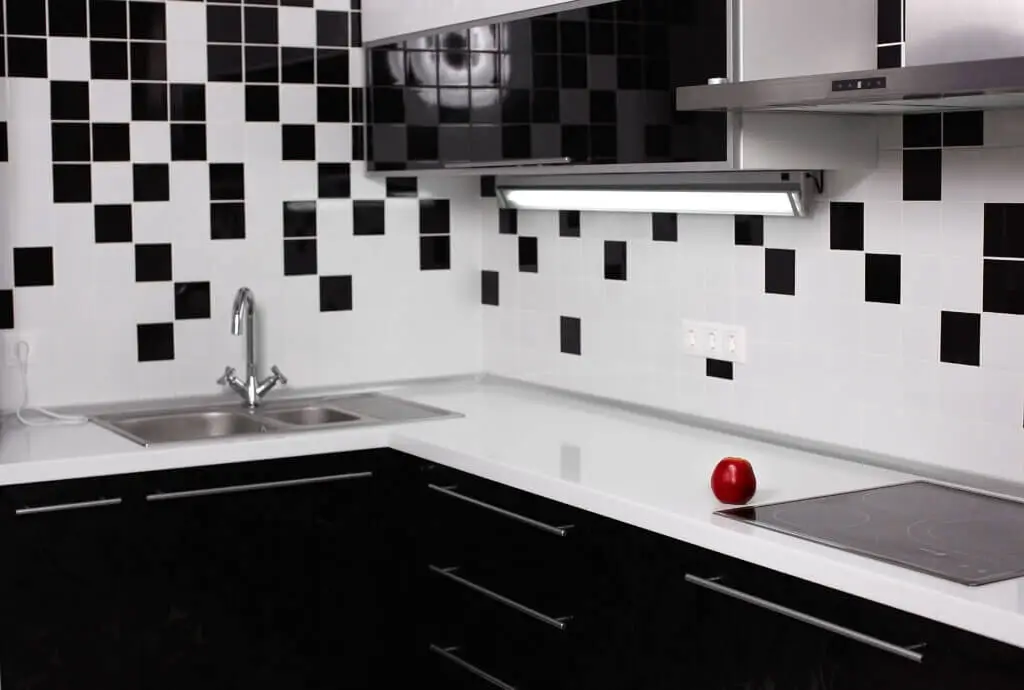
Best materials: Tile, glass, concrete, metal, granite
The material you choose for your backsplash greatly influences its look, durability, and maintenance.
- Tile (Ceramic & Porcelain):
- Description: The most popular and versatile backsplash material. Available in an endless array of colors, shapes, sizes, and patterns. Ceramic is more affordable, while porcelain is denser, more durable, and less porous.
- Pros: Highly versatile, wide range of price points, durable, easy to clean, excellent moisture resistance.
- Cons: Grout lines can accumulate dirt and require sealing (unless using epoxy grout). Installation can be labor-intensive, especially for intricate patterns.
- Best For: Any kitchen style, from traditional to ultra-modern.
- Glass:
- Description: Glass tiles offer a sleek, reflective surface that can brighten a kitchen and create a sense of depth. Available in various sizes, colors, and finishes (frosted, clear, textured).
- Pros: Highly reflective (great for small or dark kitchens), non-porous (very hygienic and easy to clean), modern aesthetic.
- Cons: Can be more expensive than ceramic tile. Can show fingerprints and smudges easily. Some types can chip during cutting.
- Best For: Contemporary, modern, and minimalist kitchens.
- Concrete:
- Description: Offers a modern, industrial, and minimalist aesthetic. Can be poured as a seamless slab or applied as tiles/overlays. Highly customizable in terms of color, texture, and finish.
- Pros: Extremely durable, heat-resistant, unique custom look, seamless options (no grout lines), can be tinted or textured.
- Cons: Requires professional installation. Needs to be properly sealed and re-sealed periodically to prevent staining and etching.
- Best For: Industrial, modern, minimalist, and urban-style kitchens.
- Metal (Stainless Steel, Copper, Tin):
- Description: Metal backsplashes bring an industrial, commercial, or rustic feel. Stainless steel is common, while copper and tin add warmth and character. Can be solid sheets, tiles, or pressed panels.
- Pros: Highly durable, heat-resistant, easy to clean (especially stainless steel), adds a unique texture and sheen. Copper develops a beautiful patina over time.
- Cons: Can show fingerprints and scratches (stainless steel). Copper and tin may require specific cleaning to maintain their look. Can be expensive for custom sheets.
- Best For: Industrial, modern, commercial, rustic, or farmhouse kitchens.
- Granite (Slab or Tile):
- Description: A natural stone known for its durability and unique patterns. Can be used as a full-height slab backsplash (matching the countertop) or as individual tiles.
- Pros: Extremely durable, heat-resistant, adds luxury and elegance, each piece is unique. Full-height slabs create a seamless, high-end look with no grout lines.
- Cons: Can be expensive, especially for full slabs. Requires periodic sealing to maintain stain resistance. Heavy, requiring professional installation.
- Best For: Traditional, transitional, classic, and luxurious modern kitchens.
Trending designs for modern and traditional kitchens
Backsplash trends evolve, offering fresh ways to personalize your kitchen.
- For Modern Kitchens:
- Full-Height Slabs: Extending the countertop material (granite, quartz, marble, or concrete) up the wall to the cabinets or ceiling creates a sleek, seamless, and luxurious look. This minimalist approach emphasizes the beauty of the material itself.
- Large Format Tiles: Larger tiles (e.g., 12×24 inches or even larger) minimize grout lines, contributing to a clean, contemporary aesthetic.
- Subtle Textures: Backsplashes with subtle, tactile textures (e.g., fluted tiles, matte finishes, or slightly irregular handmade tiles) add depth without overwhelming the minimalist design.
- Geometric Patterns (Subtle): While bold geometrics can be traditional, subtle geometric patterns or unique tile shapes (e.g., hexagons, arabesques) in neutral tones can add modern flair.
- Dark and Moody Hues: Deep grays, charcoal, and even black backsplashes can create a dramatic and sophisticated statement, especially when paired with lighter cabinets or natural wood.
- For Traditional Kitchens:
- Classic Subway Tile: Always a timeless choice, especially in white or cream, laid in a traditional brick pattern. Can be updated with a slightly larger size or a handmade look.
- Marble (Carrara, Calacatta): Whether in slab form or classic subway/square tiles, marble adds unparalleled elegance and a luxurious, timeless feel.
- Patterned Ceramic Tiles: Intricate patterns, often with a slightly distressed or hand-painted look, can add charm and character, particularly in farmhouse or Mediterranean-inspired kitchens.
- Beveled Edge Tiles: Subway tiles with a beveled edge add subtle dimension and a more refined look than flat tiles.
- Natural Stone Tiles: Travertine, limestone, or slate tiles in earthy tones can bring warmth and a rustic touch.
Creative layouts: Herringbone, subway, mosaic
The way you arrange your chosen material can dramatically change the backsplash’s impact.
- Subway Pattern (Offset/Brick):
- Description: The most common layout, where rectangular tiles are offset by half their length in each row, mimicking brickwork.
- Aesthetic: Classic, versatile, and timeless. Works well in both traditional and modern kitchens depending on tile choice.
- Herringbone:
- Description: Rectangular tiles are laid in a V-shape pattern, with each tile meeting at a 90-degree angle.
- Aesthetic: Adds visual movement, sophistication, and a touch of elegance. Can make a space feel taller or wider depending on orientation.
- Best For: Adding a dynamic element to both modern and traditional designs.
- Stacked (Straight Stack):
- Description: Tiles are aligned perfectly, one directly above the other, creating clean, straight grout lines.
- Aesthetic: Modern, minimalist, and clean. Emphasizes the tile’s shape and color.
- Best For: Contemporary kitchens with a streamlined look.
- Basket Weave:
- Description: Small rectangular tiles are arranged in pairs to create a woven, basket-like effect.
- Aesthetic: Adds texture and a classic, intricate detail, often seen in traditional or vintage-inspired designs.
- Diagonal:
- Description: Square tiles are rotated 45 degrees, creating a diamond pattern.
- Aesthetic: Can make a small space feel larger and adds a dynamic, less conventional look.
- Mosaic Patterns:
- Description: Small tiles (often glass, stone, or ceramic) are pre-arranged on mesh sheets to form intricate patterns, images, or blends of colors.
- Aesthetic: Can create a stunning focal point, add vibrant color, or introduce complex designs.
- Best For: Feature areas, or adding a unique artistic touch.
Matching backsplash with countertops and cabinets
The backsplash should complement, not compete with, your countertops and cabinets.
- Identify the Focal Point: Decide which element you want to be the “star” of your kitchen.
- Busy Countertops (e.g., highly veined granite/marble): Pair with a simple, solid-colored backsplash (e.g., white subway tile, a plain slab) to allow the countertop to shine.
- Statement Backsplash (e.g., bold pattern, unique texture): Keep countertops and cabinets more subdued and neutral to avoid overwhelming the space.
- Color Harmony:
- Match Undertones: Ensure the undertones (warm or cool) of your backsplash, countertops, and cabinets align. Warm tones (creams, browns, golds) pair well together, as do cool tones (grays, blues, greens).
- Pull Colors from Countertops: Select a backsplash color that is already present in the veining or flecks of your granite or quartz countertops.
- Contrast vs. Blend: You can choose a backsplash that blends seamlessly with your countertops for a cohesive look, or one that contrasts to add visual interest. A lighter backsplash can brighten a kitchen, while a darker one adds depth.
- Material and Finish Balance:
- Mix Textures: If your cabinets are smooth and modern, a textured backsplash can add depth. If your countertops are highly polished, a honed or matte backsplash can provide a pleasing contrast.
- Material Compatibility: Natural stone backsplashes often pair well with natural stone countertops. Glass or metal backsplashes complement sleek, modern cabinets and engineered countertops.
- Bring Samples Home: Always test samples of your chosen backsplash material against your existing or new cabinets and countertops in various lighting conditions (daylight, evening, under-cabinet lighting) before making a final decision.
Low-maintenance backsplash options
For busy households or those who prefer minimal upkeep, certain backsplash materials excel in ease of cleaning.
- Slab Backsplashes (Granite, Quartz, Marble, Porcelain):
- Why Low-Maintenance: The biggest advantage is the absence of grout lines. This eliminates the primary area where dirt, grease, and mold tend to accumulate. A seamless slab is incredibly easy to wipe clean.
- Considerations: While the material itself is easy to clean, natural stone slabs (granite, marble) still require periodic sealing to maintain their stain resistance. Quartz and porcelain slabs are non-porous and generally don’t require sealing.
- Glass Tile:
- Why Low-Maintenance: Glass is non-porous, making it highly resistant to stains and very easy to wipe clean.
- Considerations: While the tile itself is low-maintenance, the grout lines still exist. Opt for larger glass tiles to minimize grout, or consider epoxy grout which is stain-resistant and doesn’t require sealing.
- Large Format Porcelain Tile:
- Why Low-Maintenance: Porcelain is very dense and has low porosity, making it highly resistant to stains and moisture. Using large format tiles significantly reduces the number of grout lines, simplifying cleaning.
- Considerations: Still has grout lines, but fewer than smaller tiles.
- Stainless Steel:
- Why Low-Maintenance: A non-porous, smooth surface that wipes clean easily.
- Considerations: Can show fingerprints and smudges, requiring frequent wiping to maintain a pristine look.
- Epoxy Grout:
- Why Low-Maintenance: If you choose a tiled backsplash, using epoxy grout (instead of traditional cementitious grout) is a game-changer for low maintenance. Epoxy grout is non-porous, highly stain-resistant, and doesn’t require sealing. It’s ideal for high-splatter areas like behind the stove.
- Considerations: More expensive than traditional grout and can be more challenging to work with during installation.
By carefully considering your lifestyle, aesthetic preferences, and maintenance tolerance, you can select a backsplash that not only protects your walls but also becomes a beautiful and functional centerpiece of your kitchen.
Ready to find the perfect backsplash for your kitchen? Greater Boston Contractors offers expert design and installation services for all types of kitchen backsplashes, ensuring a stunning and durable finish that complements your home. Contact us today for a free consultation and let’s bring your kitchen vision to life!