Choosing the right flooring is one of the most impactful decisions you can make during a home remodel. It dictates the aesthetic flow, comfort, and long-term maintenance of your living space. Two of the most popular options on the market today are Luxury Vinyl Plank (LVP) and Hardwood Flooring.
At Greater Boston Contractors, we install both materials frequently. Each has distinct advantages depending on your lifestyle, budget, and design goals.
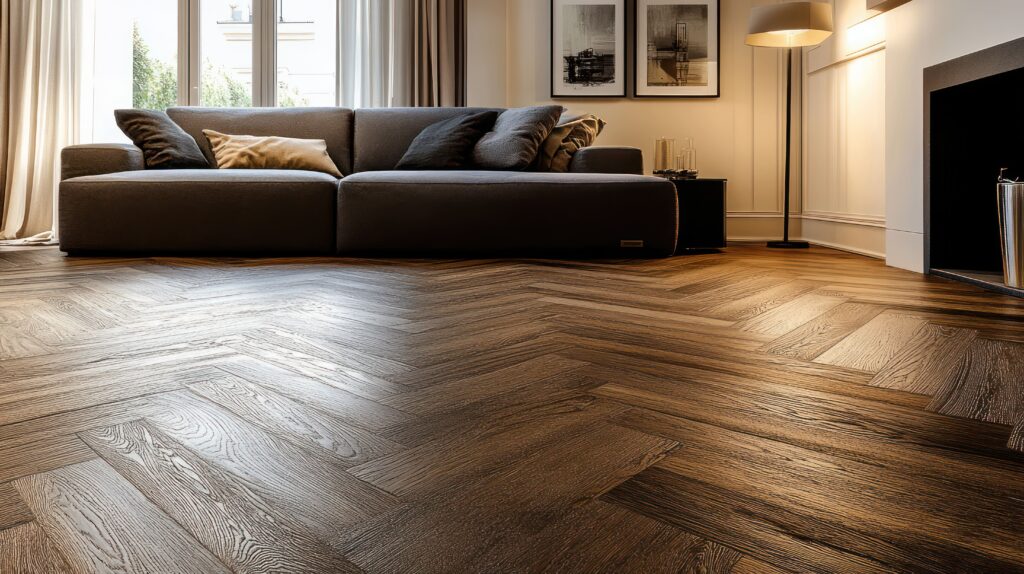
Quick Answer: Is LVP or Hardwood Better?
Neither is objectively “better”—the right choice depends entirely on your priorities:
- Choose Luxury Vinyl Plank if: You prioritize water resistance, durability, and budget. It is the ideal solution for households with active pets, young children, or for installation in moisture-prone areas like basements and bathrooms.
- Choose Hardwood if: You prioritize timeless aesthetics, long-term durability, and maximum resale value. It is the gold standard for living rooms, dining rooms, and bedrooms where warmth and character are paramount.
What Is Luxury Vinyl Plank Flooring?
Luxury Vinyl Plank (LVP) is a multi-layer synthetic flooring product designed to mimic the look of natural wood. It typically consists of a waterproof core layer, a printed design layer featuring high-definition wood grain visuals, and a protective wear layer on top.
Modern LVP often features an embossed texture that aligns with the visual grain, making it look and feel remarkably like real timber while remaining entirely impervious to water.
What Is Hardwood Flooring?
Hardwood flooring consists of solid planks milled from a single piece of timber (such as oak, maple, hickory, or walnut) or engineered layers of wood bonded together. It is a natural product that brings organic warmth, unique character, and structural longevity to a home.
Hardwood is prized for its ability to be sanded down and refinished multiple times over decades, effectively allowing it to last for the lifetime of the house.
LVP vs. Hardwood: Key Differences
Understanding how these materials stack up across critical categories will help clarify which aligns best with your project.
| Feature | Luxury Vinyl Plank (LVP) | Hardwood Flooring |
| Cost | Moderate ($3–$7 per sq. ft. installed) | High ($8–$15+ per sq. ft. installed) |
| Durability | Highly resistant to scratches and dents | Susceptible to scratches and dents |
| Water Resistance | 100% Waterproof | Low (warps and stains when wet) |
| Maintenance | Simple sweeping and damp mopping | Sweeping and specialized wood cleaner |
| Lifespan | 10–20 years | 50–100+ years (can be refinished) |
| Resale Value | Neutral to positive | High positive return on investment |
1. Cost
LVP is significantly more affordable, both in terms of material costs and labor. Because it often utilizes a “click-lock” floating installation method, it can be installed quickly over existing subfloors. Hardwood requires a higher initial investment due to the cost of raw lumber, professional installation, and finishing.
2. Durability and Maintenance
LVP features a tough, transparent wear layer that protects it from heavy foot traffic, UV fading, and minor scratches. It is incredibly low-maintenance. Hardwood, while durable, is a softer natural material. It will accumulate “character marks” like dents and scratches over time, requiring periodic refinishing to restore its pristine look.
3. Water Resistance
This is the biggest differentiator. LVP can handle standing water, spills, and high humidity without structural compromise. Hardwood is highly sensitive to moisture; standing water will cause it to warp, cup, or rot, making it a risky choice for full bathrooms or flood-prone basements.
4. Appearance and Resale Value
While high-end LVP looks great, it cannot perfectly replicate the depth, variation, and prestige of authentic wood. Hardwood adds tangible financial value to a home. In the eyes of real estate appraisers and future buyers, solid hardwood is a premium asset that elevates the entire property.
Best Rooms for Each Material
Strategic placement allows you to leverage the unique benefits of both materials within the same home.
Ideal Spaces for Luxury Vinyl Plank:
- Basements: Where concrete subfloors and humidity make wood risky.
- Bathrooms and Laundry Rooms: Where water spills are inevitable.
- Mudrooms and Entryways: Where wet boots and outdoor debris enter the home.
Ideal Spaces for Hardwood Flooring:
- Living Rooms and Family Rooms: Where comfort, acoustics, and visual warmth matter most.
- Dining Rooms: Where it serves as a beautiful, formal foundation.
- Hallways and Bedrooms: Where it provides a smooth, clean transition between private spaces.
Which Flooring Is Better for Families and Pets?
If you have a busy household with large dogs or small children, Luxury Vinyl Plank is the practical winner.
Large dogs with untrimmed nails can quickly destroy a soft hardwood floor like pine or walnut. Furthermore, if a child spills a drink or tracks in mud, you can wipe LVP clean without worrying about liquid seeping into the seams. While hardwood can technically be scratched and stained, many families accept this as part of the “lived-in” charm of real wood.
How to Choose the Right Flooring for Your Remodel
When sitting down to finalize your choice, ask yourself these three questions:
- How long do you plan to stay in the home? If you are flipping the house or moving in 3–5 years, LVP provides a great look at a lower cost. If this is your “forever home,” the longevity of hardwood is worth the investment.
- What is your tolerance for maintenance? If you want a “set it and forget it” floor that looks the same in 10 years as it does today, choose LVP. If you appreciate the evolving patina of natural materials, choose hardwood.
- What is the baseline value of the neighborhood? In high-end real estate markets, buyers expect hardwood. Installing LVP in a luxury home can sometimes feel like a downgrade that impacts your ability to sell quickly.
At Greater Boston Contractors, we often design hybrid layouts. We install durable LVP in the high-traffic entryways and lower levels, while running rich, site-finished hardwood through the main living areas and upper floors.
FAQ
Is luxury vinyl plank better than hardwood?
“Better” is subjective. LVP is better for moisture resistance, budget-friendliness, and scratch resistance. Hardwood is better for aesthetics, environmental sustainability, and long-term resale value.
Does LVP lower home value?
No, installing high-quality LVP does not lower your home’s value compared to old, worn-out flooring. However, it does not add as much premium value as solid hardwood would in a high-end market.
Is hardwood worth the extra cost?
For many homeowners, yes. Hardwood can last for over a century and can be refinished to change its color or erase decades of wear. It is a one-time investment that pays off over the lifespan of the home.
Which flooring is better for kitchens?
LVP is technically safer for kitchens because it is waterproof. However, hardwood is frequently used in kitchens for a seamless look, provided that spills are wiped up immediately and the finish is well-maintained.
What flooring is best for pets?
Luxury Vinyl Plank is widely considered the best choice for pet owners due to its extreme resistance to scratches, accidents, and moisture.
Ready to choose the perfect floors for your home?
At Greater Boston Contractors, we don’t just lay down material—we help you engineer the perfect foundation for your lifestyle. Whether you are leaning toward the practical resilience of LVP or the timeless elegance of hardwood, our team ensures precision installation that stands the test of time.
Click here to contact Greater Boston Contractors today to schedule your consultation and get a precise estimate for your flooring project!