Every home eventually reaches a point where its best years are behind it. While regular maintenance can extend the life of your property, there comes a time when “patching” is no longer enough. Knowing the difference between a minor repair and a major renovation can save you thousands of dollars in the long run and protect your home’s structural integrity.
Roy Construction Inc
At Greater Boston Contractors, we often help homeowners identify the tipping point—the moment when a renovation isn’t just a luxury, but a necessity to maintain safety, efficiency, and value.
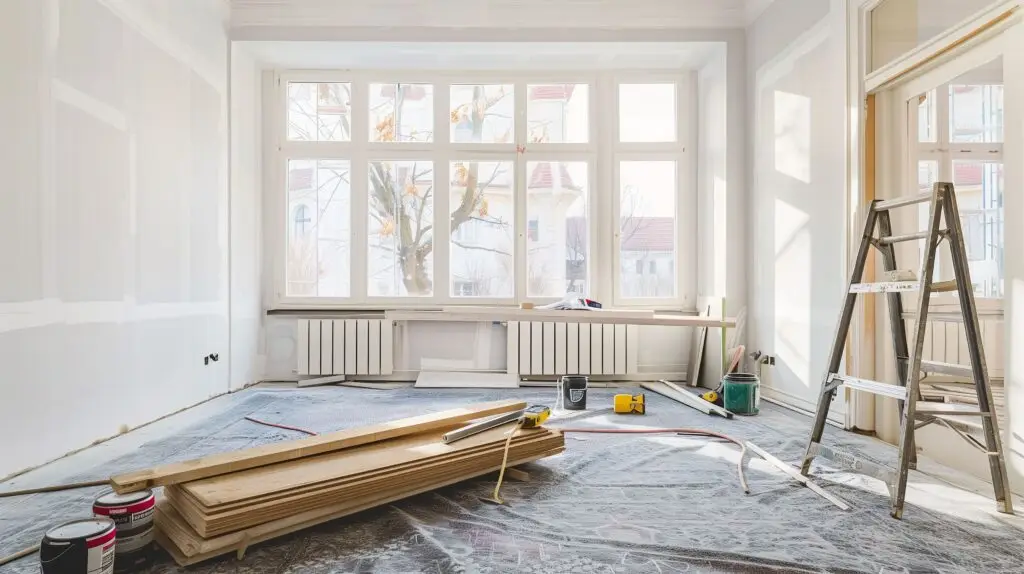
When Is It Time to Renovate a Home?
It’s rarely just one thing; it’s usually a combination of factors signaling that your home is no longer serving its purpose:
- Functionality Gaps: Your home should adapt as you do. If your floor plan feels restrictive, dark, or inefficient for your daily routine, the layout is officially outdated.
Inside Stories - System Fatigue: If you are constantly calling for repairs on electrical, plumbing, or HVAC systems, they have reached the end of their service life.
- Persistent Damage: When structural or exterior issues (like water leaks) keep recurring despite your best efforts to repair them, you have a systemic problem.
- Lifestyle Shifts: A growing family, working from home, or changing accessibility needs can quickly turn a once-perfect home into a source of frustration.
Inside Stories
Structural and Safety Signs to Watch For
Some signs are non-negotiable. If you see these, it is time to consult a professional immediately:
- Water Intrusion: Stains on ceilings, warping floors, or musty basement smells indicate active leaks or moisture buildup that can lead to rot and toxic mold.
About Homes - Foundation Issues: Cracks wider than 3/16 of an inch (if a pencil fits, it’s too big) or doors and windows that suddenly stick are signs of shifting.
Aspioneer - Roof Deterioration: Curled, brittle, or missing shingles combined with interior leaks mean the home’s “first line of defense” has failed.
- Outdated Electrical: Flickering lights, warm outlets, or frequently tripped breakers are serious fire hazards, especially in homes built before 1970.
Stellar Construction
Layout Signs Your Home Needs Remodeling
Modern life requires a different flow than homes built decades ago:
- Traffic Bottlenecks: If your kitchen, dining, and living areas feel disconnected, you are likely losing valuable natural light and ease of movement.
Home Renew 360 - Storage Deficits: Constant clutter is often not a “housekeeping issue”—it’s a storage layout issue.
Westlake Royal Building Products - Closed-Off Spaces: If you find yourself avoiding certain rooms because they feel dark, stuffy, or unusable, it’s a sign that the room’s design is failing to support your life.
Home Renew 360
Cosmetic Signs That Affect Home Value
While cosmetic, these features significantly impact “curb appeal” and resale value:
- Worn Flooring: Scratched hardwood, peeling vinyl, or stained carpets aren’t just ugly—they can become tripping hazards.
Kova Interiors – UK.COM - Dated Kitchens & Baths: These are the rooms that sell homes. If yours feel “stuck in another era,” they are likely the biggest drain on your home’s equity.
- Old Finishes: Dated wallpaper, popcorn ceilings, and old cabinetry can make a perfectly sound home feel uninspiring and heavy.
Kova Interiors – UK.COM
Renovation vs. Repair: How to Decide
- When Repairs Are Enough: Use repairs for isolated incidents—a single broken tile, a leaky faucet, or a minor fence repair. If the house is fundamentally sound and just needs maintenance, stick to repairs.
- When Remodeling Makes Sense: Choose a renovation when the cost of ongoing, temporary repairs exceeds the value of a permanent upgrade. If you are fixing the same plumbing pipe for the third time or patching a roof that is structurally sagging, you are just throwing money away. A major renovation addresses the root cause rather than the symptom.
About Homes+ 1
FAQ
How do I know if my house needs renovation?
Look for “persistent” problems. If a fix doesn’t last, or if the layout of your home is actively making your daily life difficult or cramped, it’s time to move from maintenance to remodeling.
What should you renovate first?
Always prioritize safety and structure first (roof, foundation, electrical, plumbing). Once the “skeleton” of your home is sound, move on to high-impact areas like kitchens and bathrooms.
Is it better to renovate all at once or in phases?
A master plan is essential either way. Doing it all at once saves money on labor and permits and ensures a cohesive design. Phasing helps with budgeting but can lead to higher long-term costs if you have to repeatedly pay for setup, cleanup, and site management.
Phoenix Home & Garden
What problems should not be ignored?
Anything involving water (leaks, mold, rot) or electricity (flickering, burning smells) is an emergency. These will never fix themselves and will only get exponentially more expensive the longer you wait.
When is remodeling better than moving?
If you love your neighborhood, have a good mortgage rate, or the cost of moving (closing costs, agent fees, moving expenses) is higher than the investment needed to make your home perfect, remodeling is usually the smarter financial move.
Is your home trying to tell you something? Don’t wait for a small issue to become a major structural crisis. At Greater Boston Contractors, we can help you assess the health of your home and plan a renovation that builds value and restores comfort.
Contact Greater Boston Contractors today for a professional home assessment!