Your home’s flooring is the most “worked” surface in your house. From the pitter-patter of pet paws to heavy foot traffic, dirty boots, and accidental spills, your floors need to be more than just aesthetically pleasing—they need to be resilient. At Greater Boston Contractors, we often guide homeowners toward materials that offer the perfect balance between style, longevity, and ease of maintenance.
Here is the professional breakdown of the best flooring options to stand up to the daily grind of a busy household.
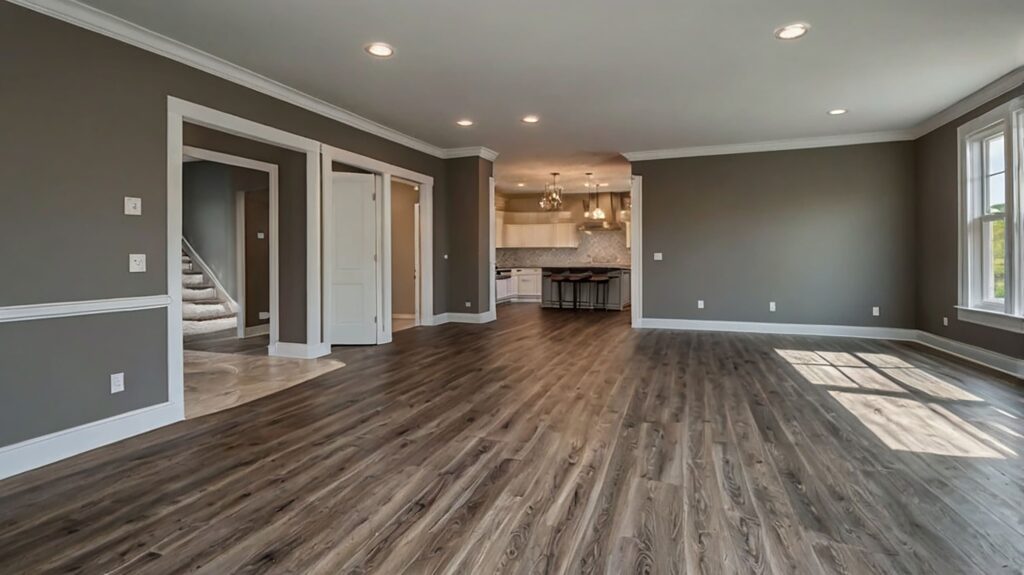
What Makes Flooring Good for High-Traffic Areas?
Before picking a color or style, evaluate these five critical performance metrics:
- Durability: The floor’s ability to withstand high volume, constant movement, and daily wear without denting.
- Scratch Resistance: Essential for households with pets or children using toys on the floor.
- Water Resistance: Vital for areas prone to spills or mud, such as kitchens and entryways.
- Maintenance: How much effort does it take to keep clean? High-traffic areas should never require “high-maintenance” care.
- Comfort & Noise Control: Busy homes can be loud; choosing materials that absorb sound—or provide comfort underfoot—makes a massive difference.
Best Flooring Materials for Busy Homes
These materials are the top contenders for homes that refuse to slow down:
- Luxury Vinyl Plank (LVP): The current “king” of high-traffic flooring. It is 100% waterproof, incredibly scratch-resistant, and comes in visuals that mimic real hardwood with extreme realism.
- Porcelain Tile: Extremely hard, durable, and resistant to almost everything. Perfect for kitchens and entryways.
- Engineered Hardwood: Offers the beauty of natural wood with a cross-ply construction that is more stable and moisture-resistant than traditional solid hardwood.
- Laminate Flooring: Modern laminate has come a long way. Many options are now water-resistant and feature high-durability wear layers that handle heavy foot traffic well.
- Natural Stone: Materials like slate or granite are virtually indestructible, though they require periodic sealing to stay stain-proof.
- Hardwood with Durable Finish: If you love the look of real wood, choose solid hardwood but finish it with a high-durability, commercial-grade polyurethane to protect the grain.
Best Flooring by Room
- Entryways & Mudrooms: Porcelain tile or natural stone are best here, as they handle mud, grit, and moisture without damaging the underlying structure.
- Kitchens: LVP or porcelain tile. These are water-resistant and can handle dropped dishes or food spills without long-term damage.
- Hallways: LVP or durable hardwood. These high-traffic paths need materials that won’t show “wear patterns” easily.
- Family Rooms: Engineered hardwood or LVP. You want something that feels warm and comfortable for lounging but stands up to daily activity.
- Basements: LVP is the gold standard for basements due to its superior moisture resistance and ability to withstand concrete subfloor conditions.
Flooring Materials to Be Careful With
Some materials look beautiful but aren’t built for high-traffic “war zones”:
- Soft Woods: Pine or fir will dent the moment a heavy object hits them.
- Carpet in Moisture-Prone Areas: Carpet in mudrooms or kitchens is a breeding ground for mold and stains.
- Unsealed Natural Materials: Any natural stone or wood left unsealed will absorb oils, dirt, and moisture, leading to permanent discoloration.
How to Choose Flooring for Kids, Pets, and Entertaining
- Prioritize “Wear Layers”: In vinyl or laminate, look for the thickest wear layer (measured in mils).
- Texture Matters: Smooth, glossy floors show every single scratch and paw print. A slightly textured or “matte” finish hides dirt and scratches significantly better.
- Check Slip Resistance: If you have elderly family members or energetic pets, look for porcelain tiles or vinyl planks with a high-rated slip-resistant texture.
FAQ
What flooring lasts the longest?
Porcelain tile and high-quality natural stone generally outlast every other option. They are virtually immune to the wear-and-tear that ruins wood or vinyl over time.
What is the best flooring for heavy foot traffic?
Luxury Vinyl Plank (LVP) is widely considered the best overall. It combines extreme durability with a price point that makes it replaceable if you ever want a change.
Is vinyl plank better than laminate?
In most high-traffic scenarios, yes. LVP is fully waterproof, whereas even water-resistant laminates can suffer from swelling if water sits on the seams for too long.
What flooring is best for kitchens?
Porcelain tile or LVP. Both handle spilled water, dropped heavy pans, and constant cleaning better than any wood product.
What flooring is best for pets?
LVP and scratch-resistant engineered hardwood. They resist nail marks, are easy to clean when accidents happen, and don’t trap pet dander like carpet does.
Ready to upgrade your floors to handle your busy lifestyle? At Greater Boston Contractors, we specialize in professional flooring installation, ensuring your new floors are prepped, laid, and finished to survive the busiest homes.
Contact Greater Boston Contractors today to request a quote for your flooring renovation!