In the modern American home, the “open concept” layout has many benefits, but it often lacks a dedicated space for quiet reflection. A well-designed reading nook serves as a functional retreat that maximizes underutilized square footage while adding architectural character to your property.
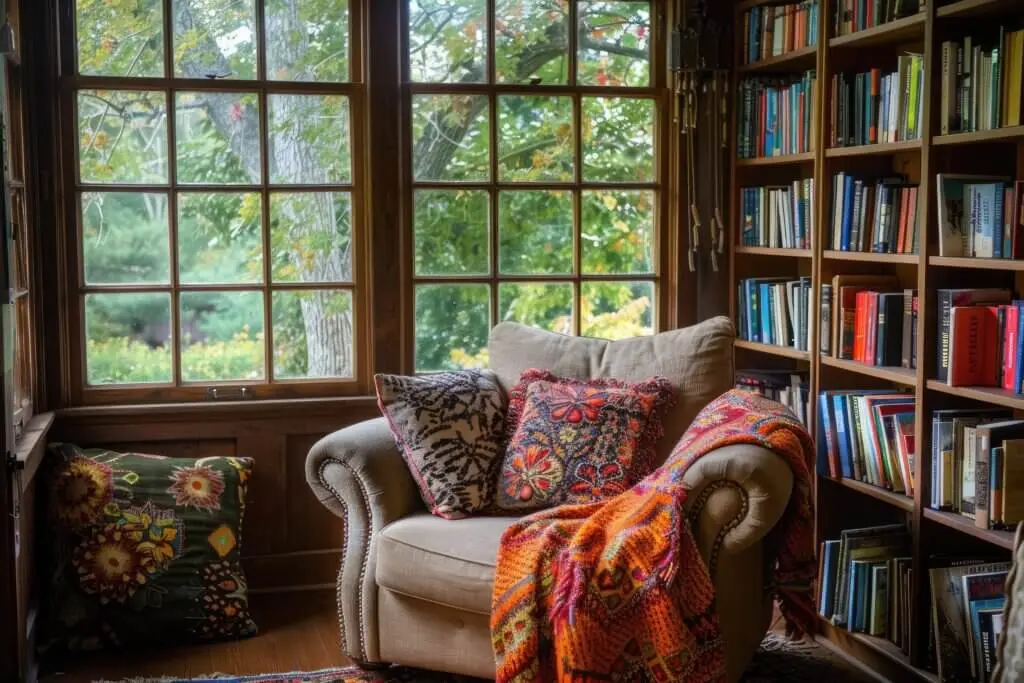
Quick Answer: Small Spaces Can Become Perfect Reading Corners
You do not need an entire room to create a sanctuary. In fact, some of the most successful reading nooks are carved out of “dead space”—areas like the end of a hallway, the gap under a staircase, or a deep window sill. The key to a successful nook is creating a sense of “enclosure” that mentally separates the user from the high-traffic areas of the home.
Why nooks improve comfort and usability
Psychologically, human beings are drawn to “prospect and refuge” spaces—small, protected areas where we can see out into a room but feel tucked away. By defining a specific zone for reading, you reduce distractions and improve ergonomic support, ensuring that a quick 10-minute break can turn into an hour of deep focus.
Popular Places for Reading Nooks
When we consult with homeowners on renovations, we look for architectural “opportunities” that are currently serving no purpose.
Under staircases
The triangular void beneath a staircase is often wasted space or a cluttered closet. By opening this area, we can install a custom-built bench with integrated pull-out drawers. This creates a “Harry Potter” style retreat that is both cozy and efficient, utilizing the structural slope as a natural backrest.
Window corners
Transforming a standard window into a “Bay Window” or a “Box Bay” allows for a deep ledge. A window seat not only provides a place to read but also brings in maximum natural light (Vitamin D), which is essential for eye health during long reading sessions.
Spare bedrooms or hallways
If a hallway is wider than the standard 36 inches, it can often accommodate a shallow “wall-hugger” bench. Similarly, a corner of a guest bedroom can be transformed using a floor-to-ceiling bookshelf that wraps around a comfortable armchair, creating a “library feel” without needing a dedicated library room.
Design Elements That Matter
A professional-grade nook is defined by the details. To move beyond a simple “chair in a corner,” consider these three pillars of design:
Seating and cushions
- Depth: For a bench, a minimum depth of 24 inches is standard, but 30 inches allows for “curling up.”
- Upholstery: In high-traffic homes, we recommend performance fabrics (like Sunbrella or Crypton) that resist fading from window sunlight and are easy to clean.
- Foam Density: Use high-resiliency (HR) foam for the base cushion to prevent “bottoming out” against the wooden frame.
Built-in shelving
The most functional nooks have books within arm’s reach.
- Recessed Shelving: If you are opening up a wall, consider “stud-bay” shelving—building the shelves into the wall cavity to save floor space.
- Integrated Tech: Modern nooks should include a recessed outlet with USB-C charging ports for e-readers and tablets.
Lighting choices
Natural light is best, but a nook must be usable at night.
- Task Lighting: A wall-mounted “swing-arm” sconce is superior to an overhead light because it focuses illumination directly on the page without creating glare on the reader’s eyes.
- Dimmers: Always install dimmable switches to transition the space from a bright morning study to a warm, cozy evening retreat.
Built-In vs Freestanding Reading Nooks
Depending on your budget and long-term goals, there are two primary paths:
Custom carpentry options
Built-ins are permanent architectural features. They are designed to match the existing crown molding, baseboards, and paint of your home.
- Pros: Increases home value, maximizes odd-shaped spaces, and provides the most “seamless” look.
- Cons: Higher initial investment and requires professional installation.
Budget-friendly alternatives
If a full renovation isn’t in the cards, you can “simulate” a built-in look.
- The IKEA Hack: Many homeowners use modular shelving units (like the Billy or Kallax series) and place a cushioned bench between them.
- Corner Groupings: A high-back “wingback” chair paired with a small ottoman and a floor lamp can define a zone effectively.
FAQs
How much space do you need for a reading nook?
At a minimum, you need a space approximately 3 feet wide by 4 feet deep. If you are building a bench for reclining, aim for a length of at least 5 feet.
Are built-in nooks worth it?
From a lifestyle perspective, absolutely. From a resale perspective, they are considered “high-end” features that differentiate a home in a competitive market. They transform “awkward” floor plans into “bespoke” design features.
Can reading nooks add home value?
Yes. Custom built-ins are often categorized under “storage and organization.” In American real estate, maximizing storage while adding a lifestyle “vibe” (like a cozy library) increases the perceived quality of the home.
At Greater Boston Contractors, we specialize in identifying the hidden potential within your home’s footprint. Whether it’s a custom-built window seat with hidden storage or a sophisticated library corner under your stairs, our master carpenters bring precision and style to every project. Let us help you create the quiet retreat you’ve always wanted. Reach out today for a design consultation.