When homeowners ask if wood siding is “better” than vinyl, the answer is rarely a simple yes or no. Instead, it is a choice between a high-performance natural material that requires active stewardship and a synthetic solution designed for maximum convenience. In the United States, this decision often shapes the home’s character for decades.
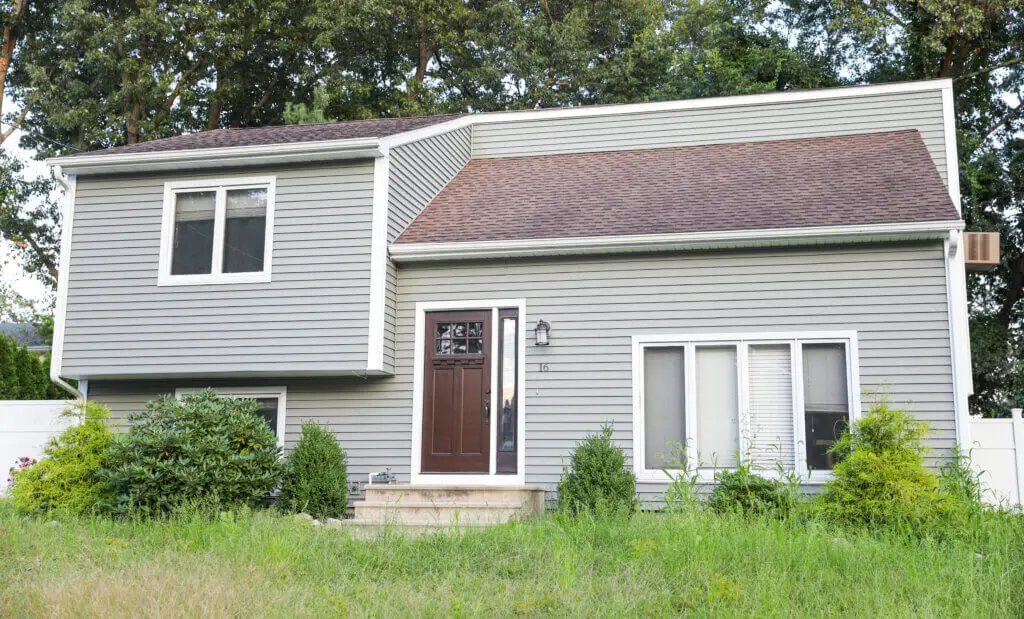
Quick Answer: “Better” Depends on Maintenance Tolerance
The definition of “better” shifts based on how much time and money you are willing to invest in your home’s exterior after the installation is complete.
Wood can last a long time with proper care
Wood is a legacy material. When properly treated, stained, and maintained, wood siding can outlast almost any synthetic alternative. It offers a level of structural rigidity and “breathability” that many homeowners prefer. However, its longevity is directly tied to the homeowner’s diligence; neglect wood, and it will fail rapidly.
Vinyl is often chosen for low upkeep
Vinyl is the dominant choice for those who view their home as a place of rest rather than a project. It eliminates the need for the “scrape and paint” cycle that defines wood ownership. For the average American homeowner, the “better” material is the one that doesn’t require a professional paint crew every five years.
Performance Comparison (What People Ask Most)
Moisture, rot, and pests
- Wood: Natural wood is organic, meaning it is a food source for termites and carpenter ants. It is also susceptible to rot if moisture penetrates the finish. To mitigate this, wood must be sealed on all sides.
- Vinyl: Being a plastic (PVC) product, vinyl is entirely immune to rot and insect damage. However, if improperly installed, moisture can get behind the vinyl, affecting the wooden sheathing of the house without being visible to the eye.
Weather and seasonal expansion
- Wood: Wood expands and contracts with humidity. Over years, this movement can cause paint to crack or “check,” requiring touch-ups.
- Vinyl: Vinyl expands and contracts significantly with temperature changes. It is installed “hung” on nails rather than nailed tight, allowing the panels to slide. If nailed too tightly, vinyl will buckle or warp in the summer heat.
Repairability vs. panel replacement
- Wood: If a piece of wood siding is damaged by a storm or a localized impact, it is easily patched with wood filler or a single board replacement that can be painted to match perfectly.
- Vinyl: Vinyl is difficult to “patch.” If a panel cracks, you usually have to replace the entire length. The challenge is color matching; because the existing siding has likely faded from the sun, a brand-new panel will often stand out as a different shade.
Total Cost of Ownership
Upfront installation vs. repainting cycles
The financial gap between these two materials widens over time.
- Initial Cost: Wood (specifically premium Cedar or Redwood) is significantly more expensive to purchase and requires more skilled labor to install.
- The 15-Year Horizon: By the 15-year mark, a wood-sided home will likely have required two full professional paint or stain jobs, adding thousands of dollars to the total investment. Vinyl, meanwhile, will have cost nearly $0 in maintenance beyond a few hours of power washing.
ROI and resale considerations
Wood siding is often viewed as a “premium” feature in real estate listings. In high-end markets, wood can provide a higher Return on Investment (ROI) because it appeals to buyers looking for “authentic” materials. Vinyl provides a high ROI in the mid-range market because buyers appreciate the lower future carrying costs of the home.
Best Use Cases
Owners who want classic character
Wood is the best choice for:
- Historical Renovations: Where architectural accuracy is paramount.
- Custom Homes: Where the homeowner wants a specific, unique stain color or a rustic “lodge” aesthetic.
- Environmentalists: Wood is a renewable resource and biodegradable.
Owners who want “set it and forget it” maintenance
Vinyl is the best choice for:
- Rental Properties: Where minimizing ongoing maintenance costs is vital for cash flow.
- Busy Families: Who prefer to spend their weekends and maintenance budget on other activities.
- Budget-Conscious Builds: Where the goal is to get the most “curb appeal” for the lowest possible price.
FAQs
Can wood siding last 50+ years?
Yes. In many parts of the U.S., there are historic homes with wood siding that is over 100 years old. The secret is consistent painting and ensuring that the home has a proper drainage plane to prevent water from sitting against the wood.
Does vinyl trap moisture?
Vinyl itself does not “trap” moisture because it is designed to be a vented system. Most vinyl panels have “weep holes” at the bottom to allow condensation to escape. However, if the house wrap underneath is poorly installed, moisture can become trapped against the home’s structure.
Which is better for New England weather?
Both are common in the Northeast. Wood is traditional in New England and handles the extreme temperature swings well without becoming as brittle as cheap vinyl. However, because of the high salt content in coastal New England air and the heavy snow, many homeowners are switching to high-quality “insulated vinyl” or fiber cement to avoid the constant need for repainting caused by the harsh climate.
Make the Right Choice for Your Home’s Future.
Your siding is your home’s first line of defense against the elements. Whether you prefer the timeless, organic beauty of real wood or the modern, stress-free performance of vinyl, professional installation is the key to longevity.
Contact Greater Boston Contractors today to speak with a siding specialist. We can provide a comprehensive assessment of your home’s needs and a free estimate to help you decide which material fits your lifestyle and budget!