Renovating a bathroom in an old house requires a delicate balance: you want the comfort and efficiency of a modern space, but you must honor the historical character and address the unique structural quirks of the building. This guide offers strategies for creating a timeless, functional bathroom that pays tribute to its heritage.
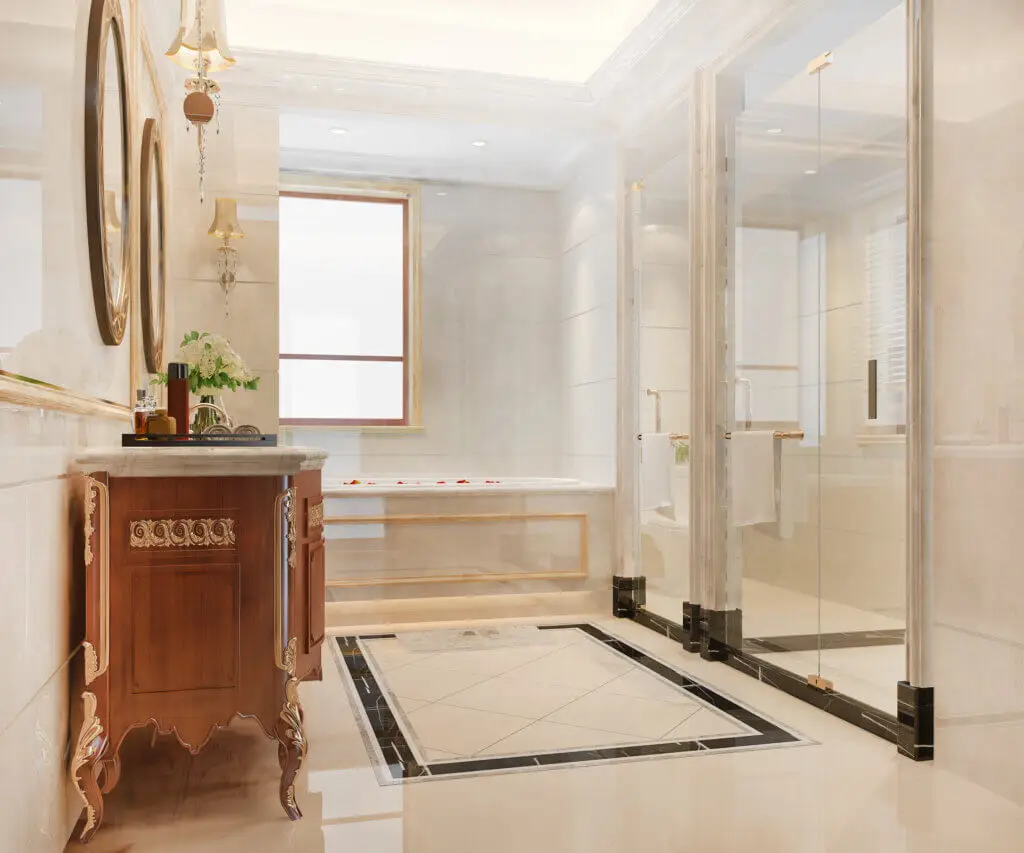
Preserving Character While Updating Functionality
The best renovations are those that look like they’ve always been there. The goal is to update the systems you can’t see while preserving the finishes you can.
Respect Original Architecture and Finishes
Before demolition, assess what architectural details are salvageable or worth replicating.
- Original Millwork: Preserve and restore original door casings, window trim, and baseboards. If they are damaged, use a profile matching tool to find replacement lumber that duplicates the original shape.
- Layout Preservation: If the current footprint works, avoid moving walls, windows, or the main fixture layout (toilet, sink, shower). Changing the location of plumbing fixtures is one of the most expensive and labor-intensive parts of an old home renovation.
- Flooring: If the original tile is damaged beyond repair, consider salvaging a small area to use as a decorative accent or border, and replace the main floor with a historically sympathetic pattern.
Replace Outdated Plumbing and Fixtures
Safety and efficiency are paramount, especially regarding unseen systems.
- Pipes: Older homes often contain galvanized steel or cast iron drain pipes, which degrade over time, leading to blockages and rust-colored water. It is highly recommended to upgrade all supply lines (to PEX or copper) and drain lines (to PVC) while the walls are open.
- Water Pressure and Volume: Install new, high-quality, modern valves for showers and tubs. While keeping the look of classic faucets, ensure the internal workings are new to guarantee good water pressure and reliable temperature control.
- Low-Flow Toilets: Replacing a bulky, inefficient toilet with a sleek, water-saving model is a functional upgrade that doesn’t compromise charm. Look for models with classic lines or tank-on-bowl designs.
Design Ideas That Work for Older Homes
Certain design elements look perpetually “right” in vintage spaces because they were the standards of the time.
Freestanding Tubs and Classic Tile Patterns
These elements immediately evoke the era of the home and provide strong visual anchors.
- Clawfoot Tubs: A refurbished or replica clawfoot tub is the quintessential vintage bathroom feature. A pedestal tub offers a similar elegant look without the classic feet. Placing a freestanding tub visually opens up the room.
- Hexagonal and Basketweave Floors: For the floor, classic small-scale mosaic patterns like white hexagonal tiles or black-and-white basketweave provide grip and authentic visual texture. Use dark grout for contrast and ease of maintenance.
- Wainscoting: Install subway tile wainscoting (usually 3 to 4 feet high) around the perimeter of the room. This protects the lower wall from moisture and provides a clean, classic finish.
Period-Appropriate Vanities and Lighting
Avoid sterile, floating vanities, which clash with traditional architectural styles.
- Furniture-Style Vanities: Use a console sink (a sink top resting on visible metal legs) or convert an antique dresser or cabinet into a vanity by cutting holes for the plumbing and installing a vessel or undermount sink.
- Pedestal Sinks: For small bathrooms, a pedestal sink is a classic space-saver that looks perfect in any older home.
- Lighting: Look for traditional gooseneck sconces that flank the mirror, or cage-style fixtures with Edison bulbs. Avoid recessed overhead lighting as the only source; layer lighting for warmth and authenticity.
Marble or Subway Tile Walls for Vintage Appeal
When selecting wall finishes, choose materials that have stood the test of time.
- Subway Tile: Inexpensive, durable, and perfectly period-appropriate, white 3×6 inch subway tile is a default choice. Install it with dark gray grout for a traditional, crisp contrast.
- Natural Stone: Marble is a luxurious, timeless finish often seen in grand old homes. Even small amounts on the vanity countertop or a shower threshold add significant visual weight and elegance. If using in the shower, ensure it is properly sealed.
Structural and Electrical Upgrades
Older bathrooms are notorious for hidden moisture damage and substandard wiring that must be remedied during a full remodel.
Address Moisture and Ventilation Issues
Moisture is the enemy of an old home’s structure.
- Ventilation: Replace old, noisy, and inefficient ceiling fans with a powerful, modern high-CFM (Cubic Feet per Minute) exhaust fan. The fan should be rated for the size of your bathroom (aim for 1 CFM per square foot of floor space). Ensure it vents directly outside, not into the attic.
- Waterproofing: Install modern waterproofing systems, such as cement board and liquid waterproofing membranes, behind all shower and tub surrounds. Do not rely solely on tile and grout to keep water out.
- Subfloor Inspection: Always inspect the wood subfloor for rot or sponginess, especially around the toilet and tub. Repairing and shimming the subfloor is essential for preventing future movement and ensuring a flat surface for tiling.
Upgrade Wiring for Modern Lighting
Old house wiring can be unpredictable. When opening walls, you must bring electrical systems up to current code.
- GFI Outlets: All outlets within the bathroom must be Ground Fault Interrupter (GFI) protected. This is non-negotiable for safety.
- Dedicated Circuits: Ensure lighting and heating elements (like floor warming systems or powerful exhaust fans) are on dedicated circuits that can handle the load without tripping breakers.
Budgeting and Planning
Renovations in old homes typically incur higher costs than new builds due to the surprises hidden behind the walls.
Balance Restoration with Cost Efficiency
Know where to splurge to achieve maximum historical impact and where to save using modern alternatives.
- Splurge: High-quality tiles (marble, porcelain), period-appropriate fixtures (faucets, lighting), and the best ventilation fan you can afford.
- Save: Consider re-glazing (resurfacing) an existing tub if the structure is sound, rather than replacing it. Use cost-effective subway tile on walls and reserve expensive natural stone for smaller accent areas.
Consult a Licensed Contractor for Complex Updates
Unless you are an experienced tradesperson, critical systems should always be handled by professionals.
- Plumbing & Electrical: Licensed professionals will ensure that all work meets local building codes and standards. This is crucial in older homes where non-standard sizing and older materials (like asbestos or lead) might be present.
- Structural Review: Have a contractor assess any signs of structural damage (sagging floors, cracked plaster) before starting the renovation to ensure the new heavy tile and fixtures are adequately supported.
FAQs
How do you modernize an old bathroom without losing charm?
The trick is to introduce modern functionality while maintaining a vintage aesthetic.
- Invisible Modernity: Install updated, efficient systems (new fan, PEX plumbing, GFI outlets, electric heated floors).
- Classic Palette: Stick to a timeless color scheme (black, white, grays, muted blues/greens) and classic, durable materials (subway tile, marble, hexagon floor tile).
- Mix Finishes: Use vintage-style fixtures (e.g., cross-handle faucets) but in modern finishes like matte black or brushed nickel. This blend signals that the space is current but respects the past.
What are the biggest challenges in renovating old bathrooms?
The unpredictability of hidden conditions is the number one challenge in older homes.
- Non-Standard Dimensions: Stud spacing, room dimensions, and fixture locations often do not adhere to modern standards, requiring custom fitting and extra labor for installation.
- Hidden Damage: Expect to encounter moisture damage, rot in the floor joists or wall cavities, and potential signs of termites or mold when you open the walls.
- Unusual Plumbing: It is common to find odd configurations, incorrect venting, and pipe materials that need total replacement (like cast iron or lead pipes). This requires budgeting for unexpected plumbing labor and materials.
That covers the major considerations for renovating an old house bathroom! If you’re currently wrestling with a specific element—like finding the right historical lighting or dealing with a strange subfloor—let me know, and we can discuss solutions!
Check it out: How Much Does It Cost to Remodel a Small Bathroom?