Choosing the right siding is a big decision. It’s a major investment that affects your home’s appearance, value, and protection from the elements. The “best” siding isn’t a single material—it’s the one that best fits your budget, style, and the climate you live in. Let’s break down the most popular options to help you decide.
Popular Siding Options
Vinyl Siding
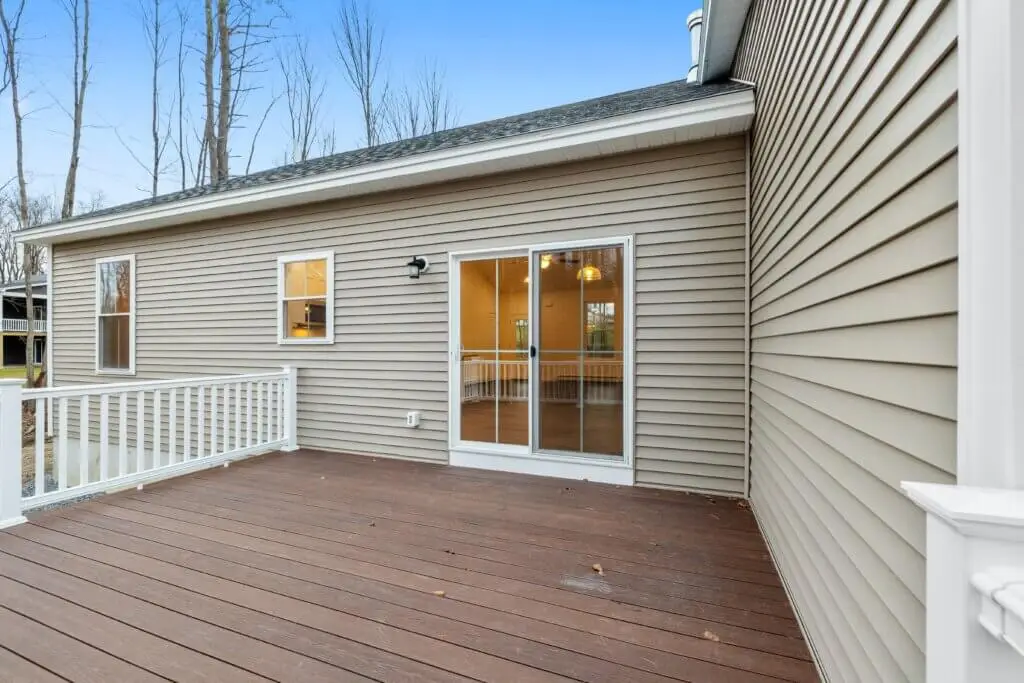
Vinyl siding is the most popular choice in the US for good reason. It’s affordable, low-maintenance, and comes in a huge variety of colors and styles. Modern vinyl can mimic the look of wood grain and is engineered to resist fading and cracking. Its main downside is that it can become brittle in extreme cold and may warp if exposed to intense, direct heat (like from a grill).
Wood Siding
Wood siding offers a classic, timeless beauty that is hard to match. Materials like cedar, pine, and redwood can be shaped into a variety of profiles, from traditional clapboard to rustic shakes. The main drawbacks are the high cost and significant maintenance requirements. Wood needs to be regularly painted or stained to prevent rot, pests, and sun damage.
Fiber Cement
Fiber cement, most famously known by the brand name HardiePlank, is an excellent all-around choice. Made from a mix of cement, sand, and cellulose fibers, it offers the look of wood with superior durability. It is resistant to rot, pests, fire, and holds paint exceptionally well. While more expensive than vinyl, it’s an investment that pays off in longevity and minimal maintenance.
Metal and Engineered Wood
Metal siding, typically steel or aluminum, is known for its extreme durability and modern aesthetic. It’s fire-resistant and impervious to rot and pests. However, it can be prone to denting and can be noisy in heavy rain. Engineered wood is another option, made from wood strands and resin. It offers the look of wood with enhanced durability and less maintenance.
Factors to Consider
Durability in US Climates
For a US home, you need siding that can handle everything from a freezing winter to a hot, humid summer. Fiber cement is one of the top performers in this regard, standing up to freeze-thaw cycles, high winds, and sun exposure without issue. Vinyl has also made significant strides in durability, but it’s crucial to choose a high-quality product to avoid issues.
Maintenance Requirements
If you’re a hands-on homeowner, wood siding might be a good fit. If you prefer to set it and forget it, vinyl and fiber cement are your best options. Both require only a simple annual washing with a garden hose to look their best.
Budget and Resale Value
Vinyl is the most budget-friendly option upfront. While it doesn’t add as much resale value as some higher-end materials, its cost-effectiveness and low maintenance are a big draw for many buyers. Fiber cement offers a great return on investment, providing the high-end look of wood with the durability that buyers want.
Our Recommendation by Scenario
Budget-Friendly Homes
For a homeowner who needs an affordable, low-maintenance solution that still looks great, vinyl siding is the clear winner. Its wide range of options and easy care make it a reliable choice.
Historic Properties
If you need to match a classic style or maintain historical authenticity, wood siding is the best material. While it requires a commitment to maintenance, its genuine beauty is unmatched and can preserve the original character of your home.
Energy-Efficient Remodels
When your primary goal is to improve your home’s energy efficiency, fiber cement siding with added rigid foam insulation underneath is a great combination. It provides superior thermal performance, durability, and a clean, high-end finish.
FAQs
Which siding lasts longest?
Fiber cement and metal siding are generally considered the longest-lasting options, often coming with 30- to 50-year warranties. Properly maintained wood siding can also last for many decades.
Which is most eco-friendly?
This can be a complex question. While vinyl is made from plastic, it has a long lifespan and is recyclable. Wood siding is a renewable resource, but its lifespan depends on regular maintenance. Fiber cement is a very durable, long-lasting material that reduces the need for frequent replacements, which can also be considered eco-friendly.
Still unsure which siding is the perfect fit for your home? Contact Greater Boston Contractors for a free, no-obligation consultation to discuss your specific needs.