Choosing the right siding is one of the most important decisions you’ll make for your home’s exterior. The choice between vinyl and wood isn’t just about aesthetics; it’s about long-term cost, maintenance, and durability. Let’s break down the key differences to help you make an informed decision.
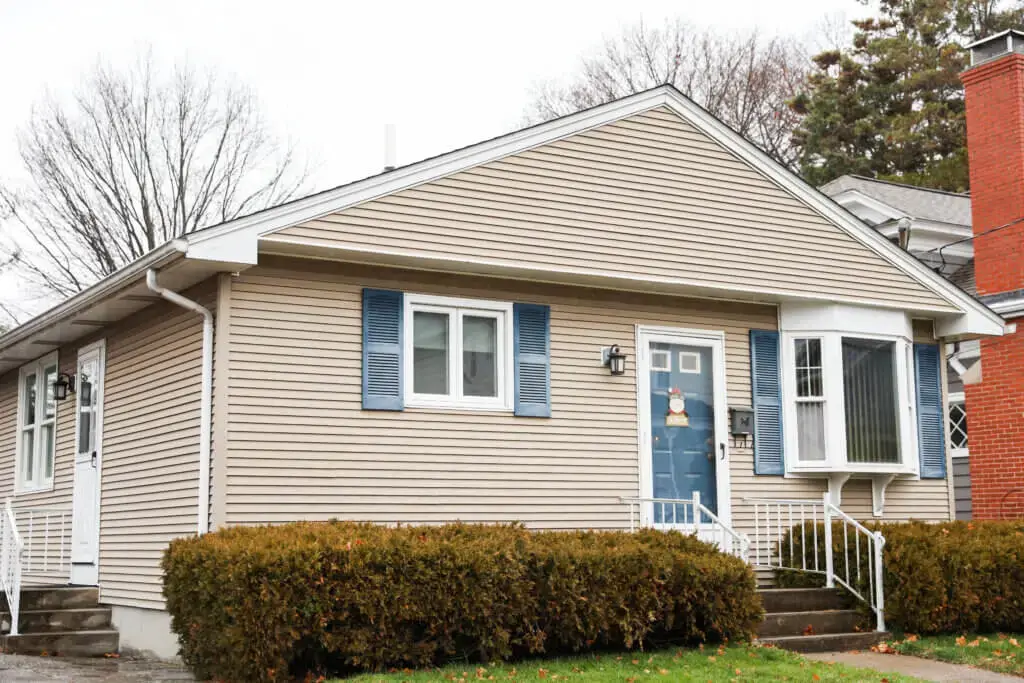
Appearance & Curb Appeal
The look of your home’s exterior makes the first and most lasting impression. Both vinyl and wood offer distinct visual styles, but with significant trade-offs in terms of flexibility and long-term appearance.
Profiles, Textures, and Historic Fit
Wood siding is the gold standard for authentic, classic curb appeal. It can be milled into countless profiles, from traditional clapboard to rustic shakes, and its natural grain provides a rich texture that is hard to replicate. For homes with historic significance or a high-end, classic aesthetic, wood is often the preferred choice.
Vinyl siding has come a long way in mimicking the look of wood. Modern vinyl comes in a wide range of profiles and textures, including styles that look like cedar shakes or beadboard. However, even the highest quality vinyl can sometimes have a manufactured appearance, and the way it joins panels can create visible seams.
Paintability and Color Stability
One of wood’s biggest advantages is its ability to be painted and repainted. This allows for endless customization and color changes over the home’s lifespan. However, it also requires a full repainting cycle every 5-10 years.
Vinyl siding is a “set-and-forget” material when it comes to color. The color is baked into the material, so it never needs painting. The downside is that you are limited to the manufacturer’s color options, and over time, dark colors in particular can fade due to sun exposure.
Durability & Maintenance
This is where the two materials differ most. Your choice will directly impact the time, effort, and cost of maintaining your home.
Rot, Pests, and Moisture
Wood siding, being an organic material, is susceptible to rot, moisture damage, and pests like termites and carpenter ants. It requires regular maintenance, including sealing and painting, to protect it from the elements.
Vinyl siding is impervious to rot, insects, and moisture. It is a synthetic material that provides excellent protection against the elements and requires minimal maintenance to keep it in good condition.
Cleaning and Repainting Cycles
Wood siding needs to be cleaned regularly to prevent mildew and must be repainted or re-stained on a consistent schedule.
Vinyl siding simply needs an occasional wash with a hose and a soft brush to remove dirt and grime. There is no need for painting, scraping, or sanding.
Cost & Installation Factors
When budgeting for your project, consider both the initial cost and the long-term value.
Upfront Price vs. Long-Term Value
Wood siding is almost always more expensive to purchase and install than vinyl siding. The material cost itself is higher, and the labor is more intensive and specialized.
Vinyl siding is a more affordable option upfront. While it may not last as long as a well-maintained wood siding, its low maintenance costs over its lifespan can make it a very attractive long-term value.
Insulated Vinyl and Energy Impacts
Many homeowners don’t know that modern vinyl siding can come with a layer of rigid foam insulation, which provides a higher R-value than standard siding. This can improve your home’s energy efficiency and lower your heating and cooling costs, a significant factor in a climate with extreme temperatures.
Climate Considerations
For homeowners, the local climate is a crucial factor. The Northeast presents unique challenges that heavily influence the best siding choice.
Freeze-Thaw, Salt Air, and UV Exposure
Vinyl siding is flexible and can handle the freeze-thaw cycles without cracking. High-quality vinyl is also engineered to resist the effects of UV radiation, preventing it from becoming brittle over time.
Wood siding is prone to expansion and contraction, which can cause paint to crack and chip during harsh winters. It also requires a strong finish to protect it from salty air near the coast and intense sun exposure.
Wind Ratings and Fastening
Both types of siding must be installed correctly to withstand high winds. However, vinyl siding is engineered with interlocking panels that can withstand winds of up to 110 mph or more if installed correctly.
FAQs
Which Adds More Resale Value?
Wood siding, especially on historic or custom homes, can add more curb appeal and resale value due to its authentic appearance. However, the value is contingent on it being in pristine, well-maintained condition. Vinyl siding is often seen as a benefit by home buyers because of its low-maintenance appeal, and its long lifespan can be a significant selling point.
Can Vinyl Mimic Cedar Well?
High-end vinyl siding products are now available with very realistic wood grain textures and fade-resistant colors that can fool many at a distance. However, up close, a trained eye can still tell the difference. While it looks great, it will never have the natural, organic feel of real wood.
Ready to choose the right siding for your home? Contact Greater Boston Contractors for a personalized consultation and a free estimate. We are experts in both vinyl and wood siding installation.