Insulating your garage door is a smart investment that goes beyond just comfort. It’s a key step in making your garage a more usable and energy-efficient space. A properly insulated door helps regulate temperature, reduce noise, and protect everything from tools to vehicles stored inside.
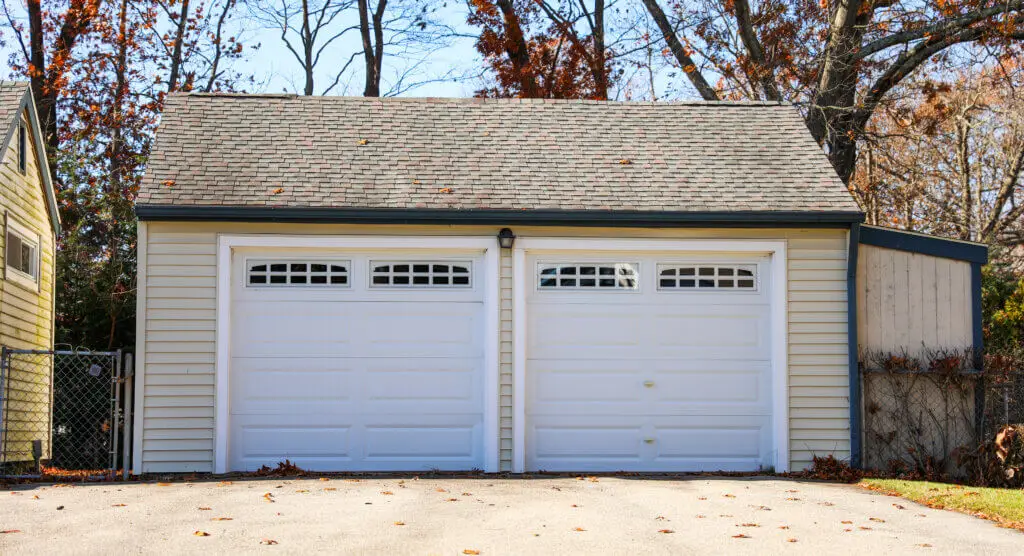
Why Insulate a Garage Door
Temperature Control and Noise
An uninsulated garage door is often the largest uninsulated surface on your home, acting like a heat sink in winter and a radiant heater in summer. Adding insulation can dramatically stabilize the temperature, making your garage more comfortable for a home gym, workshop, or simply a place to get in and out of your car without feeling an extreme temperature shock. In addition to temperature control, garage door insulation is an effective way to reduce noise transfer, both from outside sources like street traffic and from inside your garage.
Protecting Stored Items
Extreme temperature swings can be harmful to items stored in your garage. From paint cans to electronics and even a car’s battery life, a stable environment protects your belongings from the damaging effects of heat and cold.
Insulation Options
There are several types of insulation kits available, each with its own pros and cons.
Foam Board (XPS/EPS)
This is one of the most common and effective options. Extruded Polystyrene (XPS) and Expanded Polystyrene (EPS) foam boards come in rigid panels that can be cut to fit into the door’s framework. They offer a good R-value (a measure of thermal resistance), are lightweight, and are easy to install.
Reflective Foil Kits
These kits use a thin layer of reflective foil and often have a bubble-pack core. Their primary purpose is to reflect radiant heat, making them more effective in hot climates. While they have a lower R-value, they can be a simple, lightweight solution to keep summer heat out of the garage.
Fiberglass Batt Panels
Similar to attic insulation, fiberglass panels are a budget-friendly option. They are less rigid than foam boards and can be trickier to install neatly, but they provide a decent level of thermal resistance. However, they are more susceptible to moisture damage and can be difficult to handle without proper protective equipment.
R-Value, Weight, & Balance
When insulating your garage door, you need to consider more than just the material.
Spring Tension and Opener Load
Every garage door has a spring system—either torsion springs above the door or extension springs on the sides—that counterbalances the weight of the door. When you add insulation, you add weight. It’s crucial to adjust the spring tension to accommodate this new weight. If you don’t, the door opener will be under added stress, which can lead to motor failure and a voided warranty. A professional can easily re-balance the springs to ensure the door operates smoothly and safely.
Weatherstripping and Air Sealing
Insulating the door is only half the battle. Weatherstripping around the door’s perimeter and at the bottom seal are crucial for preventing drafts and air leaks. Without proper seals, the insulation will have a reduced effect, and you will still lose a significant amount of heat or cooling.
DIY vs. Professional Installation
Time, Tools, and Safety
DIY insulation kits are widely available and can be installed by a homeowner with basic tools. However, the process of re-balancing springs and ensuring proper sealing can be complex and dangerous if done incorrectly. A mis-adjusted spring can cause the door to slam shut, which is a serious safety hazard.
When to Replace the Door Entirely
If your garage door is old, in poor condition, or is a very thin, non-panel style, it might be more cost-effective in the long run to replace the entire door with a pre-insulated model. Modern insulated doors offer superior R-values and are built with a thermal break between the inner and outer panels, which prevents heat transfer far more effectively than an insulation kit.
FAQs
Will it Damage the Opener?
Improperly balanced springs will put undue stress on your opener’s motor and can cause it to fail prematurely. A professional re-balancing of the springs is essential to prevent damage.
How Much R-Value Is Enough?
For most climates, an R-value of at least R-12 is recommended to make a noticeable difference in temperature regulation. However, a higher R-value is always better, as it provides greater thermal resistance.
Looking to improve your garage’s energy efficiency? Contact Greater Boston Contractors today for a professional garage door insulation assessment and installation.