Remodeling an entire house is a significant undertaking that can dramatically transform your living space and increase your property’s value. However, one of the first questions homeowners ask is, “How much will it cost?” The answer is rarely simple, as whole-house remodels involve numerous variables. This guide breaks down the average costs, key influencing factors, and essential budgeting tips to help you navigate your ambitious renovation project.
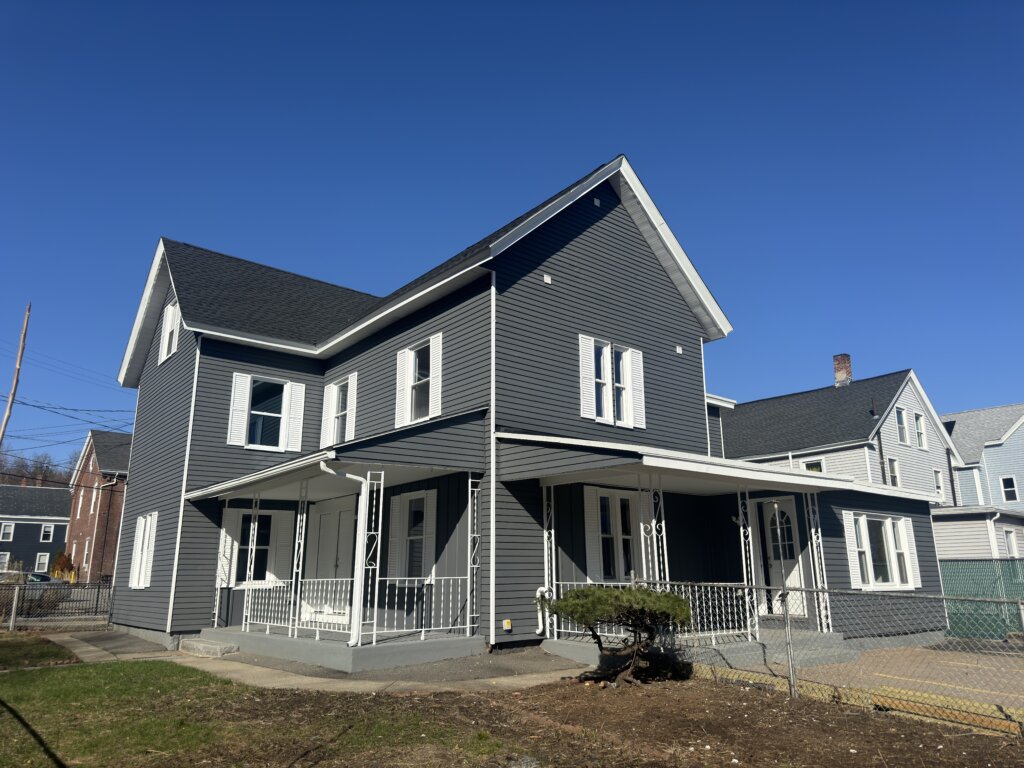
Average costs by home size
The total cost of a whole-house remodel is highly dependent on the scope of work, but the size of your home provides a basic starting point for cost estimation. These are general averages and can fluctuate based on location, material choices, and the extent of the changes.
- Small Homes (under 1,000 sq ft): A complete remodel could range from $50,000 to $150,000. These projects often involve updating all major systems, kitchens, and bathrooms, but on a smaller scale.
- Medium Homes (1,000 – 2,500 sq ft): Most whole-house remodels fall into this category, with costs typically ranging from $100,000 to $300,000. This allows for significant updates to multiple rooms, potentially reconfiguring layouts, and addressing structural or mechanical improvements.
- Large Homes (over 2,500 sq ft): For larger properties, costs can start at $250,000 and easily exceed $500,000, especially for high-end finishes, complex structural changes, or extensive additions.
These figures represent a broad spectrum from mid-range to upscale remodels. Keep in mind that a cosmetic refresh will be on the lower end, while a gut renovation with layout changes and high-end materials will be on the higher end.
Key factors that influence remodeling cost
The price tag for a whole-house remodel is shaped by several critical elements beyond just square footage.
- Scope of Work: This is the primary determinant.
- Cosmetic Update: (e.g., new paint, flooring, light fixtures, cabinet refacing). This is the least expensive type of remodel.
- Mid-Range Renovation: (e.g., replacing cabinets, countertops, redoing bathrooms, updating electrical/plumbing). This involves more significant changes.
- Major Renovation/Gut Remodel: (e.g., changing floor plans, moving walls, major structural work, redoing all systems, high-end finishes). This is the most expensive and time-consuming.
- Material and Finish Choices:
- Economy Grade: Basic, functional materials (e.g., laminate countertops, standard-grade carpet, builder-grade fixtures).
- Mid-Range: Good quality, durable materials with some aesthetic appeal (e.g., quartz countertops, hardwood/tile flooring, mid-range appliances).
- High-End/Luxury: Premium, custom, or designer materials (e.g., marble countertops, custom cabinetry, smart home technology, high-end appliances). Each step up in quality significantly increases costs.
- Labor Costs: This can account for 40-60% of your total budget. Rates vary by region and the expertise of the contractor and their team (carpenters, electricians, plumbers, etc.). Complex jobs require more specialized labor.
- Structural Changes: Moving load-bearing walls, adding an extension, or changing rooflines will drastically increase costs due to the need for engineering assessments, permits, and extensive framing.
- Mechanical Systems (HVAC, Plumbing, Electrical): Updating or replacing old, outdated systems is a significant expense but often necessary for safety, efficiency, and long-term value. Costs depend on the extent of the overhaul.
- Permits and Inspections: Required for most major remodels to ensure safety and compliance with local building codes. Permit fees vary but typically range from $500 to $2,000+, depending on the project’s complexity and local regulations.
- Location: Construction costs, including labor and materials, can vary widely from one region to another. Major metropolitan areas typically have higher remodeling costs than rural areas.
Room-by-room cost breakdown
Breaking down costs by individual rooms can help you prioritize and understand where your budget will likely be allocated. These are average ranges for a mid-range renovation of that specific room, not necessarily part of a whole-house gut.
- Kitchen Remodel: This is often the most expensive room. Costs can range from $20,000 to $75,000+. Factors include cabinetry (custom vs. stock), countertops (laminate vs. quartz/granite), appliances (standard vs. high-end), and layout changes.
- Bathroom Remodel: Typically ranges from $10,000 to $30,000+ per bathroom. This includes fixtures (toilet, sink, shower/tub), tiling, and vanity. A master bathroom with custom features will be on the higher end.
- Living Room/Dining Room: Often less expensive unless structural changes are made. Costs typically range from $5,000 to $25,000+ for new flooring, paint, lighting, and built-ins.
- Bedrooms: Similar to living/dining rooms, generally $3,000 to $15,000+ per room for cosmetic updates like paint, flooring, and closet improvements.
- Basement Finishing/Remodel: Can add significant living space. Costs range from $20,000 to $60,000+, depending on whether it’s a basic finish or includes a bathroom, kitchen, or multiple rooms.
- Exterior Renovation (part of a whole house): If included, costs can vary widely. New siding ($10,000 – $30,000+), new windows ($300 – $1,200+ per window), or a new roof ($5,000 – $20,000+) will add substantially to the total.
When planning a whole-house remodel, these individual room costs add up, often with some efficiencies gained by doing them all at once (e.g., plumbers/electricians working on multiple areas).
Hidden costs to watch out for
Even with careful planning, unexpected expenses can arise during a whole-house remodel. Being aware of these potential “hidden” costs can help you build a more realistic budget.
- Surprises Behind Walls: Once demolition begins, you might uncover unforeseen issues like outdated wiring (knob and tube), old plumbing (galvanized pipes), mold, asbestos, or structural damage (rot, termites). Addressing these issues is often mandatory for safety and code compliance.
- Permit Fees and Inspections: While mentioned as a factor, the full cost of permits and the time involved in inspections can sometimes be underestimated. Delays due to inspections can also add to labor costs.
- Temporary Living Expenses: If your whole house is being remodeled, you might need to find temporary housing. Factor in rent, utilities, food delivery, and storage unit costs if you need to move out.
- Design Fees: If you hire an architect or interior designer (highly recommended for whole-house remodels), their fees can range from 10-20% of the total project cost, depending on the scope of their involvement.
- Contingency Fund: Always allocate 10-20% of your total budget as a contingency fund for unexpected issues. This is the single most important tip for avoiding budget overruns.
- Cost of Change Orders: Making changes to the plan once construction has begun can be very expensive. Each change order typically involves additional labor, materials, and administrative fees.
- Cleanup and Debris Removal: While often included in a contractor’s bid, confirm this. Large remodels generate a lot of waste, and dumpster rental or hauling fees can be substantial.
- Landscaping Repair: If heavy equipment is used, or materials are stored in your yard, you might incur costs to repair damaged landscaping after the project is complete.
Budgeting tips and financing options
Effective budgeting and exploring financing options are crucial for a successful whole-house remodel.
Budgeting tips:
- Define Your Scope Clearly: Before getting estimates, have a clear vision of what you want to achieve. The more detailed your plan, the more accurate the quotes will be.
- Prioritize: Decide which areas are absolute must-haves and where you can compromise if the budget gets tight.
- Get Detailed Quotes: As mentioned, get multiple written estimates that break down costs item by item.
- Build in a Contingency: Do not skip the 10-20% contingency fund. It’s not “extra” money; it’s essential for unknowns.
- Track Everything: Use a spreadsheet or budgeting app to meticulously track all expenses against your budget.
- Avoid Scope Creep: Stick to your plan. Resist the urge to add on “just one more thing” once the project is underway, as these small additions quickly inflate the budget.
- Consider Phased Renovations: If a full gut remodel is too expensive now, consider tackling it in phases over several years.
Financing options:
- Home Equity Line of Credit (HELOC): Uses your home as collateral, offering a revolving credit line. Interest rates are variable.
- Home Equity Loan: A lump sum loan based on your home’s equity, with a fixed interest rate.
- Cash-Out Refinance: Refinance your current mortgage for more than you owe, taking the difference in cash. This means a new mortgage term and interest rate.
- FHA 203(k) Loan: A government-backed loan specifically for homes that need rehabilitation. It allows you to borrow money for both the purchase price and the renovation costs.
- Personal Loan: Unsecured loan (no collateral). Higher interest rates than home equity options, but easier to qualify for smaller amounts and no lien on your home.
- Savings: Using cash savings is always the most cost-effective option as it avoids interest payments.
Consult with a financial advisor to determine the best financing strategy for your situation.
Hiring the right contractor
For a project as extensive as a whole-house remodel, selecting the right contractor is paramount to staying on budget, on schedule, and achieving your vision.
- Do Your Research: Look for contractors specializing in whole-house remodels, not just small repairs. Check their online reviews (Google, Yelp, Houzz) and their Better Business Bureau rating.
- Verify Licensing and Insurance: Ensure the contractor is properly licensed in your state and carries general liability insurance and workers’ compensation insurance. Request proof and verify it. This protects you from financial responsibility in case of accidents or damage.
- Check References: Ask for a list of recent clients and contact them. Ask about the contractor’s communication, adherence to budget and timeline, quality of work, and how they handled challenges.
- Review Their Portfolio: Look at examples of their past whole-house remodels. Do their previous projects align with your desired aesthetic and quality level?
- Get Detailed Bids (as discussed above): Ensure the bids are comprehensive, clear, and easy to compare.
- Understand the Contract: Read the contract thoroughly. It should include the scope of work, payment schedule, timeline, change order process, warranty information, and dispute resolution. Don’t sign anything you don’t fully understand.
- Communication is Key: Choose a contractor with whom you feel comfortable communicating openly and honestly. Regular communication is vital for a smooth project.
- Trust Your Gut: After meeting with several candidates, choose the contractor you feel most confident in and who demonstrates professionalism, experience, and a good rapport.
Hiring Greater Boston Contractors means partnering with experienced professionals dedicated to transforming your vision into a reality, ensuring your whole-house remodel is handled with expertise and care.