Embarking on a construction or renovation project can be complex, often involving multiple contracts and points of contact. The design-build delivery method simplifies this process by integrating design and construction services under a single contract, offering a streamlined and efficient approach to building solutions.
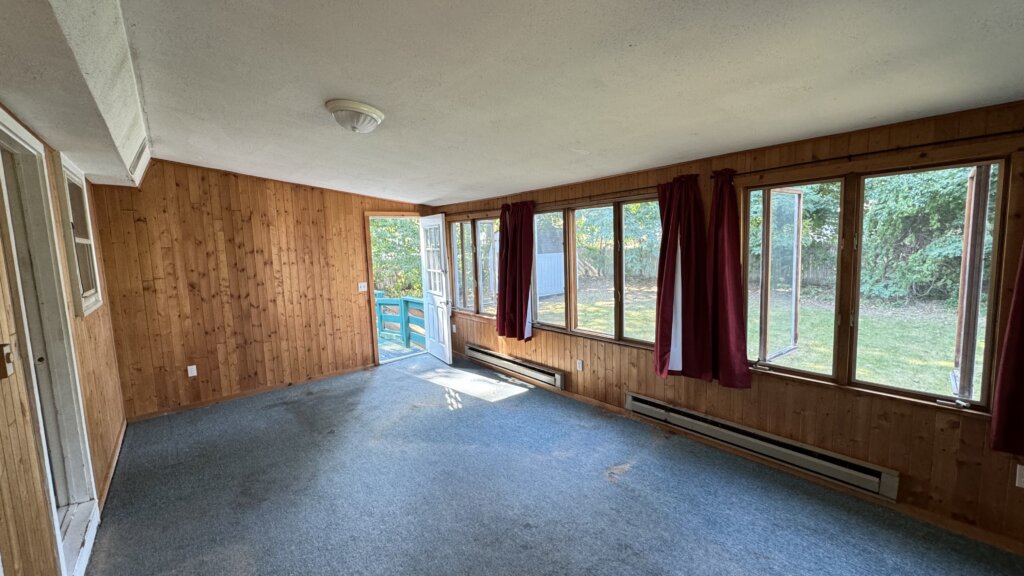
What is design-build & how it works?
- Definition: Design-build is a project delivery system where a single entity (the design-build contractor) is responsible for both the design and construction of your project. Instead of hiring an architect and a builder separately, you hire one team that handles everything from concept to completion.
- How it Works:
- Initial Consultation: You meet with the design-build firm to discuss your vision, needs, budget, and timeline.
- Design Phase: The firm’s in-house designers or partnered architects develop initial concepts, refine plans based on your feedback, and produce detailed architectural and engineering drawings.
- Pre-Construction & Pricing: As the design progresses, the construction team provides continuous cost estimates, value engineering suggestions, and constructability reviews. This ensures the design stays within budget.
- Construction Phase: Once the design is finalized and approved, the firm manages all aspects of construction, including permitting, scheduling, hiring subcontractors, procurement, and quality control.
- Project Completion: The finished project is delivered, ready for use.
Design-build vs design-bid-build
- Design-Build:
- Single Point of Contact: One contract, one team responsible for everything.
- Integrated Process: Design and construction teams collaborate from the outset, sharing insights and identifying potential issues early.
- Concurrent Phases: Construction planning can begin even as design elements are being finalized, potentially speeding up the project.
- Design-Bid-Build (Traditional Method):
- Separate Contracts: You hire an architect for design, then bid out the construction to separate contractors.
- Linear Process: Design must be fully completed before bidding can begin. Construction starts only after a contractor is selected.
- Potential for Conflict: If a contractor finds issues with the design, or if costs exceed budget during bidding, revisions are needed, causing delays and potential finger-pointing between designer and builder.
Benefits: efficiency, unified communication, faster delivery
- Enhanced Efficiency: The integrated nature of design-build reduces redundancies and streamlines workflows. Decisions are made faster with direct collaboration.
- Unified Communication: With one team, communication is simpler and more consistent. There’s no back-and-forth between separate design and construction firms.
- Faster Project Delivery: Overlapping design and construction phases, coupled with efficient decision-making, often leads to shorter project timelines and earlier occupancy.
- Cost Control & Predictability: Early contractor involvement in the design phase allows for continuous cost estimating and value engineering, leading to more predictable budgets and fewer unexpected expenses.
- Reduced Risk for Owner: The design-build firm takes on the single-point responsibility for both design and construction risks.
- Improved Quality: Closer collaboration between designers and builders can lead to more innovative solutions and higher-quality outcomes.
Who leads: contractor-led vs architect-led
While both models offer the single-contract advantage, the leadership can vary:
- Contractor-Led Design-Build: The general contractor is the primary contract holder and has in-house design capabilities or partnerships with architects/designers. This model is common for many residential and commercial projects where constructability and budget management are key drivers from the start.
- Architect-Led Design-Build: The architectural firm is the primary contract holder and has in-house construction capabilities or partnerships with builders. This is often preferred for highly complex, aesthetically driven projects where design innovation is paramount.
Ideal projects for design-build approach
The design-build model is well-suited for a wide range of projects, particularly in a dynamic market like Boston:
- Home Renovations & Additions: Kitchens, bathrooms, basements, and home additions benefit from integrated planning and execution.
- Custom Homes: For homeowners who want a single point of responsibility for their dream home.
- Commercial Tenant Improvements: Efficient delivery is crucial for businesses.
- Complex Projects: Where close coordination between design and construction is essential to manage intricate details or unique challenges.
- Projects with Tight Timelines/Budgets: The efficiency and cost predictability of design-build are highly advantageous.
What to ask your design-build contractor?
When considering a design-build firm for your project in Greater Boston:
- Can you provide examples of similar design-build projects you’ve completed?
- Who will be my primary point of contact for both design and construction?
- How do you handle budget management and value engineering throughout the design phase?
- What is your process for client feedback and design revisions?
- How do you ensure clear communication between the design and construction teams?
- What is your approach to project scheduling and meeting deadlines?
- How do you handle permits, inspections, and adherence to Boston building codes?
Greater Boston Contractors is a leading design-build firm in the region. We offer a seamless, integrated approach to construction and renovation, managing every aspect of your project from initial concept to final delivery. Our experienced team ensures clear communication, efficient execution, and a result that perfectly matches your vision and budget.