The primary difference lies in the installation method and moisture management. Siding typically refers to materials applied directly to the home’s sheathing, while cladding—specifically in a “rainscreen” application—involves an intentional air gap that allows the house to “breathe” and drain moisture more effectively.
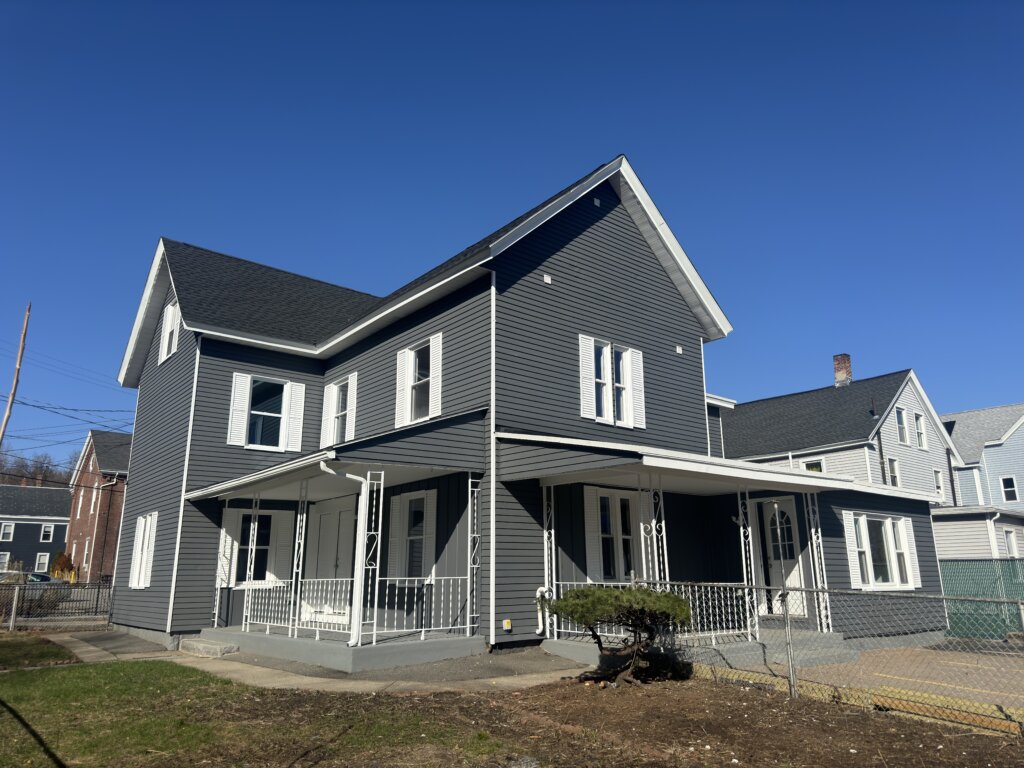
Cladding vs. Siding at a Glance
Quick definition of siding
Siding is the traditional “skin” of the house. It consists of overlapping or interlocking boards (like vinyl, wood, or fiber cement) attached directly to the exterior walls. It is designed to shed water down its surface.
Quick definition of cladding
Cladding is a broader architectural term. In modern residential construction, it often refers to a multi-layer system where the finish material is separated from the house wrap by a “rainscreen” or furring strips. This creates a dedicated path for water to exit and air to circulate.
What Is Cladding?
The Ventilated Rainscreen Concept
Modern cladding is a “Masterpiece” of moisture control. By creating a 3/8″ to 3/4″ air gap behind the facade, any water that bypasses the outer layer can simply drip down and exit through weep holes at the bottom.
Moisture Management and Air Gap Benefits
This system prevents “solar-driven moisture,” where the sun’s heat pushes dampness from the exterior material into your home’s wooden frame. Cladding ensures that the back of the material stays as dry as the front, drastically reducing the risk of rot and mold.
Main Differences Between Cladding and Siding
| Feature | Siding (Traditional) | Cladding (Rainscreen System) |
| Installation | Attached directly to sheathing. | Attached to furring strips (air gap). |
| Drainage | Relies on surface shedding. | Active drainage and ventilation. |
| Durability | High, but susceptible to trapped moisture. | Exceptional; prevents “back-side” rot. |
| Cost | More budget-friendly. | Higher initial investment in labor. |
| Design | Classic horizontal/vertical looks. | Highly flexible; supports modern panels. |
Which One Is Better for New England Homes?
In the moisture-heavy climate of the Northeast, cladding systems are becoming the specialist-recommended standard. With our heavy snow, driving rain, and humid summers, traditional siding can sometimes trap moisture against the home’s structure. A rainscreen-based cladding system—whether using wood, fiber cement, or stone—provides a “fail-safe” that protects your home’s structural integrity for decades.
Is Cladding More Expensive Than Siding?
Yes, initially. Because cladding requires an additional layer of labor (installing furring strips and specialized flashing) and often uses premium materials, the upfront cost is higher. However, the long-term performance value is superior. By preventing the premature failure of the paint, finish, and the wooden sheathing underneath, a cladding system often pays for itself by extending the lifespan of the exterior by 30% or more.
FAQs
Is cladding the same as siding?
In common usage, yes. In technical construction, cladding refers to the entire system (including the air gap), while siding usually refers to the specific material used for the finish.
Which lasts longer, cladding or siding?
Cladding generally lasts longer because the ventilation prevents moisture from being trapped behind the boards, which is the leading cause of material failure.
Is fiber cement siding considered cladding?
It can be either. If it is nailed directly to the wall, it is siding. If it is installed over a rainscreen system with an air gap, it is a cladding system.
Elevate Your Home with Greater Boston Contractors
At Greater Boston Contractors, we don’t just “nail boards to a wall.” We engineer “Masterpiece” exterior systems that balance architectural beauty with advanced building science. Our team specializes in high-performance cladding and siding installations that protect your investment against the New England elements. Whether you are looking for a classic cedar look or a modern ventilated facade, we bring specialist-level craftsmanship to every project.
- Advanced Moisture Protection: We prioritize rainscreen technology for maximum durability.
- Specialist-Grade Materials: Only the highest-performing fiber cements and woods.
- Massachusetts Weather Expertise: Designed to withstand everything from Nor’easters to summer humidity.
Is your home’s exterior ready for an upgrade that lasts? Contact Greater Boston Contractors today for a professional consultation and discover the best cladding or siding solution for your property!